The 100th volume of the prestigious New Naturalist series, written by one of Britain's best-known naturalists, explores the significance and history of woodlands on the British landscape'Trees are wildlife just as deer or primroses are wildlife.
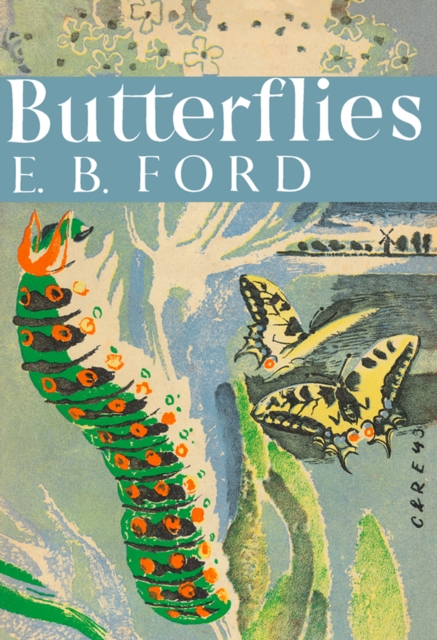
A scientific study that keeps in mind the needs of butterfly collectors and of all those who love the country in the hope that it may increase their pleasure by widening the scope of their interests.
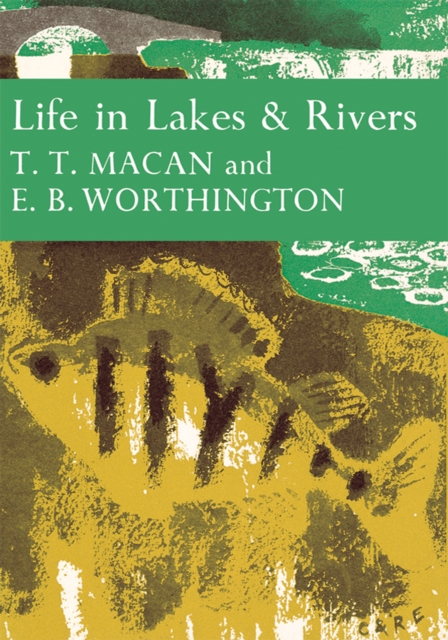
Life in Lakes and Rivers reveals to us not only the fascination of the world of fresh waters, but the excitement and delight of finding out more about it.
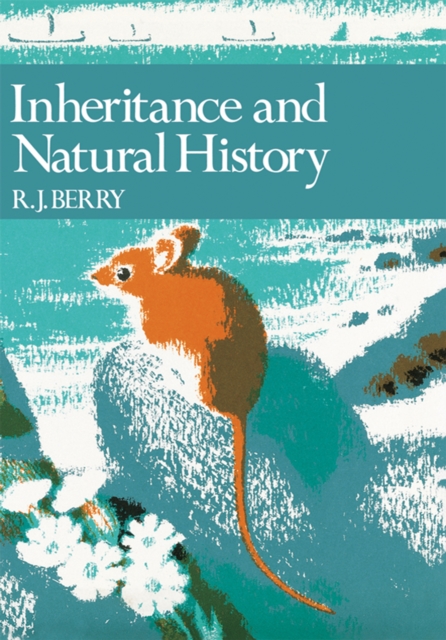
Ever wondered why primroses have three sorts of flowers; or about pesticide resistance in rats and mice, mosquitoes and green-fly; antibiotic resistance in disease organisms - all are examples of genetical adjustment, explained in this book.
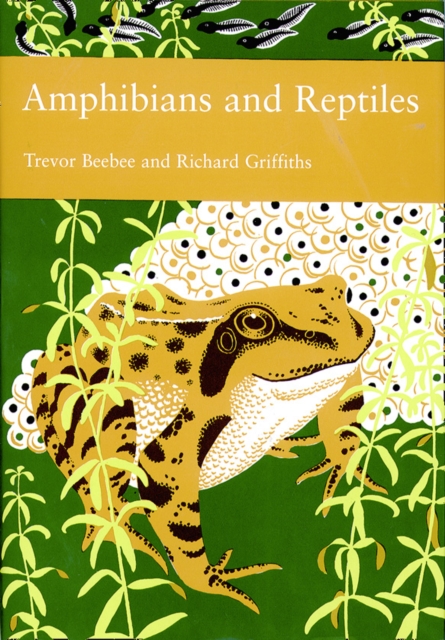
Building on the solid foundations established by the two earlier New Naturalist volumes on this subject, eminent herpetologists Trevor Beebee and Richard Griffiths have brought together a wealth of new and fascinating information on the British amphibians and reptiles.
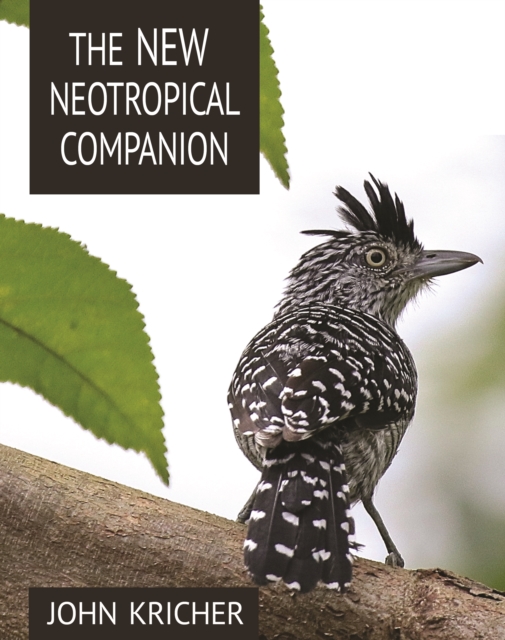
The acclaimed guide to the ecology and natural history of the American tropics-now fully updated and expandedThe New Neotropical Companion is the completely revised and expanded edition of a book that has helped thousands of people to understand the complex ecology and natural history of the most species-rich area on Earth, the American tropics.
'Kimmerer blends, with deep attentiveness and musicality, science and personal insights to tell the overlooked story of the planet's oldest plants' Guardian'Bewitching .
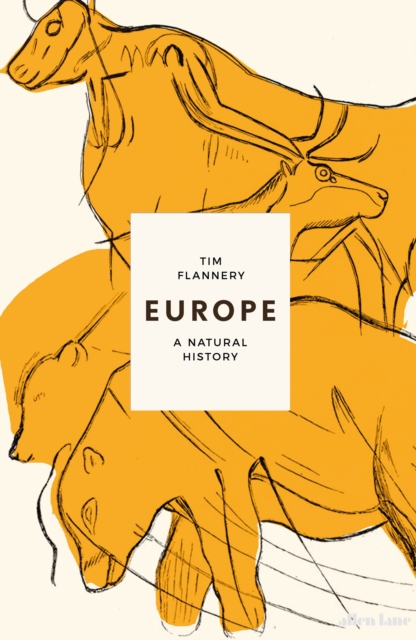
A place of exceptional diversity, rapid change, and high energy, Europe has literally been at the crossroads of the world ever since the interaction of Asia, North America and Africa formed the tropical island archipelago that would become the continent of today.
Biogeochemistry-winner of a 2014 Textbook Excellence Award (Texty) from the Text and Academic Authors Association-considers how the basic chemical conditions of the Earth, from atmosphere to soil to seawater, have been and are being affected by the existence of life.
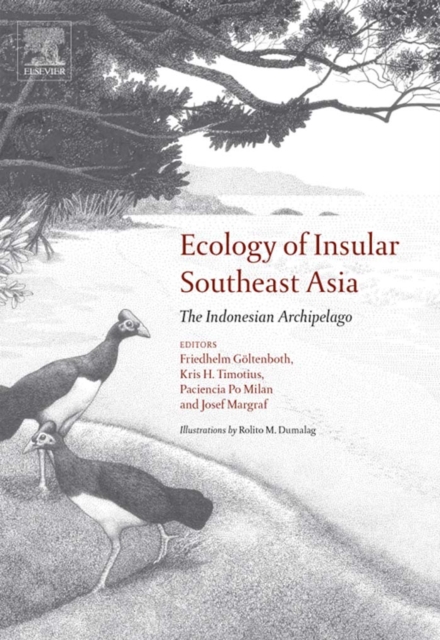
The textbook entitled Tropical Ecology of Southeast Asia - The Indonesian Archipelago unfolds in its 5 major chapters with 20 subchapters on more than 500 pages, with more than 300 figures, the basic principles of ecology with examples mainly coming from the Indonesian Archipelago.
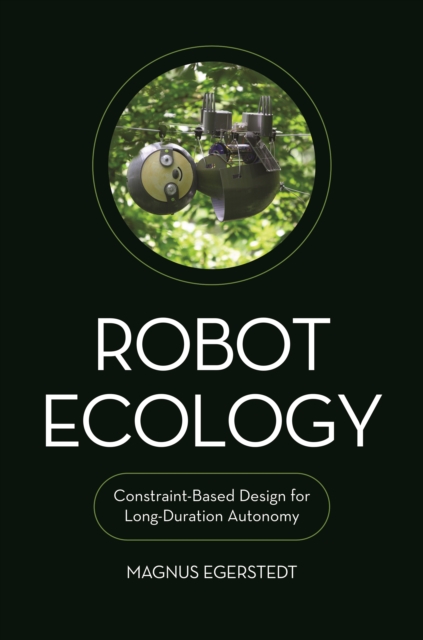
A revolutionary new framework that draws on insights from ecology for the design and analysis of long-duration robotsRobots are increasingly leaving the confines of laboratories, warehouses, and manufacturing facilities, venturing into agriculture and other settings where they must operate in uncertain conditions over long timescales.
A major new theory of why human intelligence has not evolved in other speciesThe Human Evolutionary Transition offers a unified view of the evolution of intelligence, presenting a bold and provocative new account of how animals and humans have followed two powerful yet very different evolutionary paths to intelligence.
Why our cats are a danger to species diversity and human healthIn 1894, a lighthouse keeper named David Lyall arrived on Stephens Island off New Zealand with a cat named Tibbles.
A look at the extraordinary ways the brain turns thoughts into actions-and how this shapes our everyday livesWhy is it hard to text and drive at the same time?
Songs, barks, roars, hoots, squeals, and growls: exploring the mysteries of how animals communicate by soundWhat is the meaning of a bird's song, a baboon's bark, an owl's hoot, or a dolphin's clicks?
Landscape Evolution in the United States is an accessible text that balances interdisciplinary theory and application within the physical geography, geology, geomorphology, and climatology of the United States.
Biogeochemistry-winner of a 2014 Textbook Excellence Award (Texty) from the Text and Academic Authors Association-considers how the basic chemical conditions of the Earth, from atmosphere to soil to seawater, have been and are being affected by the existence of life.
An essential guide to sustainable development for students and practitionersSustainability is a global imperative and a scientific challenge like no other.
A derivative of the Encyclopedia of Inland Waters, River Ecosystem Ecology reviews the function of rivers and streams as ecosystems as well as the varied activities and interactions that occur among their abiotic and biotic components.
A derivative of the Encyclopedia of Inland Waters, Biogeochemistry of Inland Waters examines the transformation, flux and cycling of chemical compounds in aquatic and terrestrial ecosystems, combining aspects of biology, ecology, geology, and chemistry.
A derivative of the Encyclopedia of Inland Waters, Plankton of Inland Waters covers protists, bacteria, fungi, algae, and zooplankton as well as the functional and system interactions of planktonic and attached forms in aquatic ecosystems.
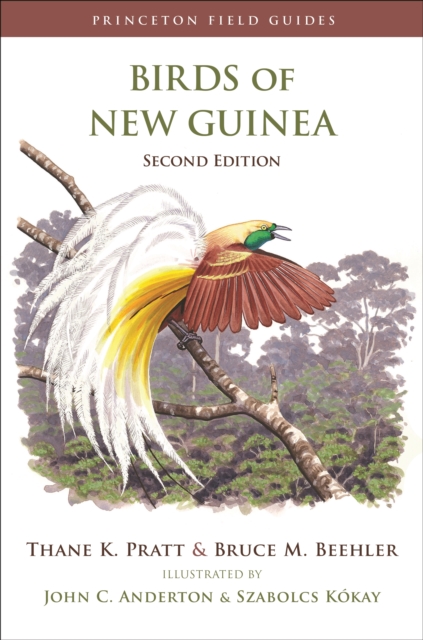
The definitive field guide to the marvelous birds of New GuineaThis is the completely revised edition of the essential field guide to the birds of New Guinea.
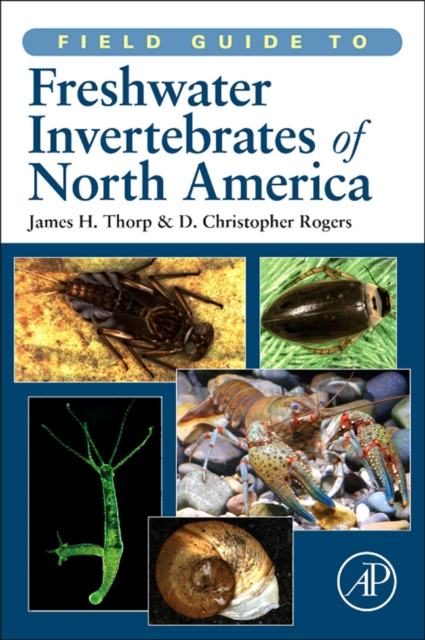
The Field Guide to Freshwater Invertebrates of North America focuses on freshwater invertebrates that can be identified using at most an inexpensive magnifying glass.
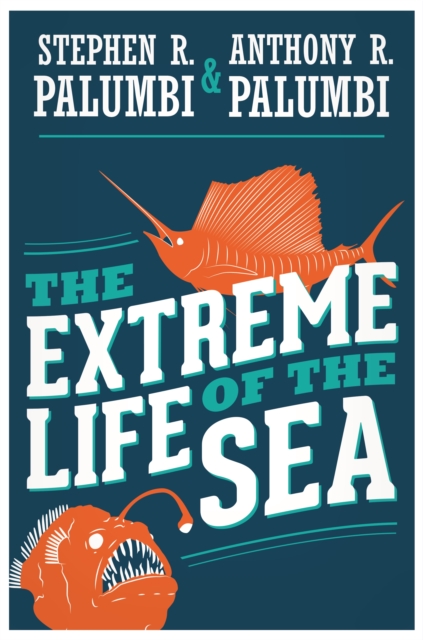
A thrilling tour of the sea's most extreme species, written by one of the world's leading marine scientistsThe ocean teems with life that thrives under difficult situations in unusual environments.
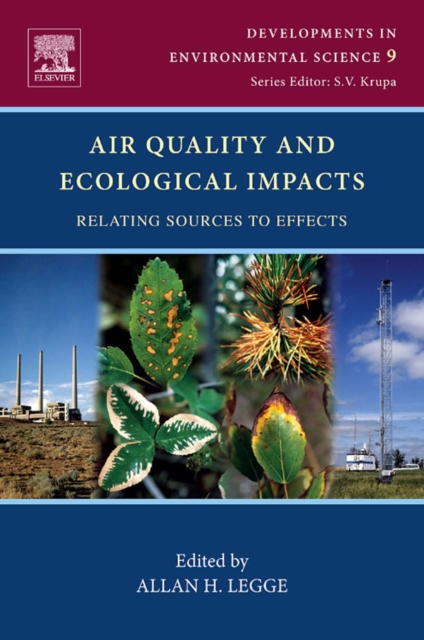
Air Quality and Ecological Impacts reviews the characterization of air quality as it pertains to specific emission sources and their environmental effect.