Ecophysiology of Pesticides: Interface between Pesticide Chemistry and Plant Physiology is the first comprehensive overview of the physical impact of this increasingly complex environmental challenge.
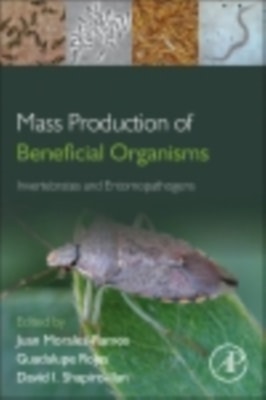
Mass Production of Beneficial Organisms: Invertebrates and Entomopathogens is an essential reference and teaching tool for researchers in developed and developing countries working to produce "e;natural enemies"e; in biological control and integrated pest management programs.
Advances in Marine Biology has been providing in-depth and up-to-date reviews on all aspects of marine biology since 1963 -- over 40 years of outstanding coverage!
Advances in Marine Biology has been providing in-depth and up-to-date reviews on all aspects of Marine Biology since 1963 -- over 40 years of outstanding coverage!
Marine Paleobiodiversity presents a concise history, development and current status of paleobiodiversity research, thus forming a reference work for beginners, graduates and postgraduates, who are interested in this subject and intend venture into serious research.
Environmental toxicology is generally held to be the study of the potential of constituents of outdoor environments to impact either human health or the biological structure of the ecosystems involved.
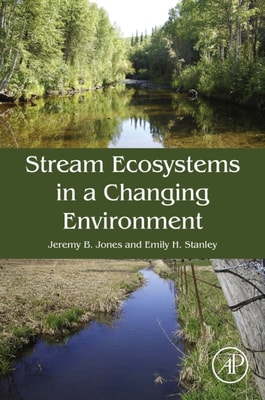
Stream Ecosystems in a Changing Environment synthesizes the current understanding of stream ecosystem ecology, emphasizing nutrient cycling and carbon dynamics, and providing a forward-looking perspective regarding the response of stream ecosystems to environmental change.
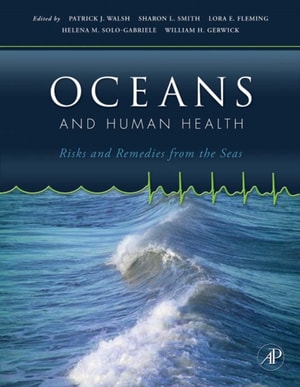
Oceans and Human Health highlights an unprecedented collaboration of environmental scientists, ecologists and physicians working together on this important new discipline, to the benefit of human health and ocean environmental integrity alike.
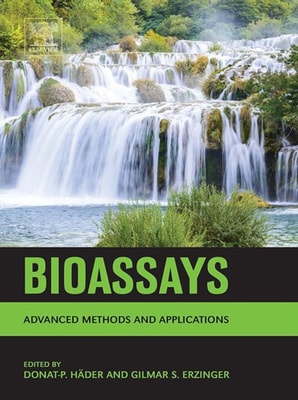
Bioassays: Advanced Methods and Applications provides a thorough understanding of the applications of bioassays in monitoring toxicity in aquatic ecosystems.
Advances in Agronomy, Volume 164, the latest release in this leading reference on agronomy, contains a variety of updates and highlights new advances in the field.
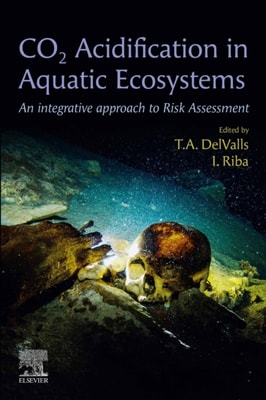
CO2 Acidification in Aquatic Ecosystems: An Integrative Approach to Risk Assessment focuses on the characterization of different aspects of ecosystem science to describe the situation of CO2 acidification in aquatic ecosystems.
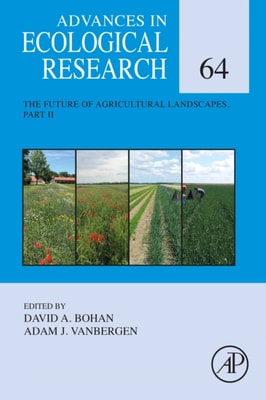
Advances in Ecological Research, Part Two, Volume 64, the latest release in this ongoing series, includes specific chapters on Tropical Ecosystems in the 21st Century.
Climate Change Biology, 2e examines the evolving discipline of human-induced climate change and the resulting shifts in the distributions of species and the timing of biological events.
The book is based on data collected during the past 10 years by Zackenberg Ecological Research Operations (ZERO) at Zackenberg Research Station in northeast Greenland.
A New Ecology presents an ecosystem theory based on the following ecosystem properties: physical openness, ontic openness, directionality, connectivity, a complex dynamic for growth and development, and a complex dynamic response to disturbances.
This widely anticipated revision of the groundbreaking book, Ecological Understanding, updates this crucial sourcebook of contemporary philosophical insights for practicing ecologists and graduate students in ecology and environmental studies.
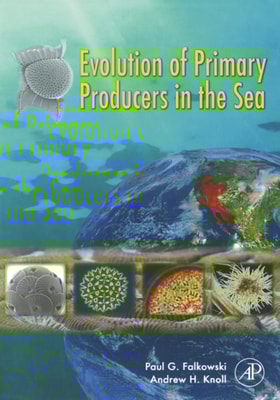
Evolution of Primary Producers in the Sea reference examines how photosynthesis evolved on Earth and how phytoplankton evolved through time - ultimately to permit the evolution of complex life, including human beings.
Methods in Stream Ecology provides a complete series of field and laboratory protocols in stream ecology that are ideal for teaching or conducting research.
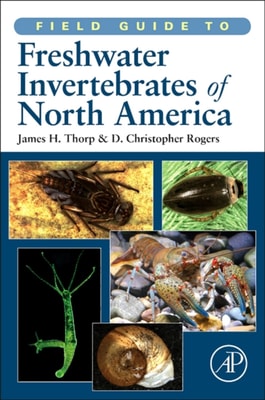
The Field Guide to Freshwater Invertebrates of North America focuses on freshwater invertebrates that can be identified using at most an inexpensive magnifying glass.
How Plants Communicate with Their Biotic Environment addresses how plants perceive the presence of organisms (other plants, microbes, insects and nematodes) living in their proximity, how they manage to be attractive when these organisms are friendly, and how they defend themselves from foes.
Sperm Biology represents the first analysis of the evolutionary significance of sperm phenotypes and derived sperm traits and the possible selection pressures responsible for sperm-egg coevolution.
Phytomanagement of Polluted Sites: Market Opportunities in Sustainable Phytoremediation brings together recent and established knowledge on different aspects of phytoremediation, providing this information in a single source that offers a cutting-edge synthesis of scientific and experiential knowledge on industrially contaminated site restoration that is useful for both practitioners and scientists.
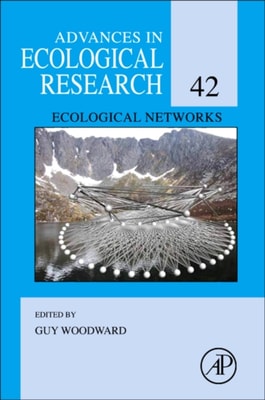
This thematic volume represents an important and exciting benchmark in the study of food webs and other ecological networks, synthesizing and showcasing current research and highlighting future directions for the development of the field.
In our changing world, society demands more comprehensive and thoughtful solutions from environmental engineers, environmental consultants and scientists dealing with the degradation of our environment.
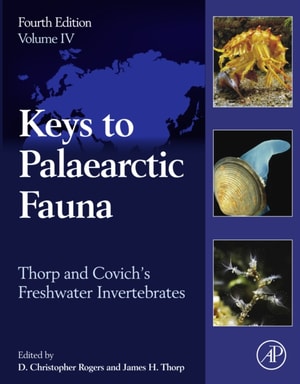
Thorp and Covich's Freshwater Invertebrates: Keys to Palaearctic Fauna, Fourth Edition, is part of a multivolume series covering inland water invertebrates of the world that began with Vol.
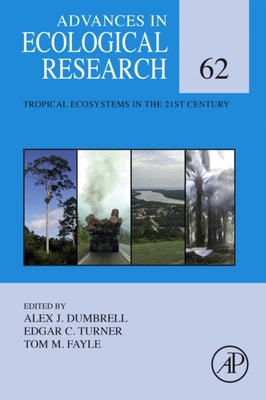
Advances in Ecological Research, Volume 62, the latest release in this ongoing series, covers a long list of topics, including Monitoring tropical insects in the 21st Century, The distribution and structure of long-term and large-scale fire manipulation experiments, The Agua Salud Project: Basic and applied research informing management of tropical landscapes for the 21st century, Conservation strategies and principles for tropical forests, Assessing forest quality using satellite remote sensing data: A test case using the Sabah Biodiversity Experiment, eDNA approaches to understand the current state and future of biodiversity of the Amazonian biome: pitfalls, improvements and challenges, and much more.
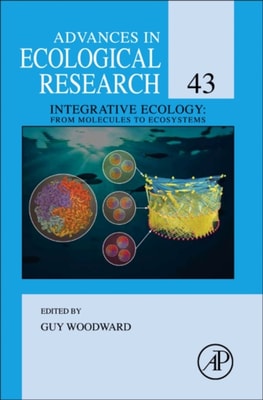
This thematic volume represents an important and exciting benchmark in the study of integrative ecology, synthesizing and showcasing current research and highlighting future directions for the development of the field.
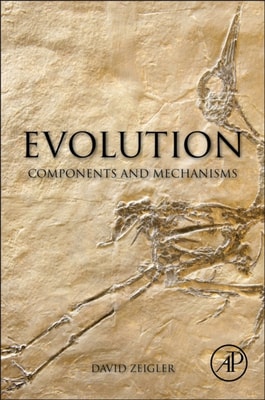
Evolution: Components and Mechanisms introduces the many recent discoveries and insights that have added to the discipline of organic evolution, and combines them with the key topics needed to gain a fundamental understanding of the mechanisms of evolution.