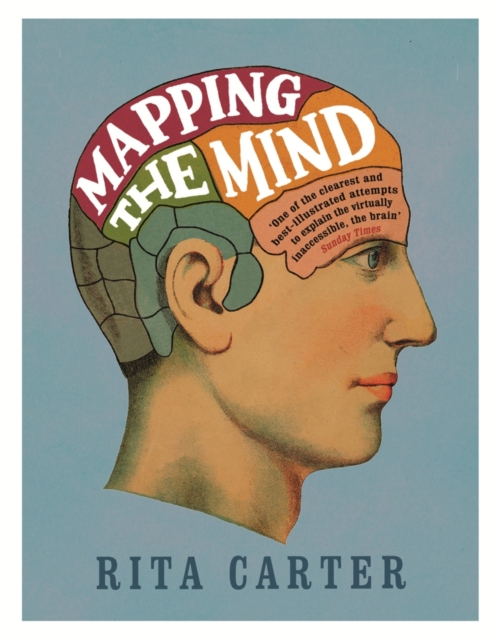
'One of the clearest and best-illustrated attempts to explain the virtually inaccessible, the brain' SUNDAY TIMESBrain scans reveal our thoughts, memories - even our moods - as clearly as an X-ray reveals our bones.
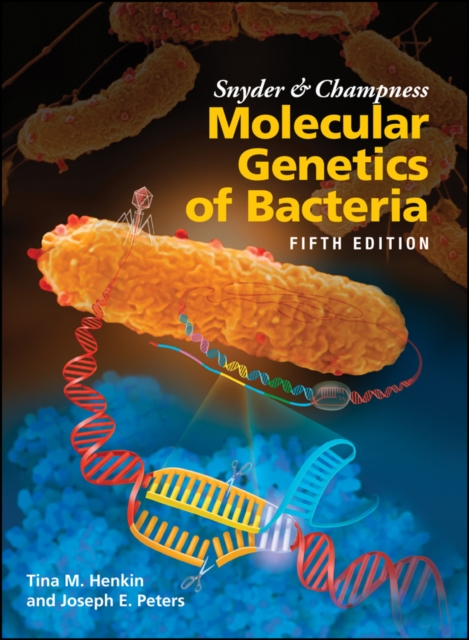
The single most comprehensive and authoritative textbook on bacterial molecular genetics Snyder & Champness Molecular Genetics of Bacteria is a new edition of a classic text, updated to address the massive advances in the eld of bacterial molecular genetics and retitled as homage to the founding authors.
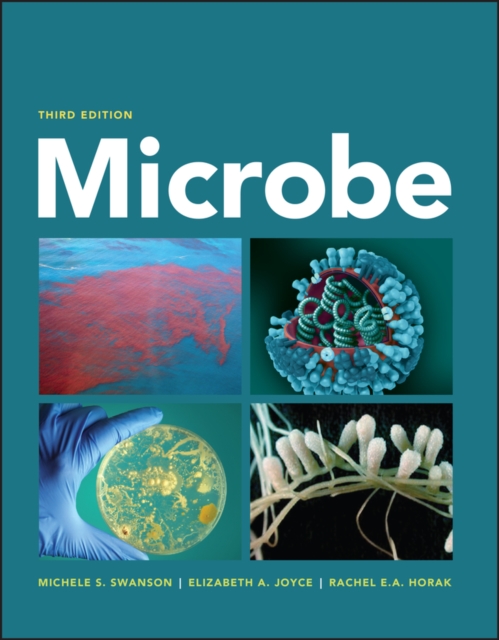
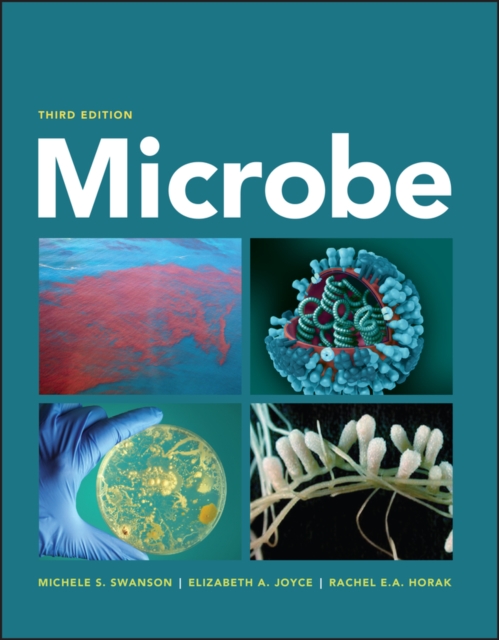
Microbe Microbe THIRD EDITION Brings the excitement, breadth, and power of the modern microbial sciences to the next generation of students and scientists.
Microbe Microbe THIRD EDITION Brings the excitement, breadth, and power of the modern microbial sciences to the next generation of students and scientists.
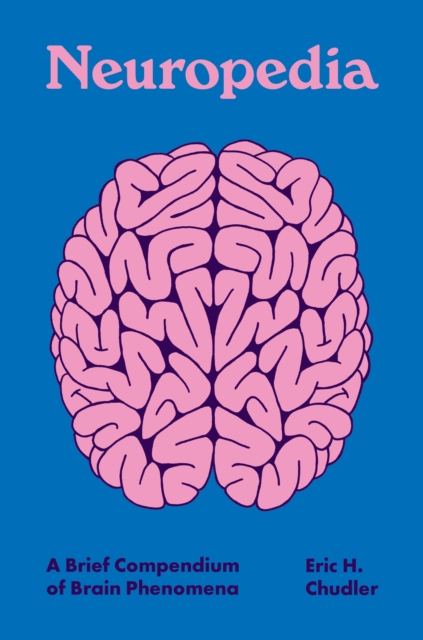
A fun and fact-filled AZ treasury for anyone with a head on their shouldersNeuropedia journeys into the mysteries and marvels of the three pounds of tissue between your earsthe brain.
Explains the synergistic process of communicating with a Plant and how the Plants help us overcome anxiety, grief, fears, and limiting beliefs and teach us to trust, forgive, and embrace self-love Shares teachings from a variety of Plants such as Yarrow, Mugwort, Maple, Dandelion, Poison Ivy, and Japanese Hops Presents step-by-step activities and practices that allow you to actualize each Plants teaching in an immediate wayEveryone has the ability to consciously communicate with Plants.
The single most comprehensive and authoritative textbook on bacterial molecular genetics Snyder & Champness Molecular Genetics of Bacteria is a new edition of a classic text, updated to address the massive advances in the eld of bacterial molecular genetics and retitled as homage to the founding authors.
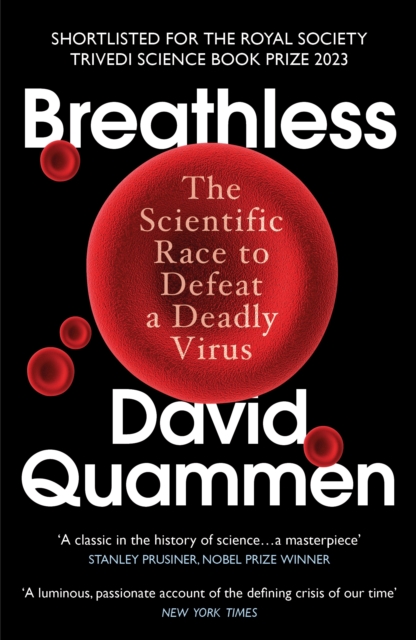
**A NEW YORK TIMES BOOK OF THE YEAR 2022 and FINANCIAL TIMES BEST BOOK OF 2023***Shortlisted for the Royal Society Trivedi Science Book Prize 2023*From the author of Spillover, the book that predicted the pandemic, Breathless is the story of Covid-19 and its fierce journey through the human population, as seen by the scientists tasked with fighting it.
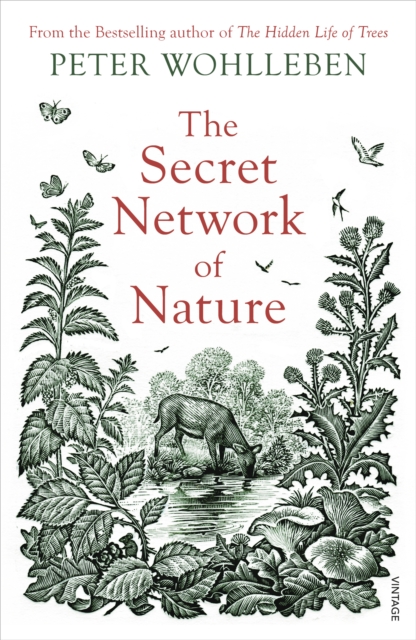
An exploration of the invisible connections sustaining the entire natural world from the bestselling author of The Hidden Life of TreesDid you know that trees can influence the rotation of the earth?
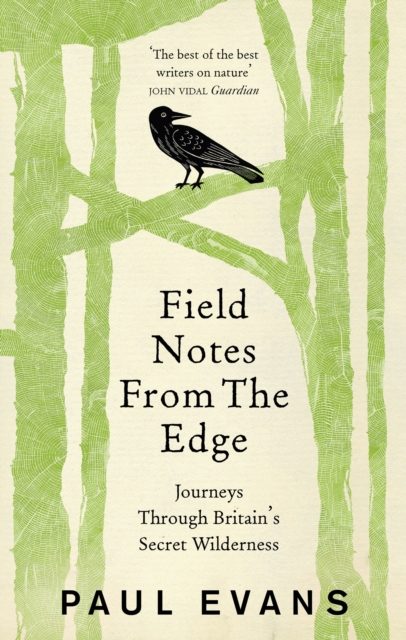
A profoundly satisfying read Financial TimesIn Field Notes from the Edge, the acclaimed writer of the Guardian's 'Country Diary', Paul Evans, takes us on a journey through the in-between spaces of Nature such as strandlines, mudflats, cliff tops and caves where one wilderness is on the verge of becoming another and all things are possible.
New York Times bestselling author Susan Donovan welcomes you to Bayberry Island, a special place where a bronze mermaid statue promises to grant true love to anyone who asks with an open heart.
Drawing on current powerful neuroscience, this book equips you with a deep insight into how your interconnected brain, mind and body shapes your capacity for heartfelt connection, emotional regulation and compassion, and the compelling influence this has on your child's developing mind.
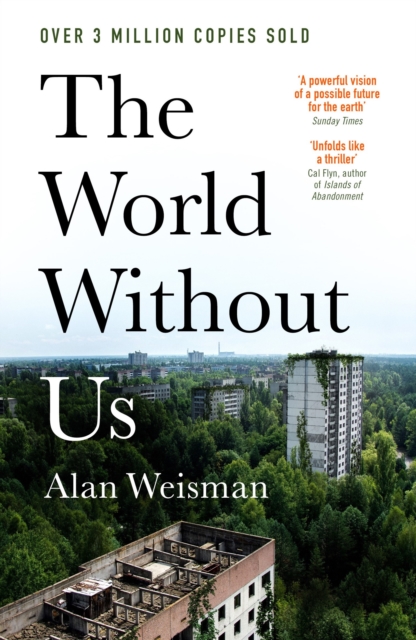
Revised Edition with New Afterword from the Author Time #1 Nonfiction Book of the YearFinalist for the National Book Critics Circle Award Over 3 million copies sold in 35 Languages"e;On the day after humans disappear, nature takes over and immediately begins cleaning house - or houses, that is.
This book is intended as an introductory text for students studying a wide range of courses concerned with animal management, zoo biology and wildlife conservation, and should also be useful to zookeepers and other zoo professionals.
This book is intended as an introductory text for students studying a wide range of courses concerned with animal management, zoo biology and wildlife conservation, and should also be useful to zookeepers and other zoo professionals.
This book provides a hands-on introduction to the construction and application of models to studies of vertebrate distribution, abundance, and habitat.
Historically, tropical ecology has been a science often content with descriptive and demographic approaches, which is understandable given the difficulty of studying these ecosystems and the need for basic demographic information.
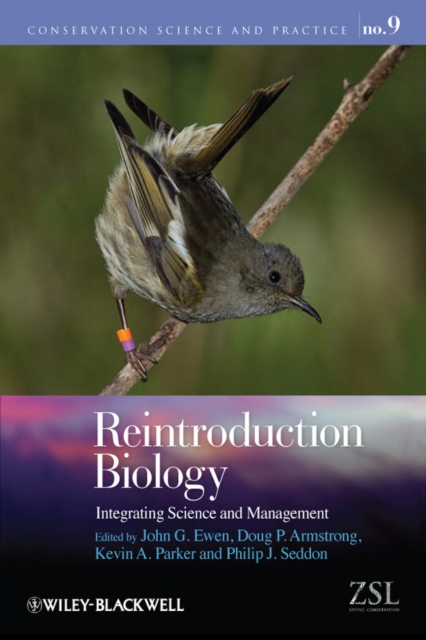
This book aims to further advance the field of reintroduction biology beyond the considerable progress made since the formation of the IUCN/SSC Re-introduction Specialist Group.
This book aims to further advance the field of reintroduction biology beyond the considerable progress made since the formation of the IUCN/SSC Re-introduction Specialist Group.
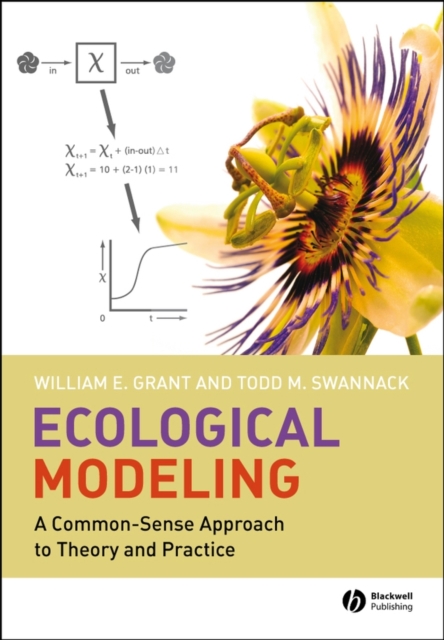
Ecological Modeling:A Commonsense Approach to Theory and Practice explores how simulation modeling and its new ecological applications can offer solutions to complex natural resource management problems.
This set of exercises has been created expressly for students and teachers of conservation biology and wildlife management who want to have an impact beyond the classroom.
MATHEMATICAL ECOLOGY Population ecologists study how births and deaths affect the dynamics of populations and communities, while ecosystem ecologists study how species control the flux of energy and materials through food webs and ecosystems.
Droughts are a major hazard to both natural and human-dominated environments and those, especially of long duration and high intensity, can be highly damaging and leave long-lasting effects.
Droughts are a major hazard to both natural and human-dominated environments and those, especially of long duration and high intensity, can be highly damaging and leave long-lasting effects.
Applied Urban Ecology: A Global Framework explores ways in which the environmental quality of urban areas can be improved starting with existing environmental conditions and their dynamics.
Applied Urban Ecology: A Global Framework explores ways in which the environmental quality of urban areas can be improved starting with existing environmental conditions and their dynamics.