Genetics and Epigenetics of Genitourinary Diseases aims to provide a comprehensive collection of data on genetics and epigenetics in almost all genitourinary diseases for researchers, clinicians, and graduate students.
The latest tools for investigating stress response in organisms, genomic technologies provide great insight into how different organisms respond to environmental conditions.
Providing an interface between dry-bench bioinformaticians and wet-lab biologists, DNA Methylation Microarrays: Experimental Design and Statistical Analysis presents the statistical methods and tools to analyze high-throughput epigenomic data, in particular, DNA methylation microarray data.
This volume explores the latest advancements and methodologies in studying Hox genes; gene regulation; and Hox gene expression, function, and regulation in various model organisms.
This volume explores the latest advancements and methodologies in studying Hox genes; gene regulation; and Hox gene expression, function, and regulation in various model organisms.
Owing to its considerable winter hardiness, rye is a cereal that played a major role in the feeding of European populations throughout the Middle Ages.
Integrative Omics in Parkinson's Disease provides a comprehensive understanding of the current literature on high-throughput technologies relating to discoveries for Parkinson's disease etiology.
Integrative Omics in Parkinson's Disease provides a comprehensive understanding of the current literature on high-throughput technologies relating to discoveries for Parkinson's disease etiology.
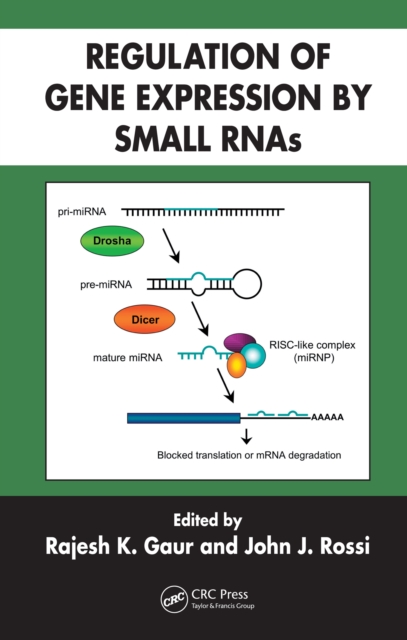
New Findings Revolutionize Concepts of Gene FunctionEndogenous small RNAs have been found in various organisms, including humans, mice, flies, worms, fungi, and bacteria.
The Handbook of Bloodstain Pattern Analysis captures the latest understanding of the science that supports bloodstain pattern analysis (BPA) and includes the results of numerous research studies using modern technologies not found in previously published books.
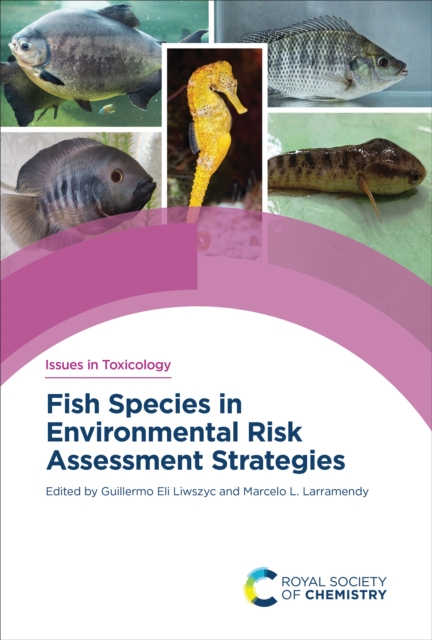
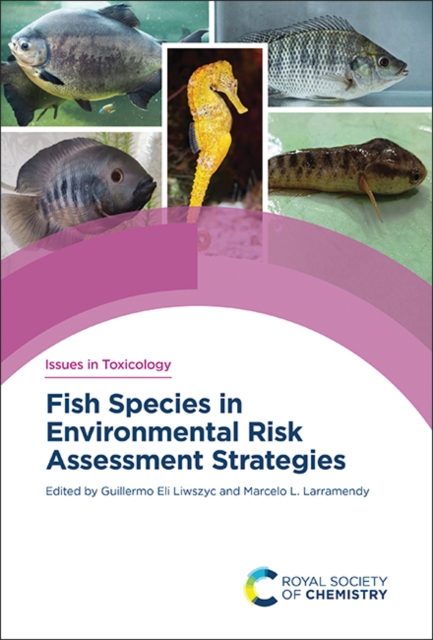
With the expansion of human settlements and the environmental changes brought on by human activity and pollutants, toxicology and risk assessment of piscine species is becoming increasingly of interest to scientists involved in environmental research and connected disciplines.
Every three years, worldwide forensics experts gather at the Interpol Forensic Science Symposium to exchange ideas and discuss scientific advances in the field of forensic science and criminal justice.
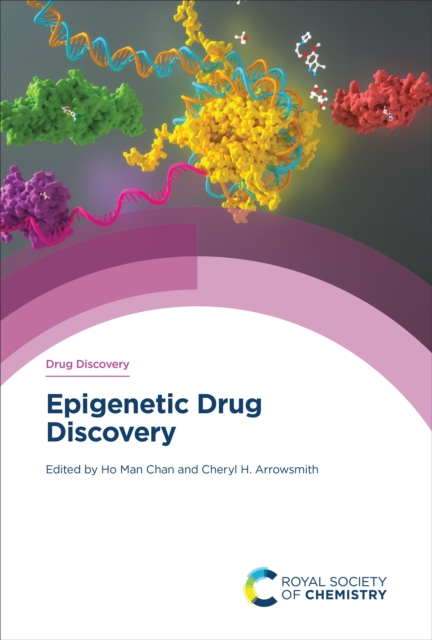
Epigenetics is one of the fastest moving fields in drug discovery, with almost every large pharmaceutical company, and a substantial number of biotechnology companies, targeting epigenetic processes to treat diseases ranging from cancer to Huntington's disease and from inflammation to sickle cell anaemia.
This book focuses on the latest research on the genetic basis of the regulation of sleep and wakefulness and of sleep and circadian rhythm disorders, which has been expanding rapidly due to advances in genetics.
Recent evidence proving the molecular link between unchecked, chronic inflammation and cancer has implicated the transcription factor NF-kB as a key factor in both inhibiting apoptosis and promoting cell proliferation.
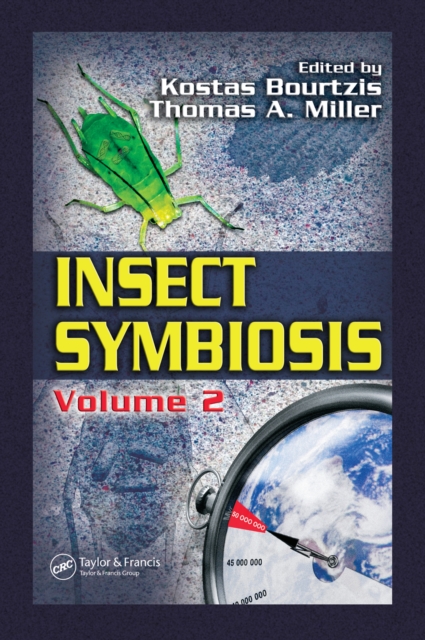
Summarizing current knowledge on symbiotic organisms in the biology of insects, Insect Symbiosis, Volume IIdescribes the diversity of symbiotic bacteria associated with pests such as whiteflies, aphids, mealybugs, psyllids, and tsetse flies.
This book focuses on the latest research on the genetic basis of the regulation of sleep and wakefulness and of sleep and circadian rhythm disorders, which has been expanding rapidly due to advances in genetics.
With the expansion of human settlements and the environmental changes brought on by human activity and pollutants, toxicology and risk assessment of piscine species is becoming increasingly of interest to scientists involved in environmental research and connected disciplines.
Genetic Diversity of Fruits and Nuts: Sustainable Utilization presents an account of the diversity and possible exploitation of such variability in the improvement of varied fruits and nuts of the world.
Recently, technological progress and the rise of DNA barcoding efforts have led to a significant increase in the availability of molecular datasets on intraspecific variability.
Ab dem Frühjahr 1854 begann der Augustinermönch Gregor Mendel (1822–1884) mit der Auswahl geeigneter Sorten der Gartenerbse (Pisum sativum) für seine Kreuzungsversuche, die er regelmäßig bis 1863 im Klostergarten in Alt-Brünn in Mähren durchführte.
Ab dem Frühjahr 1854 begann der Augustinermönch Gregor Mendel (1822–1884) mit der Auswahl geeigneter Sorten der Gartenerbse (Pisum sativum) für seine Kreuzungsversuche, die er regelmäßig bis 1863 im Klostergarten in Alt-Brünn in Mähren durchführte.
The unprecedented amount of data produced with high-throughput experimentation forces biologists to employ mathematical representation and computation to glean meaningful information in systems-level biology.
This collection of original essays by scientists, theologians, religious studies scholars, and ethicists offers an authoritative, illuminating, and thought-provoking overview of the CRISPR controversy.
This volume explores the latest advancements in the high-throughput sequencing (HTS) technologies and its uses in our understanding of complex biological processes and human diseases.
This volume explores the latest advancements in the high-throughput sequencing (HTS) technologies and its uses in our understanding of complex biological processes and human diseases.
This book offers a comprehensive understanding of the natural history of the Japanese Archipelago (Yaponesia), employing cutting-edge genomic research to provide insights into the prehistory in this region.
Shortlisted for the 2018 TWS Wildlife Publication Awards in the edited book categoryLesser Prairie-Chickens have experienced substantial declines in terms of population and the extent of area that they occupy.
Cutting Edge Artificial Intelligence, Spatial Transcriptomics and Proteomics Approaches to Analyze Cancer, Volume 163 in the Advances in Cancer Research series, highlights new advances in the field, with this new volume presenting interesting topics on the Impact of thermal processing on food flavonoids, Bioinformatics and bioactive peptides from foods: does it work together?
Cutting Edge Artificial Intelligence, Spatial Transcriptomics and Proteomics Approaches to Analyze Cancer, Volume 163 in the Advances in Cancer Research series, highlights new advances in the field, with this new volume presenting interesting topics on the Impact of thermal processing on food flavonoids, Bioinformatics and bioactive peptides from foods: does it work together?