Advances in Cancer Research, Volume 162 highlights new advances in the field, with this new volume presenting interesting chapters written by an international board of authors.
Advances in Cancer Research, Volume 162 highlights new advances in the field, with this new volume presenting interesting chapters written by an international board of authors.
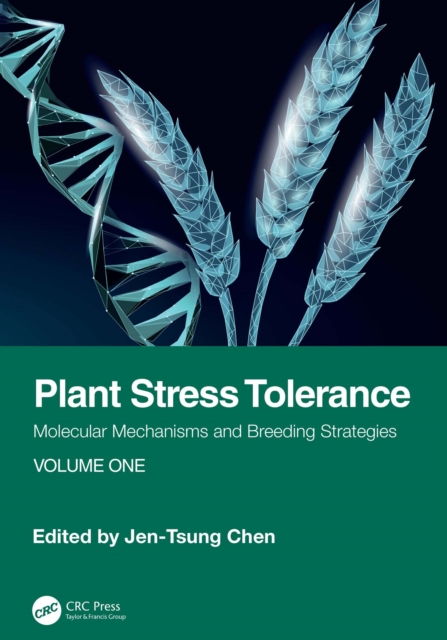
Plant Stress Tolerance: Molecular Mechanisms and Breeding Strategies, Volume One provides effective ways for organizing precision and sustainable agriculture.
Antimicrobial resistance (AMR) is increasing globally at an incredible rate, and many infectious diseases have already reached an alarming stage of resistance to existing treatments.
Offering up-to-date information on the uses and composition of the plant, Advances in Hemp Research provides growers, researchers, manufacturers, and suppliers with methods and data for the processing and cultivation of hemp for textile and paper products.
Personalized Epigenetics, Second Edition discusses the core translatability of epigenetics to health management of individuals who have unique variations in their epigenetic signatures that can guide both disorder and disease prevention and therapy.
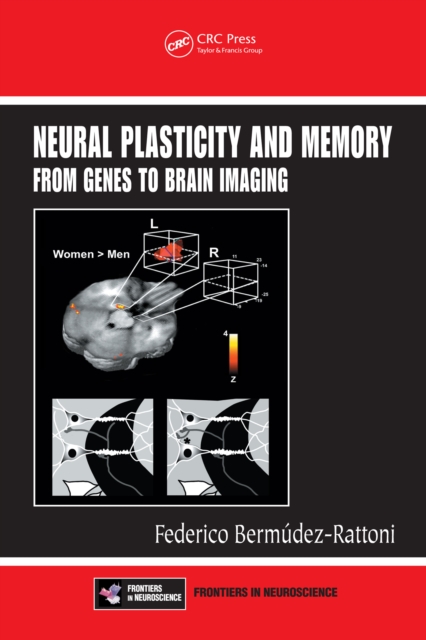
A comprehensive, multidisciplinary review, Neural Plasticity and Memory: From Genes to Brain Imaging provides an in-depth, up-to-date analysis of the study of the neurobiology of memory.
Although designed for undergraduates with an interest in molecular biology, biotechnology, and bioengineering, this book-Techniques in Genetic Engineering-IS NOT: a laboratory manual; nor is it a textbook on molecular biology or biochemistry.
The new edition of Gene Control, for the first time, provides extensive coverage on prokaryotic gene regulation, which makes it the only textbook offering a complete and detailed account of gene control for both prokaryotic and eukaryotic organisms.
This book offers an insightful exploration into the relationship between diet and Multiple Sclerosis (MS), aiming to address a crucial question: Can dietary interventions serve as effective preventative and therapeutic measures for patients with MS?
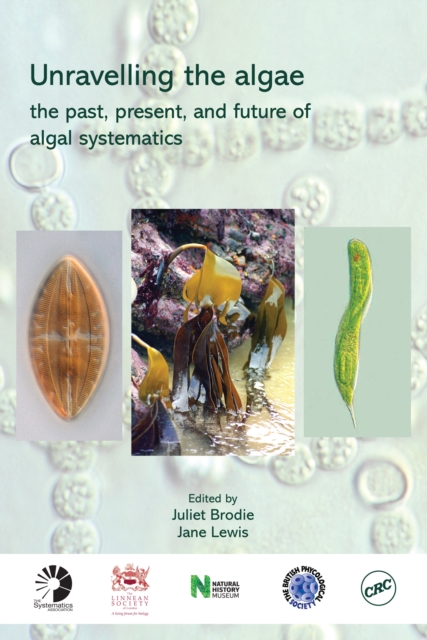
Acting as titans in global control of the biosphere and colonizing virtually all corners of the earth, algae, extremely diverse and numerous oxygenic, photosynthetic organisms, can be major players in and drivers of environmental change.
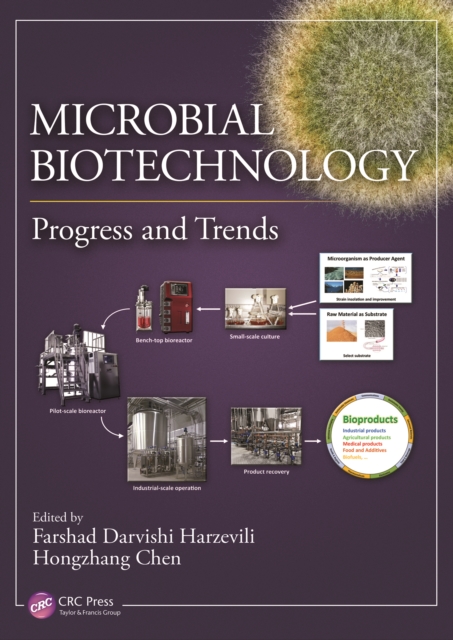
Incorporates the Experiences of World-Class Researchers Microbial Biotechnology: Progress and Trends offers a theoretical take on topics that relate to microbial biotechnology.
With the successful mapping of the human genome, we have entered an age of unprecedented opportunity in which researchers are beginning to apply this vast repository of knowledge to the treatment of human disease.
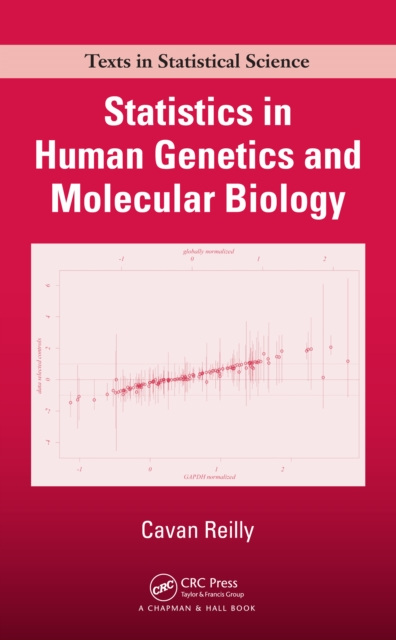
Focusing on the roles of different segments of DNA, Statistics in Human Genetics and Molecular Biology provides a basic understanding of problems arising in the analysis of genetics and genomics.
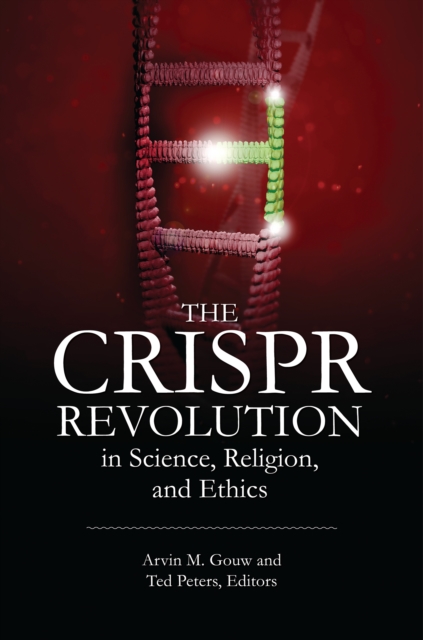
This collection of original essays by scientists, theologians, religious studies scholars, and ethicists offers an authoritative, illuminating, and thought-provoking overview of the CRISPR controversy.
Genetic Diversity of Fruits and Nuts: Sustainable Utilization presents an account of the diversity and possible exploitation of such variability in the improvement of varied fruits and nuts of the world.
**Selected for 2026 Doody's Core Titles as an Essential Purchase in Clinical Genetics**For decades, Emery and Rimoin's Principles and Practice of Medical Genetics and Genomics has served as the ultimate resource for clinicians integrating genetics and genomics into medical practice.
The new edition of Gene Control, for the first time, provides extensive coverage on prokaryotic gene regulation, which makes it the only textbook offering a complete and detailed account of gene control for both prokaryotic and eukaryotic organisms.
MicroRNA Advances and Application in Plant Biology presents a broad range of tools and techniques used for microRNA identification and utilization for diversity analysis in plants, crop improvement, and gene regulation.
This volume provides an overview of the latest protocols that cover the full range of in silico, in vitro, and in vivo approaches to help researchers plan, design, and perform Golden Gate cloning experiments.
This volume provides an overview of the latest protocols that cover the full range of in silico, in vitro, and in vivo approaches to help researchers plan, design, and perform Golden Gate cloning experiments.
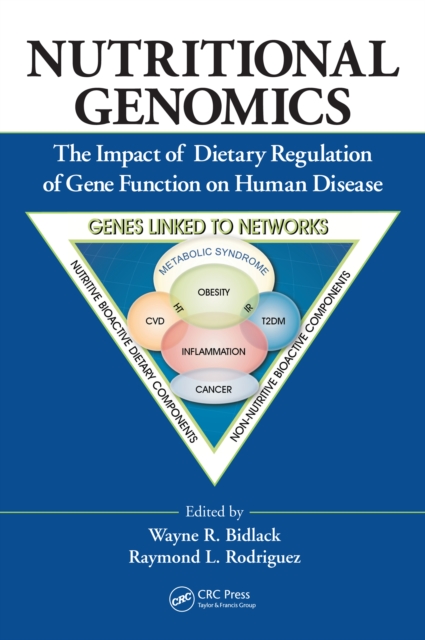
The notion of matching diet with an individual's genetic makeup is transforming the way the public views nutrition as a means of managing health and preventing disease.
Plant Stress Tolerance: Molecular Mechanisms and Breeding Strategies, Volume One provides effective ways for organizing precision and sustainable agriculture.
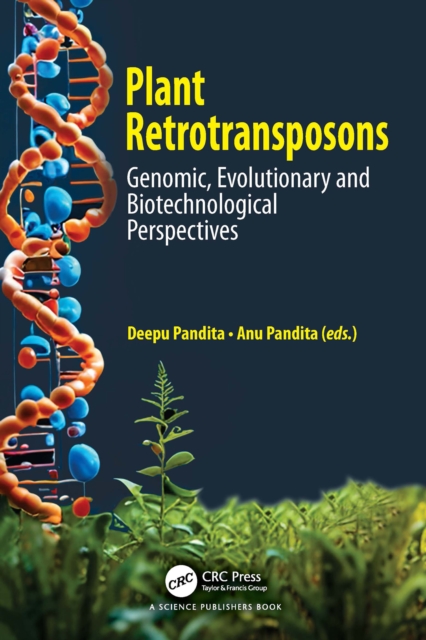
This book provides an up-to-date outlook on the origin, evolution, structure, genomic organization, expression, regulation and transposition mechanism of retrotransposons in the plant genome and computational tools and algorithms to analyze retrotransposons across different species, and their use as genetic tools in crop breeding and improvement.
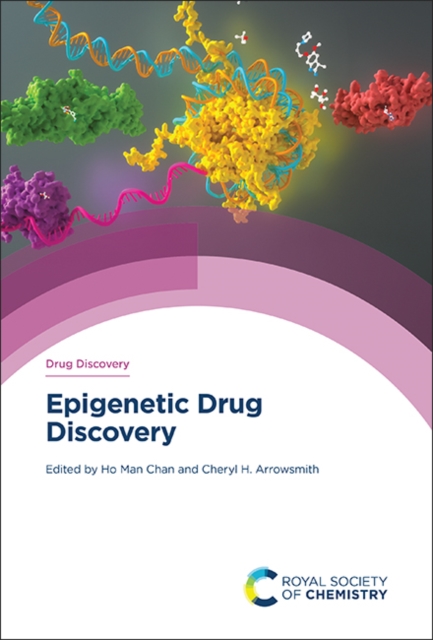
Epigenetics is one of the fastest moving fields in drug discovery, with almost every large pharmaceutical company, and a substantial number of biotechnology companies, targeting epigenetic processes to treat diseases ranging from cancer to Huntington's disease and from inflammation to sickle cell anaemia.