Epigenomics in Health and Disease discusses the next generation sequencing technologies shaping our current knowledge with regards to the role of epigenetics in normal development, aging, and disease.
Chromatin Signaling and Diseases covers the molecular mechanisms that regulate gene expression, which govern everything from embryonic development, growth, and human pathologies associated with aging, such as cancer.
Providing expert coverage of all major events in early embryogenesis and the organogenesis of specific systems, and supplemented with representative clinical syndromes, Principles of Developmental Genetics, Second Edition discusses the processes of normal development in embryonic and prenatal animals, including humans.
Artificial Photosynthesis, the latest edition in the Advances in Botanical Research series, which publishes in-depth and up-to-date reviews on a wide range of topics in the plant sciences features several reviews by recognized experts on all aspects of plant genetics, biochemistry, cell biology, molecular biology, physiology, and ecology.
Advances in Genetics, Volume 97 provides the latest information on the rapidly evolving field of genetics, presenting new medical breakthroughs that are occurring as a result of advances in our knowledge of the topic.
This fourth volume in the Handbook of Stress series, Stress: Genetics, Epigenetics and Genomics, deals with the influence that genetics, epigenetics, and genomics have on the effects of and responses to stress.
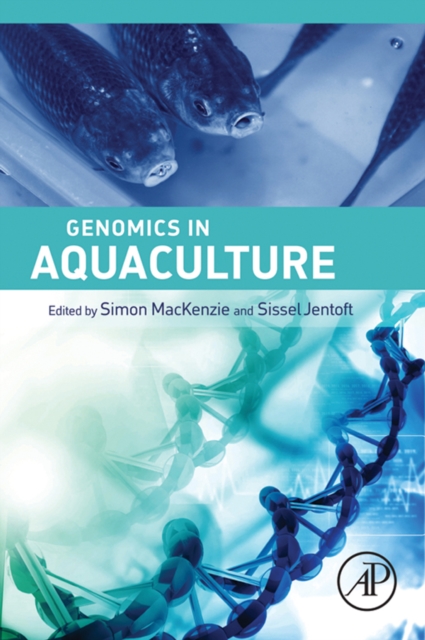
Genomics in Aquaculture is a concise, must-have reference that describes current advances within the field of genomics and their applications to aquaculture.
Nuclear Architecture and Dynamics provides a definitive resource for (bio)physicists and molecular and cellular biologists whose research involves an understanding of the organization of the genome and the mechanisms of its proper reading, maintenance, and replication by the cell.
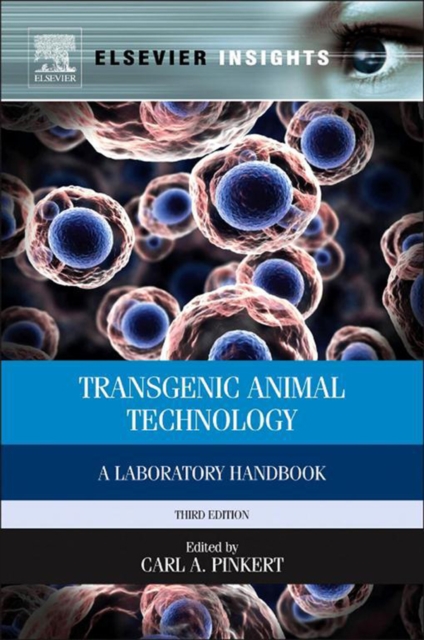
Transgenic animal technologies and the ability to introduce functional genes into animals have revolutionized our ability to address complex biomedical and biological questions.
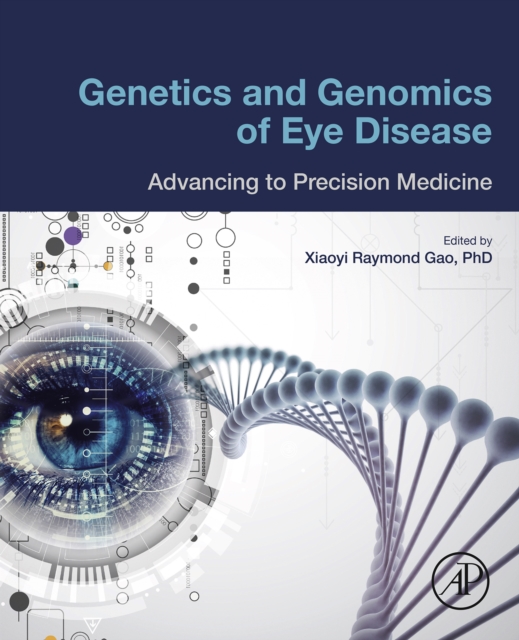
Genetics and Genomics of Eye Disease: Advancing to Precision Medicine thoroughly examines the latest genomics methods for studying eye disease, including complex eye disorders associated with multiple genes.
Wheat and Barley Grain Biofortification addresses topics associated with the alleviation of malnutrition in globally diverse populations via wheat and barley biofortification.
Sports, Exercise, and Nutritional Genomics: Current Status and Future Directions is the first reference volume to offer a holistic examination of omics-driven advances across different aspects of exercise and sports physiology, biochemistry, sports medicine, psychology, anthropology, and sports nutrition; and highlighting the opportunities towards advance personalized training and athlete health management.
Advances in Genetics, Volume 103, provides the latest information on the rapidly evolving field of genetics, presenting new medical breakthroughs that are occurring as a result of advances in our knowledge of the topic.
Advances in Genetics provides the latest information on the rapidly evolving field of genetics, presenting new medical breakthroughs that are occurring as a result of advances in our knowledge of genetics.
This book describes the current state of international grape genomics, with a focus on the latest findings, tools and strategies employed in genome sequencing and analysis, and genetic mapping of important agronomic traits.
This book contains complete information on Capsicum genetic resources, diversity, evolution, history and advances in capsicum improvement from classical breeding to whole genome sequencing, genomics, databases and its impact on next generation pepper breeding.
This book reviews the convoluted history of orthogenesis with an emphasis of non-English sources, untangles relationships between various concepts of directed evolution and argues whether orthogenesis has something to offer modern biology.
This book summarizes recent advances in carnation genome research for large-scale transcriptome analysis, the draft genome sequence, DNA markers and genome mapping, flower color, mutations, flower opening, vase life, interspecific hybridization, fragrance.
This book examines the development of innovative modern methodologies towards augmenting conventional plant breeding, in individual crops, for the production of new crop varieties under the increasingly limiting environmental and cultivation factors to achieve sustainable agricultural production, enhanced food security, in addition to providing raw materials for innovative industrial products and pharmaceuticals.
This edited volume summarizes the recent advancements made in plant science including molecular biology and genome editing , particularly in the development of novel pathways tolerant to climate change-induced stresses such as drought, extreme temperatures, cold, salinity, flooding, etc.
This edited book, is a collection of 20 articles describing the recent advancements in the application of microbial technology for sustainable development of agriculture and environment.
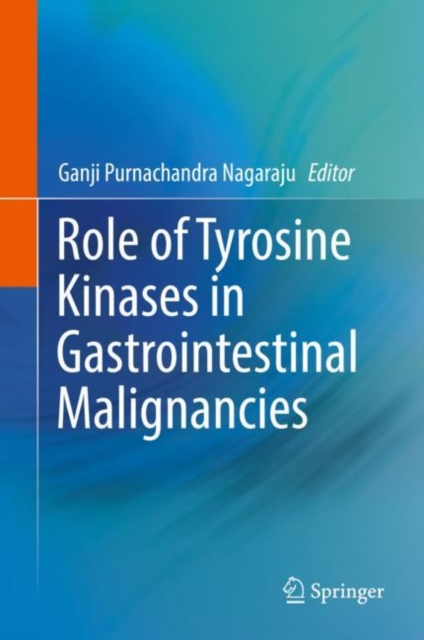
The aim of this book is to provide comprehensive overview of the role of different tyrosine kinases in the progression and metastasis of various cancers of the gastrointestinal tract such as esophagus, liver, pancreas, stomach, and colorectal.
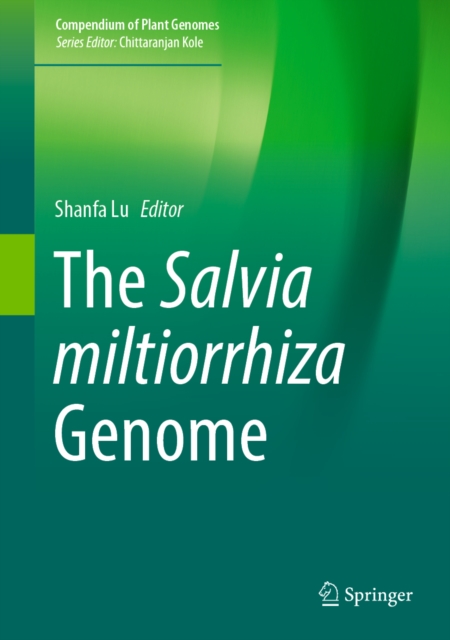
This is the first book on the genome of Salvia miltiorrhiza, summarizing the research advances in the molecular mapping, whole genome sequencing, chloroplast and mitochondria genomes, epigenetics, transcriptomics and functional genomics of this emerging model plant with great economic and medicinal value.
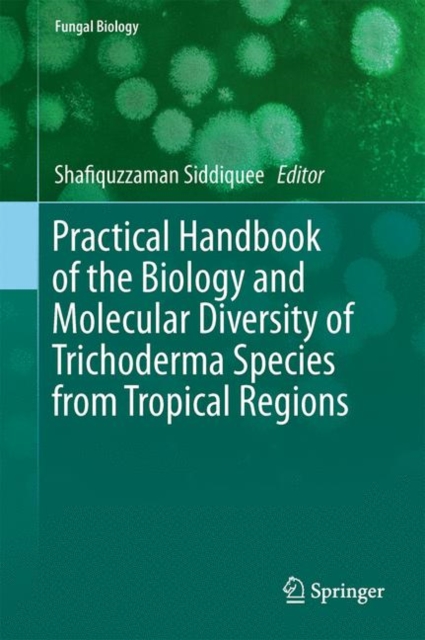
This book analyzes the right pathway to solve the controversial identifications of some Trichoderma species on the basis of sampling procedures, slide culture techniques, macroscopic and microscopic analysis, and molecular tools.
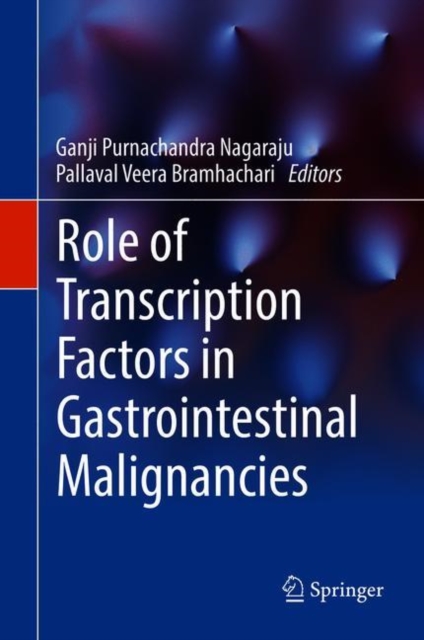
This book illustrates the importance of transcription factors in gastrointestinal cancer progression and metastasis with regard to understanding the mechanism and target definition in drug discovery.
This book provides a detailed and up-to-dated information on the genomes belonging to three major life forms on Earth - archaea, prokaryotes and eukaryotes.
In 1957 two young scientists, Matthew Meselson and Frank Stahl, produced a landmark experiment confirming that DNA replicates as predicted by the double helix structure Watson and Crick had recently proposed.