This book provides the latest information about hairy root culture and its several applications, with special emphasis on potential of hairy roots for the production of bioactive compounds.
This edited book presents the latest research on cucumber, its genetic resources and diversity, tissue culture and genetic transformation, mapping of economic genes and QTLs, whole genome sequencing, comparative genomics, and breeding strategies.
This book presents the clinical scope of cancer immunotherapeutic agents for solid tumors and Hematologic malignancies, elaborates on the scientific details of their modes of action, and presents the impact of these agents on oncology, patients and the broader healthcare system.
This book presents the genetics and genomics of Jatropha, which is used for biofuel, and shows how plant genomics can be used to improve plant breeding.
This book provides an overview of the current state of knowledge of the genetics and genomics of the agriculturally important Cucurbitaceae plant family, which includes crops such as watermelon, melon, cucumber, summer and winter squashes, pumpkins, and gourds.
During the past 15 years, cellular and molecular approaches have emerged as valuable adjuncts to supplement and complement conventional breeding methods for a wide variety of crop plants.
This unique textbook provides a clear and concise overview of the key principles of the complex field of phylogenomics, with a particular focus on sequencing technologies that are crucial to studying and understanding interrelations in evolutionary genomics.
Based on the understanding that tolerance to pest pressure increases with less crop stress, this book covers all aspects of the molecular mechanisms underlying insect resistance in field crops.
This comprehensive text provides a much-needed review of a disease that is currently garnering the interest of molecular biologists, translational scientists, and clinicians.
This book comprises the best potato seed production practices and includes details on potato cultivation, classification, and the main structural elements of the successive stages of potato seed production.
This comprehensive guide to gene cloning provides beginning and advanced readers with the background, standard techniques, practical applications, and ethical and safety considerations in the field.
This book summarizes the latest information and the status quo of radish genome studies to stimulate innovations and improvements in breeding techniques and to promote further advances in the field.
This book describes the development of genetic resources in amaranths, with a major focus on genomics, reverse, and forward genetics tools and strategies that have been developed for crop improvement.
This handbook provides comprehensive reference information on the efficient production of secondary metabolites from plants by transgenesis and other genetic manipulation strategies.
This book is the first comprehensive compilation of deliberations on jute botanical descriptions, germplasm resources, genetic diversity and population structure, DUS test and DNA fingerprinting, interspecific hybridization, classical genetics, cytology and cytogenetics, genetic transformation; and detailed enumeration on molecular mapping, genome sequencing initiatives of three major jute fiber producing countries, interspecific and intergeneric comparative genomics, organellar genomes, elucidation on functional genomics and genomics resources and database.
This book is the first comprehensive compilation of knowledge on teak biology, ecology, clonal forestry, clonal registration, seed biology, and seed orchards.
This wide-ranging book introduces information as a key concept not only in physics, from quantum mechanics to thermodynamics, but also in the neighboring sciences and in the humanities.
This book focuses on the latest genome sequencing of the 25 wild Oryza species, public and private genomic resources, and their impact on genetic improvement research.
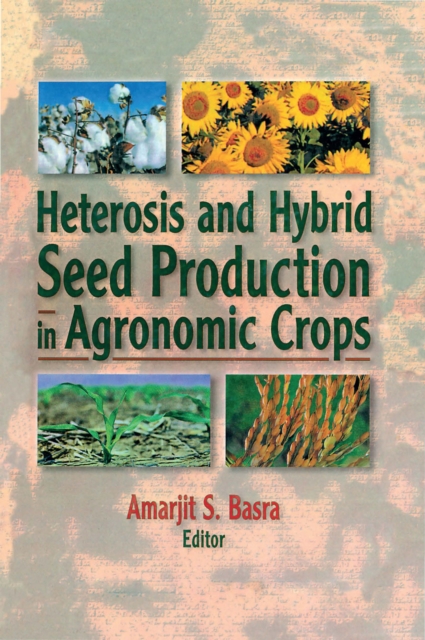
Heterosis and Hybrid Seed Production in Agronomic Crops discusses how heterosis or "e;hybrid vigor"e; has played a major role in improving crop productivity and quality in order to feed the ever-increasing human population, particularly in developing countries.
This book reviews the current state of epigenetics and proteomics of leukemia and introduces the methods that are important to process and evaluate these factors in leukemia.
This book includes papers presented at the 2017 Joint meeting of Fodder Crops and Amenity Grasses Section and Protein Crops Working Group of EUCARPIA-Oil and Protein Crops Section.
The intended audience of this textbook are plant and animal breeders, upper-level undergraduate and graduate students in biological and agricultural science majors.
This book gives insight into the functional role of non-coding RNAs in central pathways contributing to the development of obesity, type 2 diabetes, non-alcoholic fatty liver disease, atherosclerosis, myocardial infarction, cardiomyopathy, and heart failure.
This two-volume textbook provides a comprehensive overview on the broad field of Animal Biotechnology with a special focus on livestock reproduction and breeding.
This book presents an overview of the state-of-the-art in barley genome analysis, covering all aspects of sequencing the genome and translating this important information into new knowledge in basic and applied crop plant biology and new tools for research and crop improvement.
This invaluable resource discusses insights ranging from basic biological mechanisms of various types of stem cells through the potential applications in the treatment of human diseases, including cancer and genetic disorders.
This book addresses various aspects of the current castor bean research, including genetics, biotechnology, comparative genomics, and more specific topics such as oil metabolism and the ricin toxin.
This book highlights modern methods and strategies to improve cereal crops in the era of climate change, presenting the latest advances in plant molecular mapping and genome sequencing.
This book highlights modern strategies and methods to improve oilseed crops in the era of climate change, presenting the latest advances in plant molecular breeding and genomics-driven breeding.
This book is the first comprehensive compilation of deliberations on whole genome sequencing of sesame including genome assembly, annotation, structure and synteny analysis, and sequencing of its chloroplast genome and also its wild species.
This two-volume textbook provides a comprehensive overview on the broad field of Animal Biotechnology with a special focus on livestock reproduction and breeding.
This book describes the concepts, strategies and techniques for pulse-crop improvement in the era of climate change, highlighting the latest advances in plant molecular mapping and genome sequencing.
This book provides fascinating insights into the development and genetics of evolutionary processes on the basis of animals living in the dark, such as the Astyanax cave fish.