This book provides a comprehensive overview of the wild relatives of crops and cultivated species found in India, covering their distribution, phylogenetic relationships with cultivated species, traits that are of economic and breeding value, and the perceived threats.
This book offers up-to-date information on different microbiomes, their community composition and interactive functions with the host, bringing together information from diverse research reports to provide an overview of the rapid developments in meta-omics technologies.
This two volume book set provides a comprehensive and practical overview of the state-of-the-art molecular biological diagnostic strategies that are currently used in a wide variety of disciplines.
The book traces the roots of plant biotechnology from the basic sciences to current applications in the biological and agricultural sciences, industry, and medicine.
This book brings together and updates the latest information on the diversity of yeasts, their molecular features and their applications in the welfare of mankind.
This book focuses on the evolution of plant viruses, their molecular classification, epidemics and management, covering topics relating to evolutionary mechanisms, viral ecology and emergence, appropriate analysis methods, and the role of evolution in taxonomy.
With exponentially increasing population across the globe and shrinking resources, the concern of food security is looming large over the world community.
El proyecto del Genoma Humano es, sin dudad, en el área de la biología, la mayor empresa de investigación que a través de los tiempos ha emprendido el hombre.
This book explores the major cytokines, such as IL-1 and IFN-y, with respect to the regulation of their gene expression and protein production in specific immune cell types.
This book provides up-to-date information on the characteristics of each species of intestinal fluke found in humans and on the management of infections caused by these trematodes.
Recent progress in biotechnology and genomics has expanded the plant breeders' horizon providing a molecular platform on the traditional plant breeding, which is now known as 'plant molecular breeding'.
Synthetic Biology (SB) is a revolutionary discipline with a vast range of practical applications, but is SB research really based on engineering principles?
This volume focuses on modern computational and statistical tools for translational gene expression and regulation research to improve prognosis, diagnostics, prediction of severity, and therapies for human diseases.
This is the fourth major publication on Vicia faba reporting proceedings of seminars organised through the Commission of the European Communities in the context of the E.
The 10th IAPTC&B Congress, Plant Biotechnology 2002 and Beyond, was held June 23-28, 2002, at Disney's Coronado Springs Resort, in Orlando, Florida, USA.
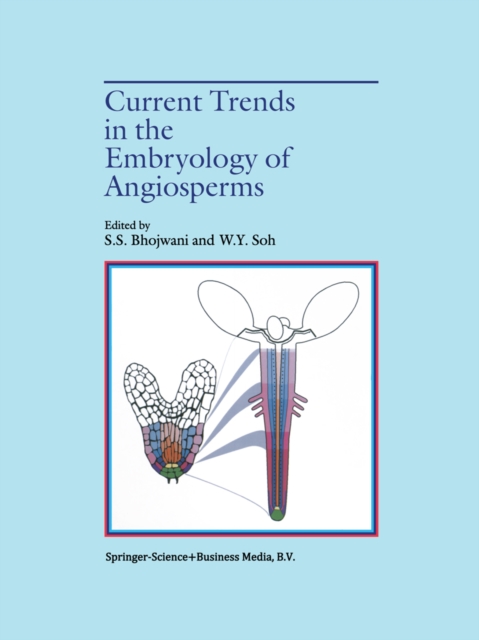
During the last two decades the modern techniques of histochemistry, electron microscopy, plant physiology, biochemistry, cell and molecular biology, immunology, and genetics have been applied to investigate the intricacies of the processes involved in embryo formation, and considerable new information has been generated.
The International Symposium on "e;Cellular and Molecular Aspects of Biosynthesis and Action of the Plant Hormone Ethylenc"e; ,vas held in Agen, France from August 31 st and September 4th, 1992.
In this book we bring together the most up-to-date information on developments, both basic and applied, that already have or are expected to impact the field of ornamental breeding.
Ultimate success in exploiting the genetic capabilities of plants to grow in nutrient-stressed environments of the semi-arid tropics (SAT) requires a holistic view of food systems to ensure that genetic selections for improved yields on nutrient-poor soils will actually be adopted by farmers.
Since the beginning of agricultural production, there has been a continuous effort to grow more and better quality food to feed ever increasing popula- tions.
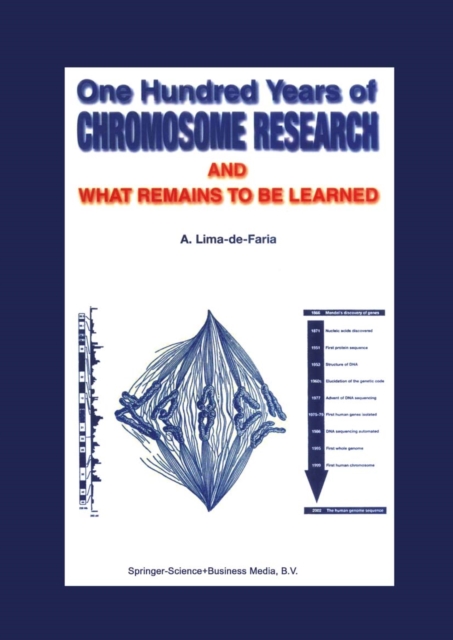
One Hundred Years of Chromosome Research: What Remains to be Learned, offers the reader a critical analysis of the observations and experiments that shaped the last 100 years of chromosome research, as well as the ideas which prevailed during this period.
This volume mainly reports on new and recent advancements on different aspects of Pseudomonas syringae, a plant pathogenic bacterial species that include a high number of pathogens of important crops, which is an interesting model organism in plant pathology.
The discipline of microbiology that deals with an amazingly diverse group of simple organisms, such as viruses, archaea, bacteria, algae, fungi, and protozoa, is an exciting field of Science.