Glutathione (y-glutamyl-cysteinyl-glycine) is a ubiquitously distributed sulfurcontaining antioxidant molecule that plays key roles in the regulation of plant growth, development, and abiotic and biotic stress tolerance.
This popular textbook, now in its third edition, provides a theoretical framework for understanding why cancers arise, how they develop and how they can be treated.
This book presents deliberations on molecular and genomic mechanisms underlying the interactions of crop plants to the abiotic stresses caused by heat, cold, drought, flooding, submergence, salinity, acidity, etc.
Dramatic advances in computing power enable simulation of DNA sequences generated by complex microevolutionary scenarios that include mutation, population structure, natural selection, meiotic recombination, demographic change, and explicit spatial geographies.
Due to continuous technical developments and new insights into the high complexity of neurological diseases, there is an increasing need for the application of proteomic technologies which can yield potential biomarker readouts for improved clinical management as well as for the development of new drugs by struggling pharmaceutical companies.
This volume reviews the latest research on the functional implications of nuclear, chromosomal and genomic organization and architecture on cell and organismal biology, and development and progression of diseases.
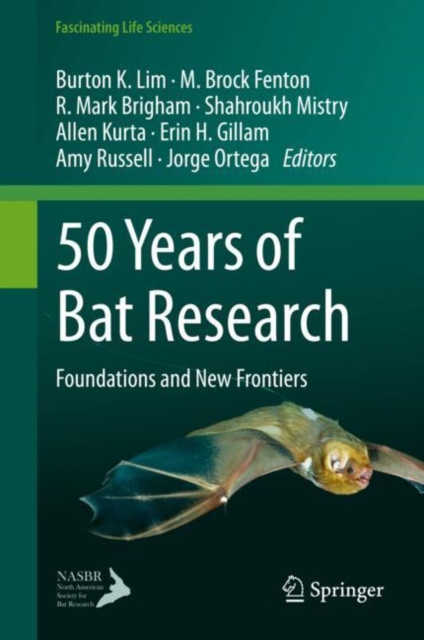
With more than 1,400 species, bats are an incredibly diverse and successful group of mammals that can serve as model systems for many unique evolutionary adaptations.
Global food security is increasingly challenging in light of population increase, the impact of climate change on crop production, and limited land available for agricultural expansion.
This textbook provides a concise introduction and useful overview of the field of human population genomics, making the highly technical and contemporary aspects more accessible to students and researchers from various fields.
Soybean Seed Composition covers three decades of advances in quantitative trait loci (QTL) mapping of seed protein, oil, fatty acids, amino acids, sugars, mineral nutrients, isoflavones, lunasin, and other beneficial compounds.
This book describes how the genome sequence contributes to our understanding of allopolyploidisation and the genome evolution, genetic diversity, complex trait regulation and knowledge-based breeding of this important crop.
Increase in world population, extreme weather conditions, decrease in fresh water supplies, and changes of dietary habits are major issues that affect global food security.
One of the most profound paradigms that have transformed our understanding about life over the last decades was the acknowledgement that microorganisms play a central role in shaping the past and present environments on Earth and the nature of all life forms.
This two-volume set takes an in-depth look at stress signaling in plants from a uniquely genomic and proteomic perspective and offers a comprehensive treatise that covers all of the signaling pathways and mechanisms that have been researched so far.
This second edition provides new and updated chapters covering computational and mathematical techniques and concepts related to the field of comparative genomics.
The Berne Symposium invited leading scientists of risk assessment research with transgenic crops on an international level in order to enhance the discussion regulators and members of the biotech industry.
It follows naturally from the widely accepted Darwinian dictum that failures of populations or of species to adapt and to evolve under changing environments will result in their extinction.
Chromosomes Today, Volume 13 includes the plenary lectures presented at the 13th International Chromosome Conference, covering the most recent advances in the studies on chromosomes.
Following an opening chapter by the late Susumu Ohno on paralogues of sex-determining genes, the five best-studied genes essential for early mammalian gonadal development are portrayed in detail: SF-1 and WT1 and their roles in early events in gonadal development, SRY and SOX9 in testis determination, and the anti-testis gene DAX-1.
MicroRNAs as the endogenous mediators of RNA interference have experienced an unprecedented career in recent years, highlighting their pathogenic, diagnostic and potential therapeutic relevance.
There is now compelling evidence that the complexity of higher organisms correlates with the relative amount of non-coding RNA rather than the number of protein-coding genes.
In this volume, a distinguished set of international scholars examine the nature of collaboration between life partners in the sciences, with particular attention to the ways in which personal and professional dynamics can foster or inhibit scientific practice.
With one volume each year, this series keeps scientists and advanced students informed of the latest developments and results in all areas of the plant sciences.
Epigenetic modifications comprise heritable gene expression changes that occur without alteration of the DNA sequence and 'co-act' with genetic factors to shape development processes and evolutionary trajectories.