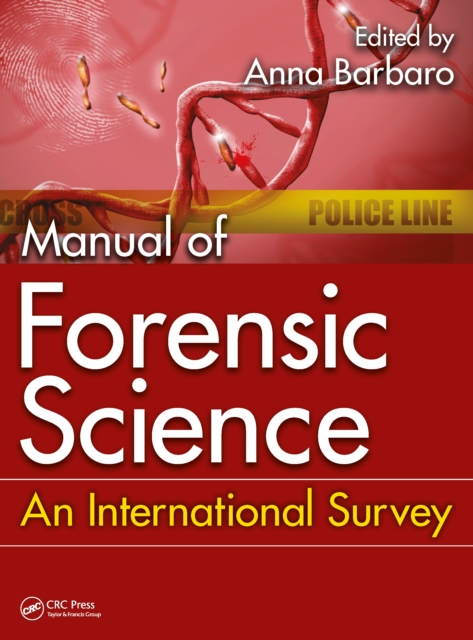
A truly international and multi-disciplinary compendium of current best practices authored by top practitioners from around the world, the book covers current trends and technology advances in the following disciplines within forensic science: bloodstain pattern analysis, forensic photography, ballistics, latent prints, forensic genetics and DNA, questioned documents, forensic toxicology, forensic clinical medicine, forensic pathology, forensic odontology, forensic anthropology, forensic entomology, forensic biometry, forensic psychology and profiling, law comparison and ethics, and much more.
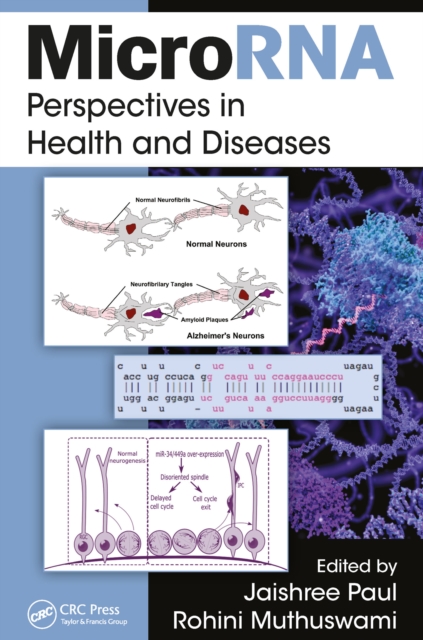
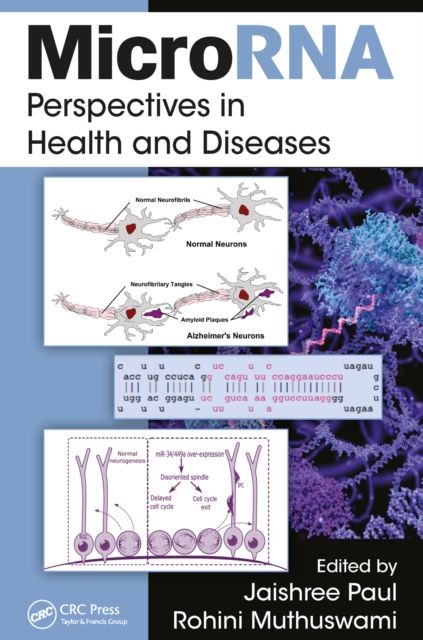
This book explores the role of miRNA as therapeutic agents, the progress made in this direction and the problems that need to be addressed for miRNA based therapies to become successful.
This book explores the role of miRNA as therapeutic agents, the progress made in this direction and the problems that need to be addressed for miRNA based therapies to become successful.
Exome and genome sequencing are revolutionizing medical research and diagnostics, but the computational analysis of the data has become an extremely heterogeneous and often challenging area of bioinformatics.
An invaluable resource for computational biologists and researchers from other fields seeking an introduction to the topic, Chromatin: Structure, Dynamics, Regulation offers comprehensive coverage of this dynamic interdisciplinary field, from the basics to the latest research.
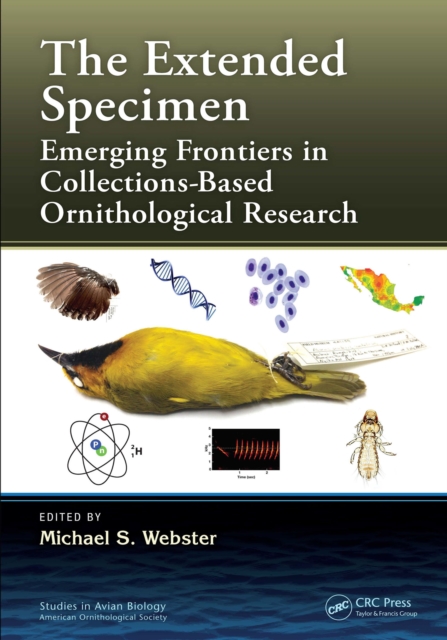
The Extended Specimen highlights the research potential for ornithological specimens, and is meant to encourage ornithologists poised to initiate a renaissance in collections-based ornithological research.
Microbial Biofilms: Omics Biology, Antimicrobials and Clinical Implications is a comprehensive survey of microbial biofilms and their role in human health and disease with contributions from world renowned experts in molecular microbiology, proteomics, genomics, metabolomics and infectious diseases.
Originally published in 1982 by Pearson/Prentice-Hall, the Forensic Science Handbook, Third Edition has been fully updated and revised to include the latest developments in scientific testing, analysis, and interpretation of forensic evidence.
Offering the broadest review of psychological perspectives on human expertise to date, this volume covers behavioral, computational, neural, and genetic approaches to understanding complex skill.
Offering the broadest review of psychological perspectives on human expertise to date, this volume covers behavioral, computational, neural, and genetic approaches to understanding complex skill.
Personalized nutrition involves the formulation of individualized nutritional recommendations to promote and maintain health based on an individual's genetic makeup and other unique intrinsic and extrinsic factors.
Personalized nutrition involves the formulation of individualized nutritional recommendations to promote and maintain health based on an individual's genetic makeup and other unique intrinsic and extrinsic factors.
While there has been great progress in the development of plant breeding over the last decade, the selection of suitable plants for human consumption began over 13,000 years ago.
While there has been great progress in the development of plant breeding over the last decade, the selection of suitable plants for human consumption began over 13,000 years ago.
Research on abnormal human hemoglobins (protein in blood that carries oxygen), has taught us about the inheritance, biochemistry, and distribution of these traits.
Research on abnormal human hemoglobins (protein in blood that carries oxygen), has taught us about the inheritance, biochemistry, and distribution of these traits.
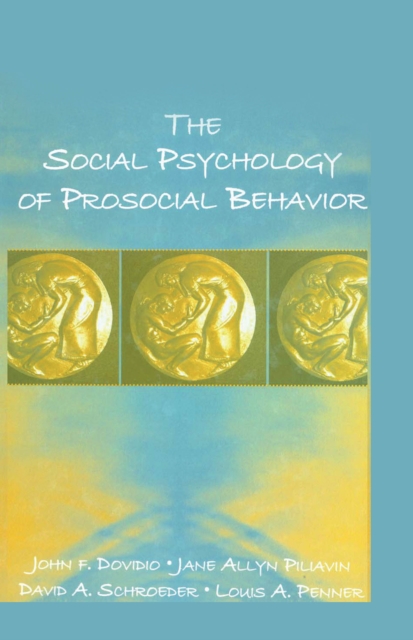
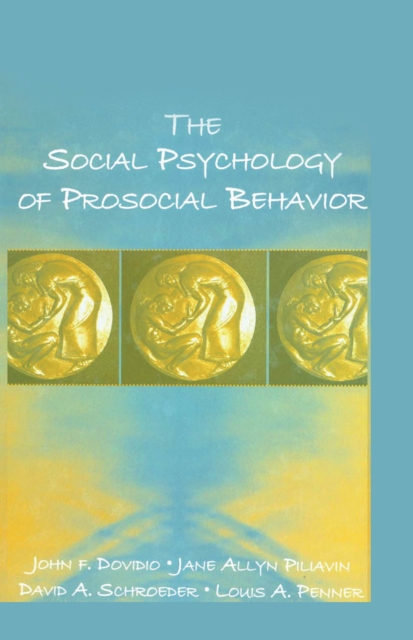
Written by four leading researchers in the study of prosocial behavior, this book introduces a new perspective on prosocial behavior for the 21st century.
Written by four leading researchers in the study of prosocial behavior, this book introduces a new perspective on prosocial behavior for the 21st century.
Classification of plants and animals is of basic interest to biologists in all fields because correct formulation and generalization are based on sound taxonomy.
Classification of plants and animals is of basic interest to biologists in all fields because correct formulation and generalization are based on sound taxonomy.
Although aggressive behavior and its consequences has been a topic of concern for centuries, it is only within the recent past that serious attempts to understand aggression have been made.
Although aggressive behavior and its consequences has been a topic of concern for centuries, it is only within the recent past that serious attempts to understand aggression have been made.
Living things are constantly engaged in a struggle for existence, and ingenious devices for the purpose of self-preservation can be seen in all types of animal and plant life.
Living things are constantly engaged in a struggle for existence, and ingenious devices for the purpose of self-preservation can be seen in all types of animal and plant life.
This book presents the results of a thirty-five-year research project involving 300 families, each of whom adopted at least one child at birth from a Texas home for unwed mothers during the period of 1962-1970.
This book presents the results of a thirty-five-year research project involving 300 families, each of whom adopted at least one child at birth from a Texas home for unwed mothers during the period of 1962-1970.
Just over one hundred and thirty years ago Charles Darwin, in The Descent of Man and Selection in Relation to Sex (1871), developed remarkably accurate conclusions about man's ancestry, based on a review of general comparative anatomy and psychology in which he regarded sexual selection as a necessary part of the evolutionary process.
Just over one hundred and thirty years ago Charles Darwin, in The Descent of Man and Selection in Relation to Sex (1871), developed remarkably accurate conclusions about man's ancestry, based on a review of general comparative anatomy and psychology in which he regarded sexual selection as a necessary part of the evolutionary process.
For nearly forty years, using recombinant DNA tools, researchers, and then businesses, have genetically engineered organisms by transferring naturally occurring genes from one organism into another.
For nearly forty years, using recombinant DNA tools, researchers, and then businesses, have genetically engineered organisms by transferring naturally occurring genes from one organism into another.