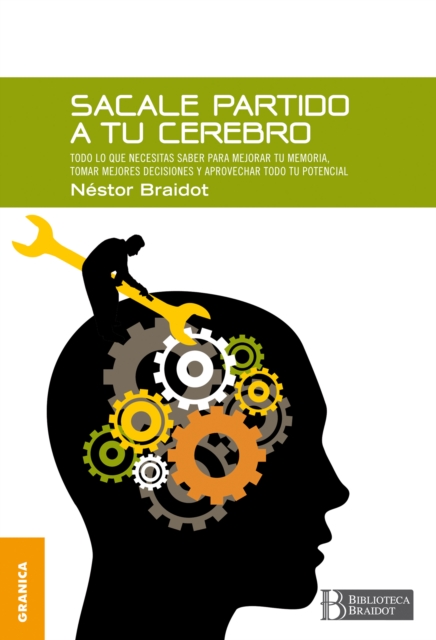
"Crear una mente más serena, fuerte y resiliente nos potencia, y nos da la gran oportunidad de conocer una nueva forma de vivir y así poder disfrutar de los pequeños grandes momentos que nos regala la vida.
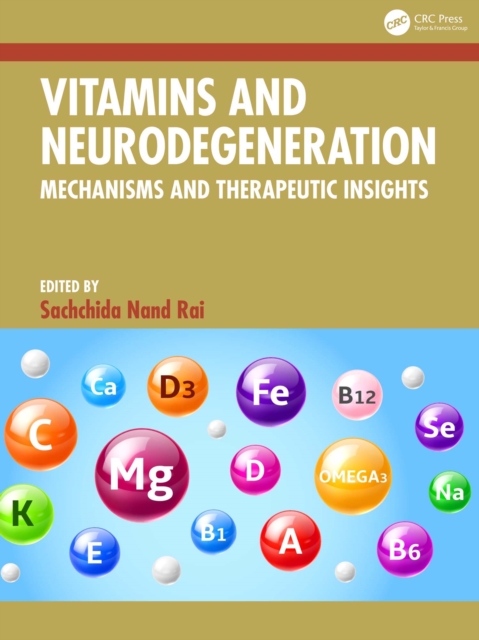
This book examines the neurobiological impact of vitamins in the pathophysiology and prevention of neurodegenerative diseases, offering an integrative perspective on nutritional modulation of brain health.
This book delves into the complexities of brain health, aging, and neurodegeneration, exploring the varied roles that genetic, environmental, and lifestyle factors play in shaping brain health.
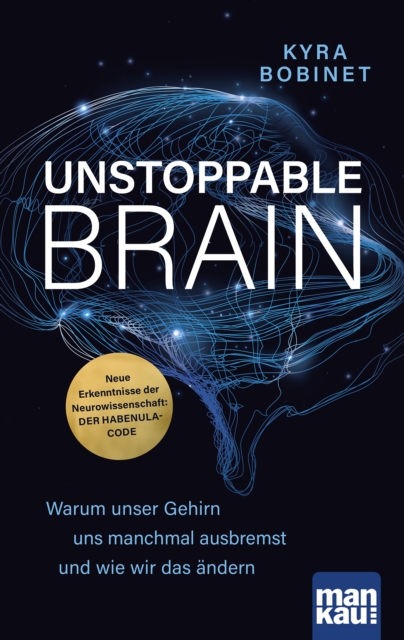
This non-fiction book provides information about the latest findings on research and therapy of nerve regeneration with catchy drawings and in understandable words.
This non-fiction book provides information about the latest findings on research and therapy of nerve regeneration with catchy drawings and in understandable words.
Dieses Sachbuch informiert mit eingängigen Zeichnungen und in verständlichen Worten über die neuesten Ergebnisse zu Forschung und Therapie der Nervenregeneration.
Dieses Sachbuch informiert mit eingängigen Zeichnungen und in verständlichen Worten über die neuesten Ergebnisse zu Forschung und Therapie der Nervenregeneration.
Recovery of mimic function after facial nerve transection is poor: the successful regrowth of axotomized motoneurons to their targets is compromised by (i) poor axonal navigation and excessive collateral branching, (ii) abnormal exchange of nerve impulses between adjacent regrowing axons and (iii) insufficient synaptic input to facial motoneurons.
Escrita en colaboración por un psicoanalista y un neurocientífico, esta obra muestra cómo la cuestión de la huella, eje del fenómeno de la plasticidad, se sitúa claramente en la intersección entre neurociencias y psicoanálisis, lo que permite poner en serie huella sináptica, huella psíquica y significante.
This non-fiction book informs those interested in neuroscience and medicine about the latest findings on the therapy of neurodegeneration with a focus on Alzheimer's dementia and Parkinson's disease.
Este libro es el primer tratado en español sobre neuropéptidos, campo de las neurociencias que se viene desarrollando considerablemente y que seguirá haciéndolo en el futuro.
This book is a comprehensive resource on the application of marine derived bioactive compounds in the treatment of various neurological and neurodegenerative disorders.
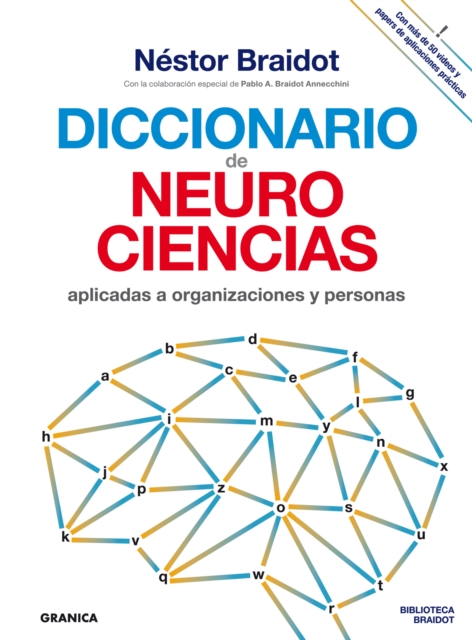
Este diccionario esta dirigido tambien a los interesados en iniciarse en la maravillosa tarea de comprender el funcionamiento del cerebro y como se implementan estos conocimientos en disciplinas de avanzada, entre ellas, neuromarketing, neuroeconomia, neuroliderazgo, neuroaprendizaje y neurocapacitacion.
Nestor Braidot vuelve a sorprendernos con un libro de origen cientifico totalmente comprensible para cualquier lector que este interesado en el funcionamiento del organo mas importante del cuerpo humano: el cerebro.
This non-fiction book informs those interested in neuroscience and medicine about the latest findings on the therapy of neurodegeneration with a focus on Alzheimer's dementia and Parkinson's disease.
The first experiments with neural transplantation into the brain (for a review, see Bjorklund and Stenevi 1985) were reported at the end of the last century by Thompson (1890), who took cortical tissue from adult cats and implanted the tissue pieces into the neocortex of adult dogs.
It is important, indeed necessary, we believe, that the study of the higher brain func- tions be introduced by a brief account of the evolution of the philosophical thinking and scientific researches on cognition.
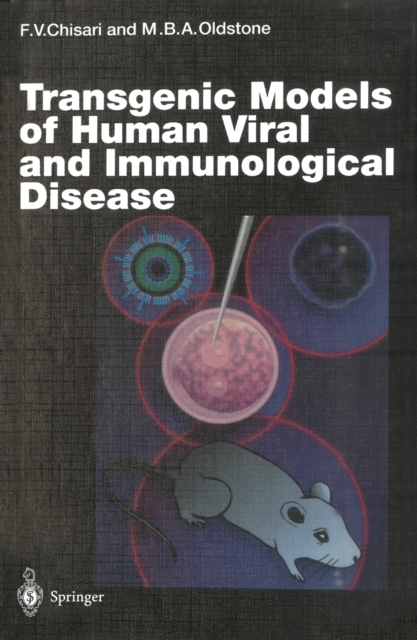
Modern molecular technology in the so-called life sciences (biology as weil as medicine) allows today to approach and manipulate living beings in ways and to an extent wh ich not too long aga seemed Utopian.
Recovery of mimic function after facial nerve transection is poor: the successful regrowth of axotomized motoneurons to their targets is compromised by (i) poor axonal navigation and excessive collateral branching, (ii) abnormal exchange of nerve impulses between adjacent regrowing axons and (iii) insufficient synaptic input to facial motoneurons.
Singularity Hypotheses: A Scientific and Philosophical Assessment offers authoritative, jargon-free essays and critical commentaries on accelerating technological progress and the notion of technological singularity.
Sleep is a necessary, active, diverse and periodic condition, homeostatically regulated and precisely meshed with waking time into the sleep-wakefulness cycle.
The synucleinopathy sporadic Parkinson's disease (sPD) is the second most frequent degenerative disorder of the human nervous system after Alzheimer's disease.
Biologically inspired walking machines are fascinating objects to study, from thepointofviewoftheirmechatronicaldesignaswellastherealisationofc- trol concepts.
Stress and The Brain: Evidence from Molecular Mechanisms to Interventions and Therapies is a comprehensive exploration of how stress affects the brain at a molecular level and its broader implications for mental and neurological health.
This book examines the neurobiological impact of vitamins in the pathophysiology and prevention of neurodegenerative diseases, offering an integrative perspective on nutritional modulation of brain health.
An essential guide for mastering modern implantable devices in spine, brain, and nerve surgeries, offering comprehensive insights and cutting-edge techniques for optimal clinical outcomesMinimally Invasive Spine Techniques: Modern Approaches is an indispensable resource tailored for practitioners facing the daily challenges demanding precision, innovation, and comprehensive knowledge.
For the first time a compilation of chapters that depict the biological bases underlying the development of lentiviral vectors, the techniques involved in the manufacture of this new gene delivery tool, and its most promising applications.
ONE OF NEW SCIENTIST'S BEST BOOKS OF THE YEAR SO FAR : 'Serious and impressive Critchlow deserves praise for her rigour and optimism'THE INSTANT SUNDAY TIMES BESTSELLERDiscover the powerful, practical and optimistic guide to strengthening your mind for the modern world and thriving in the age of AI, from acclaimed neuroscientist and Sunday Times bestselling author Dr Hannah Critchlow.
Approaches for Brain Targeting Using Nanoparticulate Systems aims to explore variety of nanoparticulate systems in the enhancement of therapeutic delivery, promotion for effective brain targeting, and reduction in the off-targets.
Key Topics in Memory explores the essential role of memory in human cognition, and how it connects us to the past, grounds us in the present, and guides our anticipation of the future.
Key Topics in Memory explores the essential role of memory in human cognition, and how it connects us to the past, grounds us in the present, and guides our anticipation of the future.