Offering a summary of the current state of knowledge in autism research, Defining Autism looks at the different genetic, neurological and environmental causes of, and contributory factors to autism.
Deep Brain Stimulation: A New Frontier in Psychiatry provides an overview of current developments and the future possibilities of deep brain stimulation for patients with therapy-refractory psychiatric disorders.
Since the epochal discovery of the radical and highly toxic gas nitric oxide (NO) as a signaling molecule, two other no less toxic gases - carbon monoxide (CO) and hydrogen sulfide (H2S) - have been found to also be involved in a plethora of physiological and pathophysiological functions.
In light of mounting fishing pressures, increased aquaculture production and a growing concern for fish well-being, improved knowledge on the swimming physiology of fish and its application to fisheries science and aquaculture is needed.
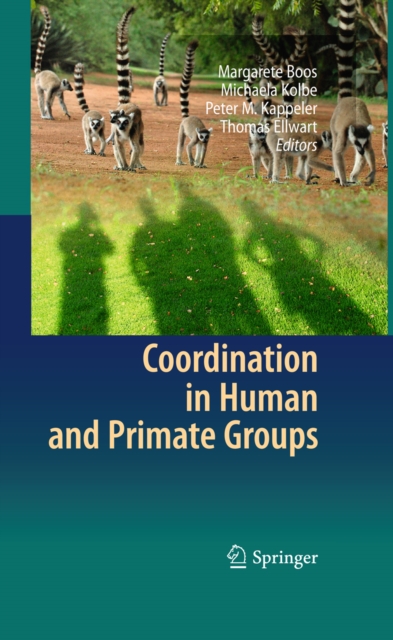
Coordination in Human and Primate Groups presents one of the first collections of the different approaches and methods used to assess coordination processes in groups.
Recent years have witnessed striking advances in research on axons at a cellular level that substantially impact our current understanding of axonal biology.
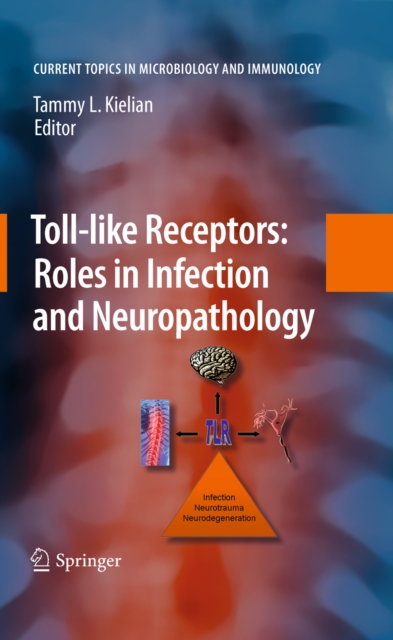
Mammalian Toll-like receptors (TLRs) were first identified in 1997 based on their homology with Drosophila Toll, which mediates innate immunity in the fly.
The main message of this monograph is that the appearance of the mammalian brain with the ability to acquire drives ensured the development of social life, and eventually led to the evolution of the human society.
'A masterpiece of popularization' Times Literary Supplement'A fascinating account, based on objective scientific research, of the ways in which mental states affect the individual's liability to disease.
Groundbreaking essays and commentaries on the ways that recent findings in psychology and neuroscience illuminate virtue and character and related issues in philosophy.
A detailed study of research on the psychology of expertise in weather forecasting, drawing on findings in cognitive science, meteorology, and computer science.
Two distinguished neuroscientists distil general principles from more than a century of scientific study, “reverse engineering” the brain to understand its design.
Experts describe the latest research in a rapidly growing multidisciplinary field, the study of groups of individuals acting collectively in ways that seem intelligent.
A noted philosopher draws on the empirical results and conceptual resources of cognitive neuroscience to address questions about the nature of knowledge.
A comprehensive, neurally based theory of language function that draws on principles of neuroanatomy, cognitive psychology, cognitive neuropsychology, psycholinguistics, and parallel distributed processing.
This book delves into the complexities of brain health, aging, and neurodegeneration, exploring the varied roles that genetic, environmental, and lifestyle factors play in shaping brain health.
The book investigates cognitive development in young children through a series of functional near-infrared spectroscopy (fNIRS) studies conducted by the author and his team.
This second edition volume expands on the previous edition with discussions on the latest advancements in using time-efficient and effective cognitive behavioral therapy (CBT) approaches that are backed by theoretical backgrounds and based on data.
This book is a comprehensive resource on the application of marine derived bioactive compounds in the treatment of various neurological and neurodegenerative disorders.
The Itch Spectrum: The Neurological and Immunological Basis of Itch and Dermatological Disorders covers the latest research on the itch signalling pathway from the skin to the brain.
This second edition volume expands on the previous edition with discussions on the latest advancements in using time-efficient and effective cognitive behavioral therapy (CBT) approaches that are backed by theoretical backgrounds and based on data.
The book investigates cognitive development in young children through a series of functional near-infrared spectroscopy (fNIRS) studies conducted by the author and his team.
Con un lenguaje cercano y riguroso, El cerebro endanza se dirige a lectores interesados en la cienciay el bienestar y tambien a amantes de la danza,las artes escenicas y la cultura contemporanea.
Como resultado de un camino recorrido —profesional y personalmente— hacia el conocimiento del cerebro y sus maravillosas funciones, nace el título Lo que nos hace humanos.
Sensory Approaches to Mental Health Practice presents the latest research on the relationship between sensory processing and a range of mental health conditions, along with coverage of relevant sensory-based programs.
El cerebro: descifrando el enigma de nuestra humanidadEl cerebro es el órgano más enigmático del ser humano, un bosque de neuronas que da lugar a la cognición y al comportamiento.
Therapies for Treatment-Resistant Depression: Neuropharmacology and Neurostimulation provides readers with an authoritative, comprehensive and targeted treatment guide.
Regulated Cell Death in Neurodegenerative Disorders is a comprehensive exploration of the mechanisms and implications of RCD within the realm of neurodegenerative diseases.
La obra nos lleva a un campo interdisciplinario muy amplio entre diversas ciencias biologicas, sociales y humanisticas como son las neurociencias, las ciencias de la conducta, la psicologia cognitiva, la psiquiatria, la filosofia de la mente, la teoria literaria, las ciencias de la complejidad y algunas tradiciones relevantes al tema, como el budismo.
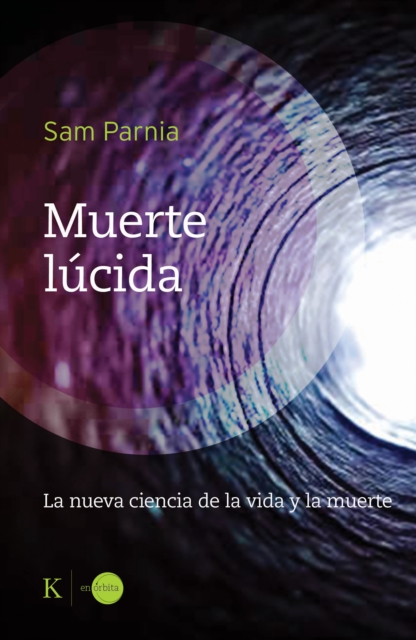
De la mano de Sam Parnia, experto internacional en reanimación y experiencias cercanas a la muerte (ECM), Muerte lúcida ofrece una perspectiva revolucionaria sobre lo que nos ocurre al morir, basada en el estudio más extenso jamás realizado sobre estas experiencias.