This concise monograph introduces and examines social influence from the perspective of the so-called target, rather than from the source, thus providing for the first time a bidirectional account of this pervasive social phenomenon, further bridging simple micro-level dyadic interaction rules with macro-level properties of the (social) system.
This book addresses the problem of EEG signal analysis and the need to classify it for practical use in many sample implementations of brain-computer interfaces.
This book provides a unique overview on the most recent developments in initially diverse areas of behavioral genomic research that now start to intertwine to provide more detailed insights into the complex nature of behavior in health and disease.
This book presents the proceedings of the NeuroIS Retreat 2019, held on June 4-6 in Vienna, Austria, reporting on topics at the intersection of information systems (IS) research, neurophysiology and the brain sciences.
Global Virology, Volume III: Virology in the 21st Century examines work that has been undertaken, or is planned, in several fields of virology, in an effort to promote current and future work, research, and health.
Extensive research conducted by the Hasso Plattner Design Thinking Research Program at Stanford University in Palo Alto, California, USA, and the Hasso Plattner Institute in Potsdam, Germany, has yielded valuable insights on why and how design thinking works.
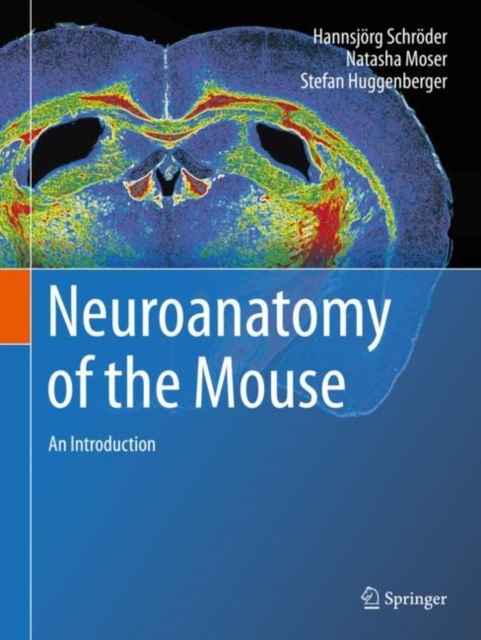
A fundamental goal of neuroscience is to understand how the nervous system extracts biologically relevant information from the natural environment and how it uses that information to guide and coordinate behavior necessary for reproduction and survival.
This book is about the field of brain-computer interfaces (BCI) and the unique and special environment of active implants that electrically interface with the brain, spinal cord, peripheral nerves, and organs.
This book aims to provide a state-of-the-art summary of what is currently known about brain glycogen metabolism, detailing the recent advances in our understanding of why glycogen is so critical for normal brain function.
Understanding and improving how organizations work and are managed is the object of management research and practice, and this topic is of longstanding interest in the academia and in society at large.
Mobile Brain-Body Imaging and the Neuroscience of Art, Innovation and Creativity is a trans-disciplinary, collective, multimedia collaboration that critically uncovers the challenges and opportunities for transformational and innovative research and performance at the nexus of art, science and engineering.
This is an anthology of contemporary studies from various disciplinary perspectives written by some of the world's most renowned experts in each of the areas of mathematics, neuroscience, psychology, linguistics, semiotics, education, and more.
This book analyzes and discusses in detail art therapy, a specific tool used to sustain health in affective developments, rehabilitation, motor skills and cognitive functions.
This book offers a timely overview of theories and methods developed by an authoritative group of researchers to understand the link between criticality and brain functioning.
This book offers a broad perspective on the field of cognitive engineering and neuroergonomics, covering emerging practices and future trends toward the harmonious integration of human operators and computer systems.
The aim of this book is not only to introduce readers with a broad spectrum of biological actions of the NOP receptor, but also to feature a detailed look at the N/OFQ-NOP receptor system, medicinal chemistry, pharmacology, and clinical data of NOP-targeted ligands.
This book focuses on a central question in the field of complex systems: Given a fluctuating (in time or space), uni- or multi-variant sequentially measured set of experimental data (even noisy data), how should one analyse non-parametrically the data, assess underlying trends, uncover characteristics of the fluctuations (including diffusion and jump contributions), and construct a stochastic evolution equation?
The book provides a comprehensive reference on the neurobiological understanding of behaviour, how behaviour is regulated by the brain, and how such behaviours in turn influence the brain.
The second edition of this book brings together a cutting edge international team of contributors to critically review the current knowledge regarding the effectiveness of training interventions designed to improve cognitive functions in different target populations.
This book explores the subject of artificial psychology and how the field must adapt human neuro-psychological testing techniques to provide adequate cognitive testing of advanced artificial intelligence systems.
The blood-brain-barrier serves to encapsulate and protect the central nervous system, but it also presents a major barricade to therapeutic drug delivery.
Despite numerous recent studies and exciting discoveries in the field, only limited treatments are available today for the victims of acute brain and spinal cord injuries.
Roughly defined as any property other than pitch, duration, and loudness that allows two sounds to be distinguished, timbre is a foundational aspect of hearing.
This book covers central aspects of behavioral ecology, including sexual selection, social and genetic mating systems, cooperative breeding, brood parasitism, brood reduction, migration, personalities and communication.
This book addresses all aspects of neuromodulation therapy in the management of headache and facial pain disorders, paying particular attention to the application of this rapidly growing and fascinating therapy to different forms of headache and facial pain conditions.
Leading researchers are specially invited to provide a complete understanding of a key topic within the multidisciplinary fields of physiology, biochemistry and pharmacology.
This book provides students and researchers with reviews of biological questions related to the evolution of feeding by vertebrates in aquatic and terrestrial environments.
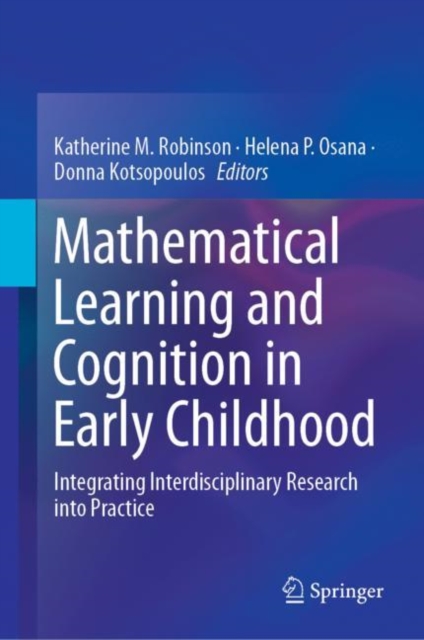
This book explores mathematical learning and cognition in early childhood from interdisciplinary perspectives, including developmental psychology, neuroscience, cognitive psychology, and education.