The division of the mature mammalian brain and spinal cord into regions of "e;white"e; matter and "e;gray"e; matter is observable upon the most cursory inspection.
This book is a collection of papers describing some of the first attempts to apply the techniques of recombinant DNA and molecular biology to studies of the nervous system.
A wealth of information has been accumulated about the function of ion channels of excitable cells since the extensive and pioneering voltage clamp studies by Hodgkin, Huxley, and Katz 36 years ago.
It has been recognized for more than a thousand years that the function of the brain, like the function of the other organs of the body, is determined by its physical, chemical, and biological properties.
The explosive accumulation of new knowledge in the biological sciences in the last decades has advanced our understanding of the basic mechanisms that underlie most biological phenomena.
When the projected volumes of the Handbook are completed, most of our current knowledge of the biochemistry of nervous systems will have been touched upon.
Life, either as we think of it in the abstract in its highest sense, or life, as we think of it in terms of a compact living organism, is obviously the result of complex interaction of all of the components of the organism.
This volume of the series on "e;Cerebral Cortex"e; deals with a variety of topics that need to be considered in our overall understanding of the functions of the cerebral hemispheres.
Volume 6 of Cerebral Cortex is in some respects a continuation of Volume 2, which dealt with the functional aspects of cortical neurons from the physiological and pharmacological points of view.
nly two things are certain in life, one is that all of us will inevita- Obly grow older, the other is that at some point during or at the end of this process we shall die.
Understanding how the brain works is undoubtedly the greatest challenge for human intelligence and one of the most ambitious goals of contemporary science.
The full power of combining experiment and theory has yet to be unleashed on studies of the neural mechanisms in the brain involved in acoustic information processing.
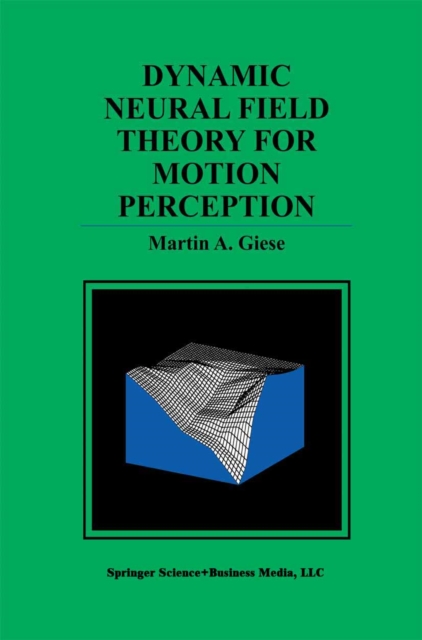
Dynamic Neural Field Theory for Motion Perception provides a new theoretical framework that permits a systematic analysis of the dynamic properties of motion perception.
When first introduced, antisense oligonucleotides were hailed as the long awaited magic bullet that would provide an unprecedented level of specificity in controlling gene expression.
Psychoneuroimmunology is the first textbook to examine the complex functional relationships between the nervous system, the neuroendocrine and the immune system.
Numerous studies have proven the biological basis of memory formation and have begun to identify the biochemical traces and cellular circuits that are formed by experience, and which participate int the storage of information in the brain, its retention for long durations, and its retrieval upon demand.
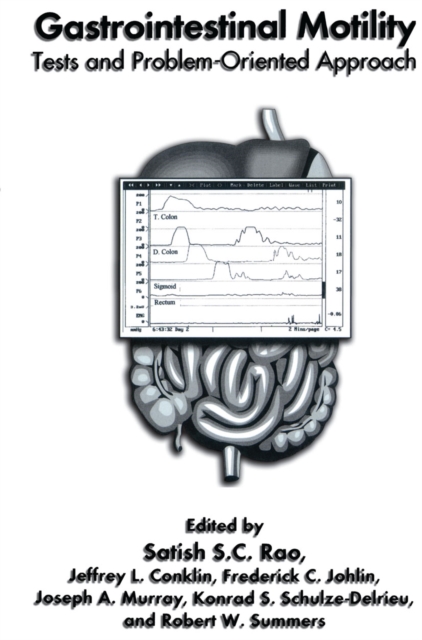
Gastrointestinal motility has evolved from an esoteric laboratory tool into a sophisti- cated diagnostic technique that is now widely used clinically to guide in management of complex gastrointestinal problems.
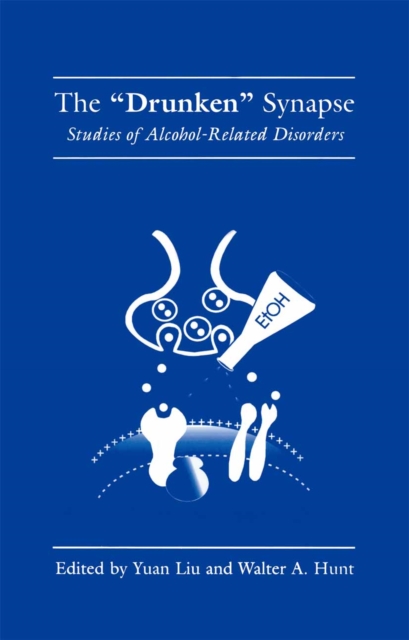
Over the past two years, the National Institute on Alcohol Abuse and Alcoholism (NIAAA) has begun a series of symposia to highlight the need for more integrative re- search to understand how ethanol alters behavior.
Thirty-five years ago, when Stephen Kuffler and his colleagues at Harvard initiated a new era of research on the properties and functions of neuroglial cells, very few neuro- scientists were impressed at the time with the hypothesis that neuroglial cells could have another, though more subtle, role to play in the nervous system than to provide static support to neurons.
The cerebral cortex, especially that part customarily designated "e;neocortex,"e; is one of the hallmarks of mammalian evolution and reaches its greatest size, relatively speaking, and its widest structural diversity in the human brain.
This volume contains the papers which were presented at the First Altschul Symposium, Atherosclerosis: Cellular and Molecular Interactions in the Artery Wall.