Psychology is of interest to academics from many fields, as well as to the thousands of academic and clinical psychologists and general public who can't help but be interested in learning more about why humans think and behave as they do.
Psychology is of interest to academics from many fields, as well as to the thousands of academic and clinical psychologists and general public who can't help but be interested in learning more about why humans think and behave as they do.
Translational research looks to take the latest innovations made in the laboratory setting to translate findings into effective and sustainable medical interventions and improved preventative measures.
Translational research looks to take the latest innovations made in the laboratory setting to translate findings into effective and sustainable medical interventions and improved preventative measures.
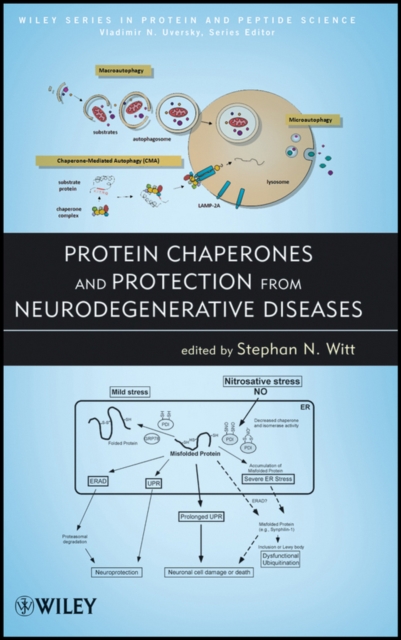
How protein chaperones protect cells from neurodegenerative diseases Including contributions from leading experts, Protein Chaperones and Protection from Neurodegenerative Diseases provides an in-depth exploration of how protein chaperones are involved in shielding cells from toxic aggregated or misfolded protein states that cause ALS, Parkinson's, and related diseases.
How protein chaperones protect cells from neurodegenerative diseases Including contributions from leading experts, Protein Chaperones and Protection from Neurodegenerative Diseases provides an in-depth exploration of how protein chaperones are involved in shielding cells from toxic aggregated or misfolded protein states that cause ALS, Parkinson's, and related diseases.
Written by an award-winning developmental neuroscientist, this is a comprehensive and cutting-edge account of the latest research on the adolescent brain.
Motor Behavior: Control, Learning and Development explores the realm of Motor Behavior, a field intricately examining human action and movement across a lifetime - from their initial acquisition to refinement and evolution.
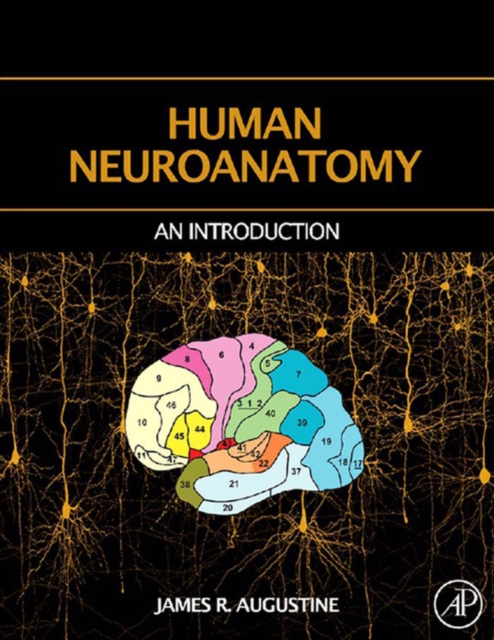
Human Neuroanatomy provides a thorough and comprehensive overview of the human brain and spinal cord for medical and graduate students as well as residents in the clinical neurosciences.
The fourth edition of the Handbook of Educational Psychology, sponsored by Division 15 of the American Psychological Association, addresses new developments in educational psychology theory and research methods while honoring the legacy of the field's past.
This volume discusses the latest imaging and molecular techniques for studying microcephaly through neural progenitor proliferation, survival, and gene expression.
This volume explores the latest techniques used to study the human brain towards understanding Alzheimer's Disease and related neurodegenerative disorders.
This second edition expands on the previous volume by incorporating state-of-the-art electrophysiological and anatomical methods and their application to the study of several systems of the brain involved in a range of functions.
This volume provides current state-of-the-art methods for screening, diagnosis, management, and prevention of fetal alcohol spectrum disorder (and FASD).
This volume covers the latest techniques that study the synthesis of melatonin, its receptor function, and its effects at the cellular and systemic level.
This volume provides backgrounds, methods, and troubleshooting for the analysis of circadian rhythms at the molecular, cellular, and organismal levels in vertebrates and invertebrates, and also covers light input, sleep, circalunar rhythms, and seasonal rhythms.
This volume explores the latest techniques used to study neurodevelopmental diseases (NDD) that range from molecular aspects to integrated research approaches and brain imaging in living rodents.
This volume covers comprehensive methods on ways to assess structural and ultrastructural changes in the mitochondria, cytoskeleton, and microglia using state-of-the-art microscopy techniques including super-resolution imaging, electron microscopy, and ultra-high field MRI.
This volume explores the latest eye-tracking methodologies that help researchers understand the background, methods, and applications involved in these studies.
This detailed volume features techniques to explore the complex interface that separates the systemic circulation from the central nervous system, known as the blood-brain barrier (BBB).
This volume explores multiple methods and approaches used to generate human brain and neuroretinal organoids to address fundamental questions in human brain research.
This volume discusses the latest techniques used in the diverse fields of single cell 'omics and covers topics such as quantifying the single cell transcriptome; isolation of cells in nanoliter volumes for single cell proteomics measurements by nano-LC-MS/MS; and single cell protein characterization by immunoblotting.