The groundbreaking new book showing how nature enhances our powers of attention and shapes brain development, from the founder of the field of environmental neuroscience.
This book incorporates new information regarding normal immune cell development as well as diagnosis of acute leukemias, malignant lymphomas and characterization of stem cells for transplantation.
Broadly defined as the science and technology of systems responding to neural processes in the brain, neuroadaptive systems (NASs) has become a rapidly developing area of study.
The New Benchmark for Understanding the Latest Developments of Ion ChannelsIon channels control the electrical properties of neurons and cardiac cells, mediate the detection and response to sensory stimuli, and regulate the response to physical stimuli.
Advances in Alcohol Use Disorder Treatment, Volume 178 in the International Review in Neurobiology series, presents a comprehensive exploration of emerging therapies and approaches in the field.
This volume provides the first major overview, by eminent authorities on the subject, of recent developments in the field of endogenous substances and their regulation of sleep processes.
Although the genomic era is no longer in its infancy, the life sciences are still facing questions about the role of endogenous proteins and peptides in homeostasis and pathologies.
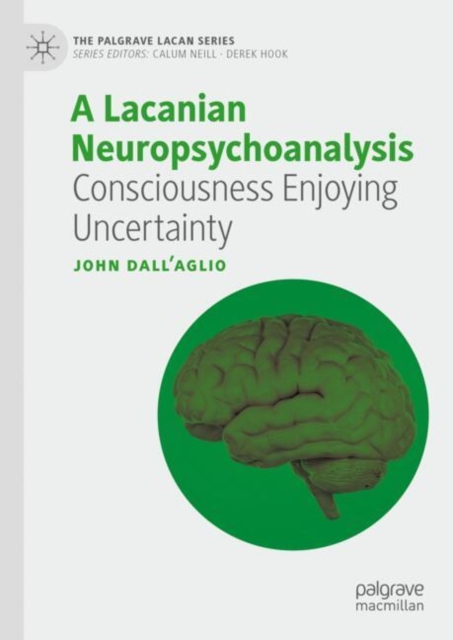
This book brings together Lacanian psychoanalysis, neuropsychoanalytic work by Mark Solms and Ariane Bazan, Jaak Panksepp's affective neuroscience, Karl Friston's free energy principle, Adrian Johnston's transcendental materialist philosophy, and Darian Leader's critique of jouissance in Lacanian theory.
This book brings together Lacanian psychoanalysis, neuropsychoanalytic work by Mark Solms and Ariane Bazan, Jaak Panksepp's affective neuroscience, Karl Friston's free energy principle, Adrian Johnston's transcendental materialist philosophy, and Darian Leader's critique of jouissance in Lacanian theory.
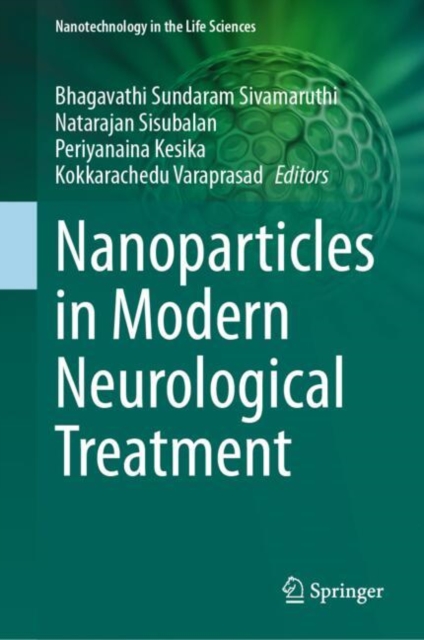
"e;Nanoparticles in Modern Neurological Treatment"e; provides a comprehensive exploration of the promising field of nanoparticles and their applications in neurology.
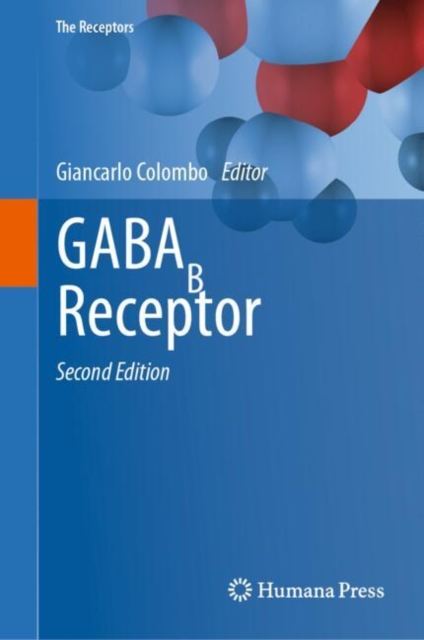
This new edition presents an up-to-date, comprehensive overview of the GABAB receptor system, including a particular focus on the most recent therapeutic applications and potential.
This new edition presents an up-to-date, comprehensive overview of the GABAB receptor system, including a particular focus on the most recent therapeutic applications and potential.
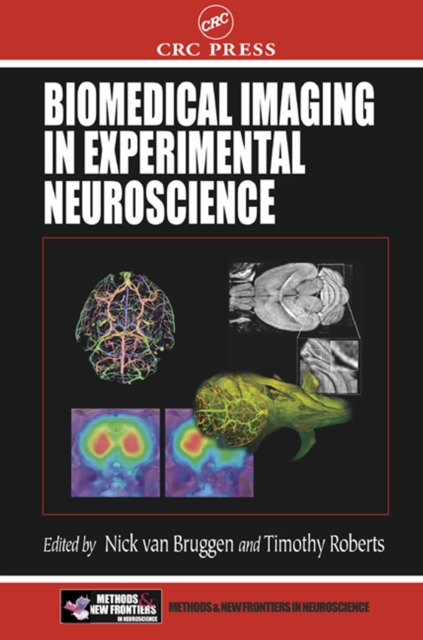
With the emergence of genetically manipulated laboratory mice as one of the most powerful tools for neuroscientists, imaging techniques capable of providing anatomical and functional information of small animals have become extremely important.
The Immune System: Mental Health and Neurological Conditions fully investigates how immune-related cellular, molecular and anatomical changes impact mental functioning.
This second edition volume expands on the previous edition with updated protocols on basic techniques of radioligand binding, allosteric modulation, visualization and antibody use, and autoradiography and non-neuronal acetylcholine detection.
This second edition volume expands on the previous edition with updated protocols on basic techniques of radioligand binding, allosteric modulation, visualization and antibody use, and autoradiography and non-neuronal acetylcholine detection.
Unveil the next frontier in neurodegenerative disorder research with Integrating Neuroimaging, Computational Neuroscience, and Artificial Intelligence.
The first edition of The Female Brain laid the groundwork for gaining a better understanding of the female brain, examining the evidence for structural and functional differences between the brains of males and females.
This is the first book to extensively explore the current state-of-the-art and promise of engram cells, the closest physical approximation of the memory trace to date.
According to the OECD (Organization for Economic Cooperation and Development), in the21st century, we are living in a New Age of Biology, acknowledging the rapid developmentof transformative findings in the life sciences.
The Auditory Cerebellum: Function and Dysfunction focuses on the sensory and cognitive aspects of the cerebellum, with an emphasis on hearing, speech, music, speaking, and singing.
Prion-related diseases, known as transmissible spongiform encephalopathies (TSEs), are infectious, fatal neurodegenerative disorders for which there is no cure, treatment, nor even a means for early diagnosis.
This title primarily focuses on the functional mechanisms and roles of Ca2+ channels in the central nervous system, and the effects of Ca antagonists on cytosolic CA2+ by blocking voltage sensitive channels.
This title primarily focuses on the functional mechanisms and roles of Ca2+ channels in the central nervous system, and the effects of Ca antagonists on cytosolic CA2+ by blocking voltage sensitive channels.
Essential Microbiology and Hygiene for Food Professionals is an accessible and practical introduction, providing the basic science relating to microorganisms in food.
Stem Cells in Neurotoxicology, Volume Twelve in the Advances in Neurotoxicology series, presents interesting chapters written by an international board of authors.
Psychology of Emotion reviews both theory and methods in emotion science, exploring findings about the brain; the function, expression, and regulation of emotion; similarities and differences due to gender and culture; the relationship between emotion and cognition; and emotion processes in groups.
This workbook provides a collection of experiments and observations that use physical materials (rather than digital displays or resources) to reveal fundamental properties of the human visual system.
Para Mark Solms, uno de los pensadores más audaces de la neurociencia contemporánea, descubrir cómo surge la conciencia ha sido la búsqueda de toda una vida.
Health Neuroscience is a new interdisciplinary field encompassing research from cognitive, affective, and social neuroscience, health psychology, physical and mental health, and science of behavior change.
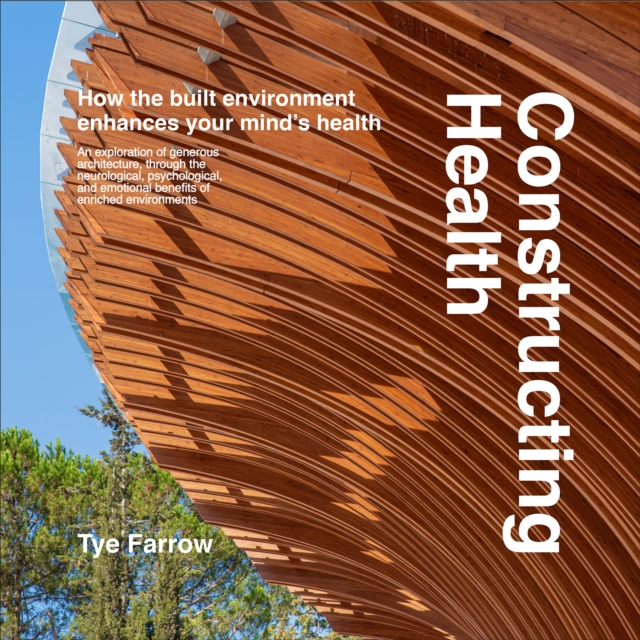
Globally renowned architect Tye Farrow bridges the gap in knowledge between the therapeutic medical world and the design community to reveal how the intentional shaping of our environment can support our physical and neurological well-being.