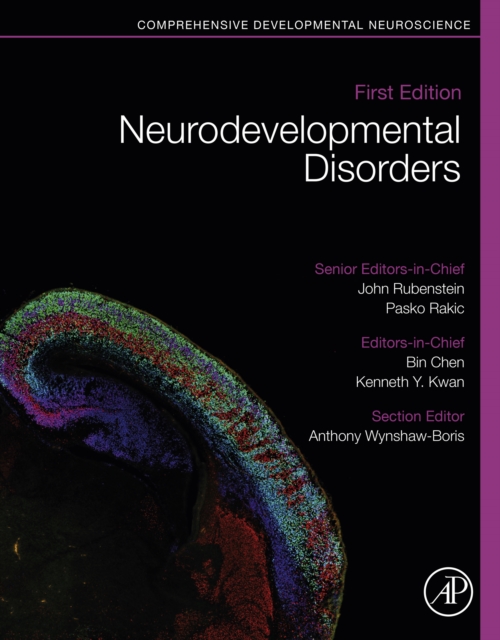
Neurodevelopmental Disorders, the latest release in the Comprehensive Developmental Neuroscience series, presents the most thorough coverage available, addressing all aspects on how the nervous system and its components develop.
Stress Resilience: Molecular and Behavioral Aspects presents the first reference available on the full-breadth of cutting-edge research being carried out in this field.
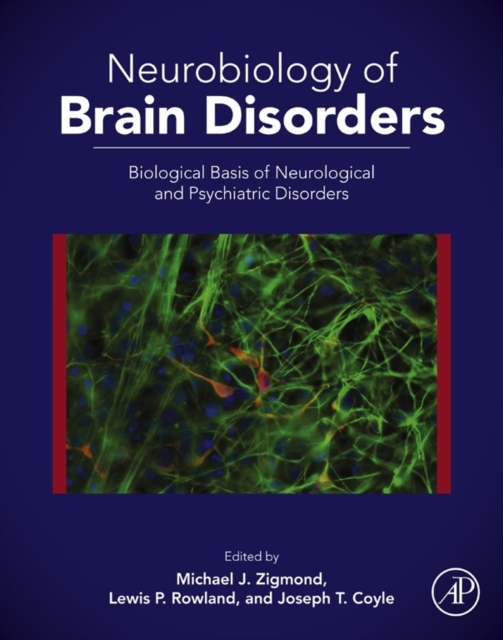
Neurobiology of Brain Disorders is the first book directed primarily at basic scientists to offer a comprehensive overview of neurological and neuropsychiatric disease.
Arachnoid Cysts: Clinical and Surgical Management gives a broad and updated presentation of the condition, including symptomatology, diagnostics, management and treatment.
Identification of Neural Markers Accompanying Memory is a fresh and novel volume of memory study, providing up-to-date and comprehensive information for both students and researchers focused on the identification of neural markers accompanying memory.
The Zebrafish: Cellular and Developmental Biology, Part B Developmental Biology, the second volume on the topic in the Methods in Cell Biology series, looks at methods for analyzing cellular and developmental biology of zebrafish.
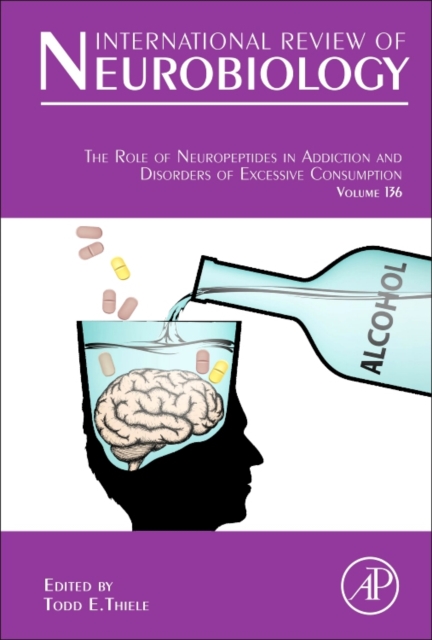
The Role of Neuropeptides in Addiction and Disorders of Excessive Consumption, Volume 136 in the International Review of Neurobiology series, provides an overview of the top candidate neuropeptides in the modulation of alcohol and drug abuse, also covering eating disorders and obesity.
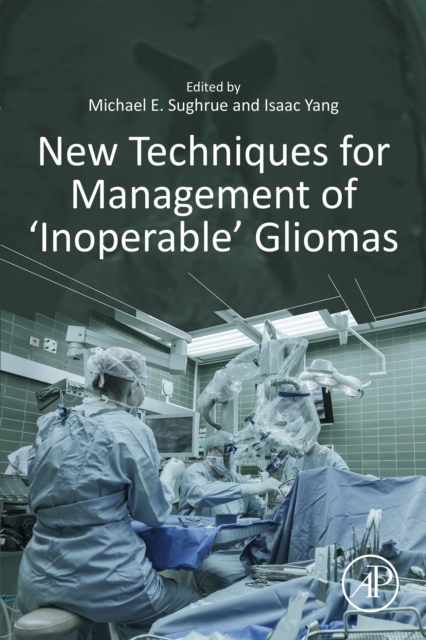
New Techniques for Management of 'Inoperable' Gliomas radically challenges the assumption that certain gliomas cannot be removed with modern techniques, contesting stereotypical thinking and establishing new paradigms in the field.
Handbook of in Vivo Neural Plasticity Techniques, Volume 28: A Systems Neuroscience Approach to the Neural Basis of Memory and Cognition gives a comprehensive overview of the current methods and approaches that are used to study neural plasticity from a systems neuroscience perspective.
Ethical Dimensions of Commercial and DIY Neurotechnologies Volume Three, the latest release in the Developments in Neuroethics and Bioethics series, highlights new advances in the field, with this new volume presenting interesting chapters on timely topics surrounding neuroethics and bioethics.
Neuromonitoring Techniques: Quick Guide for Clinicians and Residents provides a quick and easy guide to understanding various neuromonitoring equipment.
Electrophysiology Measurements for Studying Neural Interfaces helps readers to choose a proper cell line and set-up for studying different bio-electronic interfaces before delving into the electrophysiology techniques available.
Sleep and Affect: Assessment, Theory, and Clinical Implications synthesizes affective neuroscience research as it relates to sleep psychology and medicine.
Neural Mechanisms of Addiction is the only book available that synthesizes the latest research in the field into a single, accessible resource covering all aspects of how addiction develops and persists in the brain.
Cognition and Addiction: A Researcher's Guide from Mechanisms Towards Interventions provides researchers with a guide to recent cognitive neuroscience advances in addiction theory, phenotyping, treatments and new vistas, including both substance and behavioral addictions.
Neuroscience of the Nonconscious Mind includes novel concepts and insights on the brain mechanisms that control nonconscious mental functions, some of which were developed in the author's laboratory.
Central Serous Chorioretinopathy discusses the mechanisms, pathogenesis and risk factors of CSCR, findings on various imaging modalities, available treatment options, and translational research into new treatment options for CSCR management.
Epigenetics, Volume 151, the latest release in the International Review of Neurobiology series, highlights new advances in the field, with this new volume presenting interesting chapters on a variety of comprehensive topics, including Histone modifications in Alcohol use disorder, Non-coding RNAs: Regulators of alcohol actions, Epigenetics and Neuroinflammation in Psychiatric disorders, DNA methylation and Neurodevelopmental disease, Epigenetic inheritance in substance use disorders, THC, Epigenetics and schizophrenia, and more.
Diagnosis, Management and Modeling of Neurodevelopmental Disorders: The Neuroscience of Development is a comprehensive reference on the diagnosis and management of neurodevelopment and associated disorders.
In recent years there has been increased recognition of the global burden of mental disorders, which in turn has led to the expansion of preventive initiatives at the community and population levels.
Signal Processing in Auditory Neuroscience: Temporal and Spatial Features of Sound and Speech discusses how the physical attributes of different sounds manifest in neural signals and how to tease-apart their different influences.
Tuberculous Meningitis: Manual of Diagnosis and Therapy focuses on the most common and most lethal manifestation of tuberculosis of the central nervous system.
The Neuromodulation Casebook is a case-based volume for practical, hands-on decision-making using realistic case examples from the field of neuromodulation.
Imaging in Movement Disorders: Imaging in Movement Disorder Dementias and Rapid Eye Movement Sleep Behavior Disorder, Volume 144 provides an up-to-date textbook on the use of imaging modalities across the spectrum of movement disorders and dementias.
Factors Affecting Neurological Aging: Genetics, Neurology, Behavior, and Diet is a comprehensive reference on the genetic and behavioral features associated with neurological aging and associated disorders.
Machine Learning is an area of artificial intelligence involving the development of algorithms to discover trends and patterns in existing data; this information can then be used to make predictions on new data.
Handbook of Brain Tumor Chemotherapy, Molecular Therapeutics, and Immunotherapy, Second Edition, provides a comprehensive overview of the molecular methodologies in the neuro-oncology field.
This book gives an overview of the current knowledge on the most common neurodegenerative diseases, including Alzheimer's disease, frontotemporal lobar degeneration, Lewy body dementia,Parkinson's disease, amyotrophic lateral sclerosis, and additional less common neurodegenerative diseases.
Body, Brain, Behavior: Three Views and a Conversation describes brain research on the frontiers, with a particular emphasis on the relationship between the brain and its development and evolution, peripheral organs, and other brains in communication.
This textbook goes beyond introductory sensory perception by incorporating supplementary electronic materials to demonstrate the parallels between both hearing and seeing.
The work described here investigates the advantages and limitations of using laser light for the deep in-vivo illumination and micromanipulation of the neuronal system in zebrafish.
This volume addresses one of the Holy Grails in Psychiatry, namely the evidence for and potential to adopt 'Biomarkers' for prevention, diagnosis, and treatment responses in mental health conditions.
This volume gives an overview of new insights to alcohol pharmacology using DREADDs (Designer Receptors and Unraveling the Neuropharmacology of Alcohol).
This volume connects current ideas and concepts about sleep functions and circadian rhythms with the search for novel target-selective sleep-wake therapeutics.
This thoroughly updated and extended edition covers the various cerebral visual disorders acquired after brain injury, as well as the rehabilitation techniques used to treat them.
Biomarkers in Bipolar Disorders summarizes cutting-edge findings in biomarkers' research, emphasizing the most promising findings, tools and technologies relevant to drug development and personalized medicine.
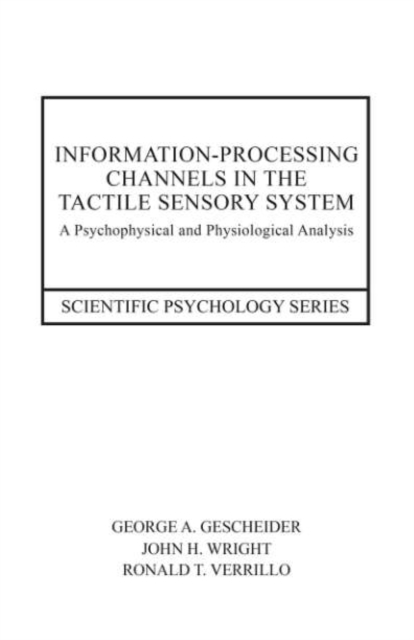
Information-Processing Channels in the Tactile Sensory System addresses the fundamental question of whether sensory channels, similar to those known to operate in vision and audition, also operate in the sense of touch.
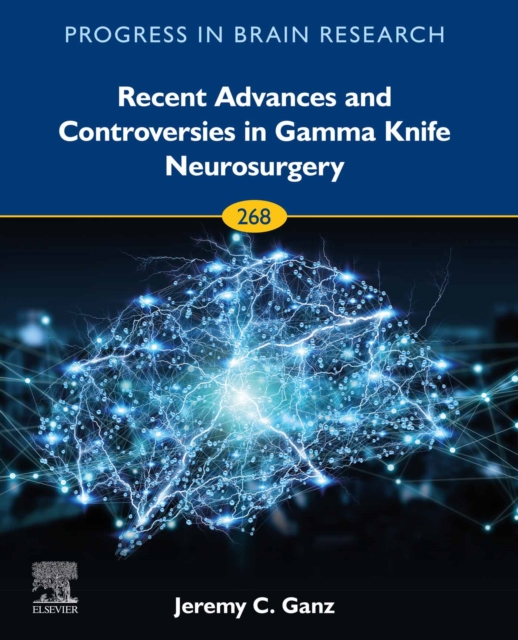
Recent Advances and Controversies in Gamma Knife Neurosurgery, Volume 268, the latest release in the Progress in Brain Research series, highlights new advances in the field with this new volume presenting interesting chapters on the latest in Dosimetry, Radiobiology, Evolving Gamma Knife Technology, Imaging, Arteriovenous Malformations, Dural A-V Fistulae, Cavernous Malformations, Vestibular Schwannoma, Other Schwannoma, Meningiomas, Pituitary Adenomas, Craniopharyngiomas, Metastases, Glioma Low Grade, Glioma High Grade, Glomus Tumors, Less Common Tumors, Orbital Indications, Trigeminal Neuralgia, Epilepsy, Movement, Psychosurgery, and Future Trends.