Essential Clinically Applied Anatomy of the Nerves in the Head and Neck presents the reader with an easy access format to clinically-applied peripheral nervous system (PNS) anatomy.
Anatomy of Neuropsychiatry presents the anatomical systems that take part in the scientific and clinical study of emotional functions and neuropsychiatric disorders.
The study of the brain continues to expand at a rapid pace providing fascinating insights into the basic mechanisms underlying nervous system illnesses.
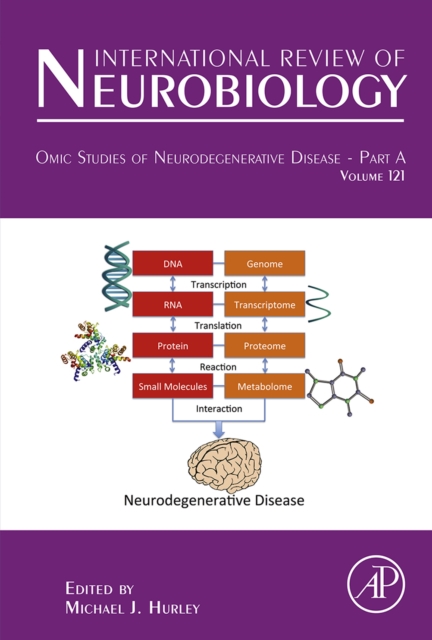
Omic Studies of Neurodegenerative Disease: Part A is part of a well-established international series on neuroscience that examines major areas of basic and clinical research, along with emerging and promising subfields.
The field of neurology is being transformed, from a therapeutically nihilistic discipline with few effective treatments, to a therapeutic specialty which offers new, effective treatments for disorders of the brain and spinal cord.
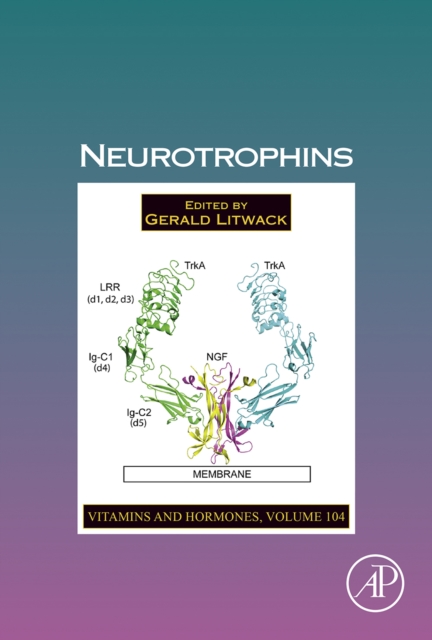
Neurotrophins, the latest volume in the Vitamins and Hormones series first published in 1943, and the longest-running serial published by Academic Press, provides up-to-date information on crystal structures and basic structural studies on neurotrophins and their receptors, neurotrophin functions, and the biological actions of neurotrophins related to clinical conditions and disease.
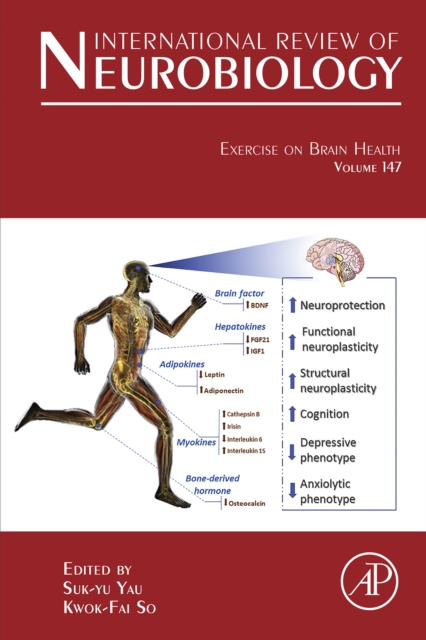
Exercise on Brain Health, Volume 147 in the International Review of Neurobiology series, highlights new advances in the field, with this new volume presenting interesting chapters on Exercise on bipolar disorder in humans, Exercise on Parkinson's disease in humans, Exercise on spinal cord injury in animals, Exercise on spinal cord injury in humans, Exercise promotes synaptic plasticity, Exercise promotes neural connectivity, Exercise on spinogenesis, Peripheral-central crosstalk of exercise on brain health, Exercise and Parkinson's, Exercise on binge alcohol consumption, Exercise on depression, and Exercise on chronic fatigue syndrome, and more.
Environmental Factors in Neurodegenerative Diseases, Volume One addresses contemporary advances in neurotoxicology, with thematic volumes providing authoritative review articles on key issues in the field.
The Linguistic Cerebellum provides a comprehensive analysis of this unique part of the brain that has the most number of neurons, each operating in distinct networks to perform diverse functions.
Brain imaging technology remains at the forefront of advances in both our understanding of the brain and our ability to diagnose and treat brain disease and disorders.
This second edition of CNS Regeneration updates the burgeoning field of regeneration in the Central Nervous System (CNS) from molecular, systems, and disease-based perspective.
Neurotechnology and Brain Stimulation in Pediatric Psychiatric and Neurodevelopmental Disorders provides a comprehensive overview of neurotechnological devices as potential treatments for psychiatric and neurodevelopmental disorders in children and adolescents.
Eating disorders (EDs) affect at least 11 million people in the United States each year and spread across age, race, ethnicity and socio-economic class.
The Auditory System and Human Sound-Localization Behavior provides a comprehensive account of the full action-perception cycle underlying spatial hearing.
Functional Neural Transplantation IV: Translation to Clinical Application, Part B, Volume 231 provides the current status of cell transplantation in the nervous system, focusing on the conditions for achieving structural repair and functional recovery.
Emotions, Technology, Design, and Learning provides an update to the topic of emotional responses and how technology can alter what is being learned and how the content is learned.
This well-established international series examines major areas of basic and clinical research within neuroscience, as well as emerging and promising subfields.
Year One of Practice Transition: The Necessary Guide to Success is a practical guide for both established physicians transitioning from one practice opportunity to another, and those transitioning from formal residency or fellowship training.
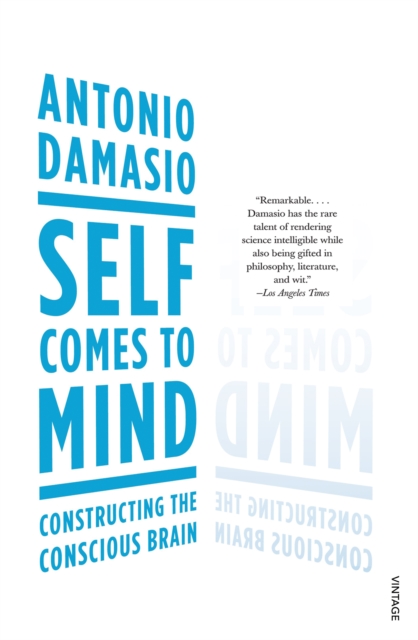
This engaging and readable book provides an introduction to consciousness that does justice both to the science and to the philosophy of consciousness, that is, the mechanics of the mind and the experience of awareness.
Introduction to Deep Learning and Neural Networks with Python(TM): A Practical Guide is an intensive step-by-step guide for neuroscientists to fully understand, practice, and build neural networks.
Neurobiology of Brain Disorders: Biological Basis of Neurological and Psychiatric Disorders, Second Edition provides basic scientists a comprehensive overview of neurological and neuropsychiatric disease.
Artificial Intelligence for Neurological Disorders provides a comprehensive resource of state-of-the-art approaches for AI, big data analytics and machine learning-based neurological research.
Will give pleasure to anyone interested in original thinking about the brain Breathtakingly original Financial Times The trailblazing investigation of a question that has confounded us for centuries: how is consciousness created?
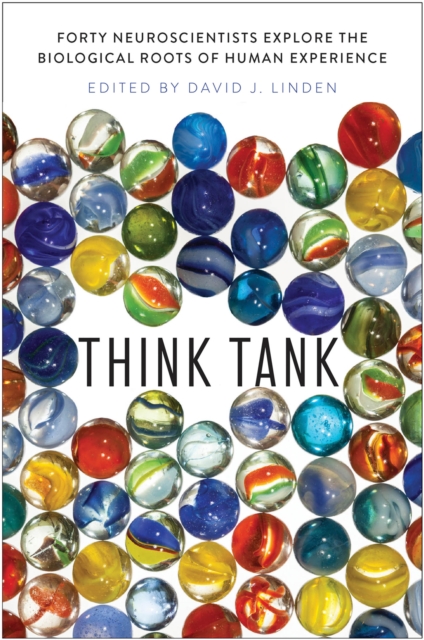
Essays that explore quirky, counterintuitive aspects of brain function and "e;make us realize that what goes on in our minds is nothing short of magical"e; (Scientific American).
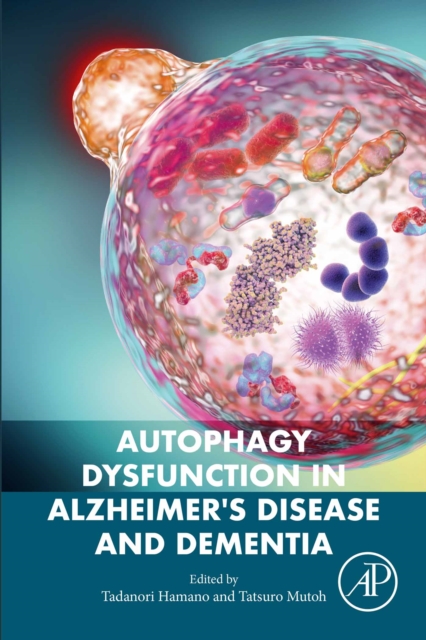
Autophagy Dysfunction in Alzheimer's Disease and Dementia provides an overview for researchers and clinicians on the mechanisms involved in protein degradation in Alzheimer's.
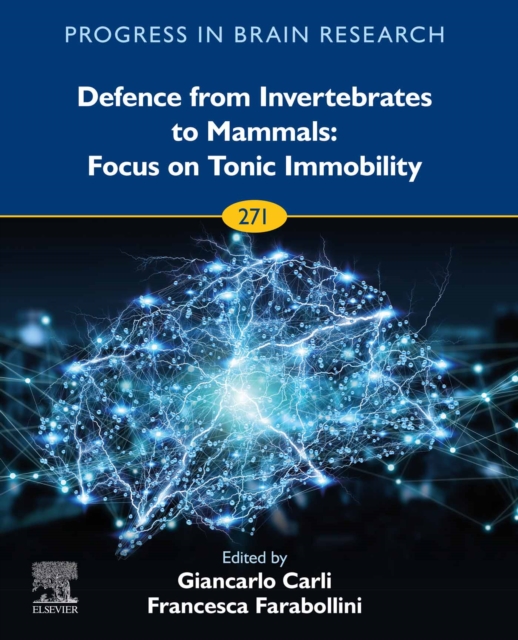
Defence from Invertebrates to Mammals: Focus on Tonic Immobility, Volume 273 in the Progress in Brain Research series, highlights new advances in the field.
Covid-19 and Parkinsonism, Volume 165 in the International Review in Neurobiology series, highlights new advances in the field with this new volume presenting interesting chapters that cover a variety of topics, including Parkinsonism associated with viral infections, Covid-19 and nervous system pathology: bench to bedside, Prevalence of Covid-19 in Parkinson's Disease: acute settings and hospital, Covid-19 and Parkinson's Disease: clinical features, long COVID, Smell deficits in Covid-19 and possible links with Parkinson's Disease, Spotlight on non-motor symptoms and Covid-19, and a Summary of treatment paradigms in Parkinson's Disease patients and Covid-19.
Global Emergency of Mental Disorders is a comprehensive, yet easy-to-read overview of the neurodevelopmental basis of multiple mental disorders and their accompanying consequences, including addiction, suicide and homelessness.
Methodological Approaches for Sleep and Vigilance Research examines experimental procedures used to study the sleep-wake cycle, with topics covered by world leaders in the field.
Modelling: The Oculomotor Systems, Volume 269 in the Progress in Brain Research serial highlights new advances in the field with this new volume presenting interesting chapters on topics including The function and phylogeny of eye movements, The behavior of motoneurons, Statics of plant mechanics, Dynamics of plant mechanics, The functional operation of the vestibulo-ocular reflex, Basic framework of the vestibulo-ocular reflex, Oculomotor signals, Signal processing in the vestibulo-ocular reflex, Plasticity and repair of the vestibulo-ocular reflex, The behavior of the optokinetic system, Models of the optokinetic system, Neurophysiology of the optokinetic system, and much more.
A neuroscientist reveals unique aspects of decision-making and the best strategies for protecting and enhancing the brain’s ability to navigate life’s uncertainties Contingency calculations—the ability to predict the outcomes of decisions and actions—are critical for survival and success.
Introduction to Addiction, Volume One in the series, introduces the reader to the study of neurobiology of addiction by clearly defining addiction and its neuroadaptational views.
Cognition in Parkinson's Disease, Volume 269 in the Progress in Brain Research series, highlights new advances in the field, with this new volume presenting interesting chapters on a variety of timely topics, including Cognition in Prodromal Parkinson's disease, The epidemiology of cognitive function in Parkinson's disease, Real-life consequences of cognitive dysfunction in Parkinson's disease, Animal models of cognition in Parkinson's disease, Functional neuroanatomy of cognition in Parkinson's disease, Neuroimaging approaches to cognition in Parkinson's disease, Cognitive dysfunction and neuropsychiatric aspects of Parkinson's disease, Neuropsychology of Parkinson's disease, Cholinergic Systems, Attentional-Motor Integration, and Cognitive Control in Parkinson Disease, and much more.
Zika Virus Biology, Transmission, and Pathways: The Neuroscience of Zika, Volume One provides a detailed introduction to the molecular biology of the Zika virus and its features, transmission, and impact on neurological systems.
Primer on the Autonomic Nervous System, Fourth Edition provides a concise and accessible overview of autonomic neuroscience for students, scientists, and clinicians.
Microbiome in Neurological Disease, Volume 167 in the International Review of Neurobiology series, highlights new advances in the field, with this new volume presenting interesting chapters written by an international board of authors.
A current survey and synthesis of the most important findings in our understanding of the neurobiological mechanisms of addiction are detailed in our Neurobiology of Addiction series, each volume addressing a specific area of addiction.
Practical Stress Management, Eighth Edition emphasizes a positive approach to stress management, covering topics such as relaxation techniques, coping with anxiety, managing anger, communication skills, exercise and nutrition.
Tinnitus and Hyperacusis: Facts, Theories, and Clinical Implications provides an overview on this burgeoning field, covering the underlying mechanisms and potential treatments for these disorders.