This book provides a thorough introduction to widely used techniques for the study of the intersection between developmental biology and neuroscience, an exceptional area to address and investigate impacting biological questions.
The chapters in this book are based on the Visceral Pain conference in Adelaide, Australia, under the auspices of the International Federation for Neurogastroenterology and Motility in 2021.
Sleep disorders are very common among women during their lifespan, presenting in isolation or in combination with other illnesses particularly psychiatric and neurologic disorders.
In the last decade, several different optical imaging techniques, either based on various voltage or calcium dyes, or more recently on modified fluorescent or bioluminescent proteins (genetically encoded) that are sensitive to calcium, have been developed to study neuronal activity, and especially groups of neurons, with the goal of mapping and deciphering the neural code underlying major neurophysiological functions.
El deporte y el ejercicio físico en general siempre tuvieron adeptos, aunque en estos tiempos la conciencia sobre su valoración para optimizar la calidad de vida convirtió a muchos sedentarios en activistas.
Yasargil Microneurosurgery Study Guide is designed for effective learning and study of the neurosurgical principles contained in seminal microneurosurgery textbooks.
The human brain is made up of billions of neurons that communicate with each other through chemical messengers, which are referred to as neuroactive substances.
This volume discusses different approaches towards understanding the brain plasticity, aging, and regeneration of the nervous system in model organisms.
Yasargil Microneurosurgery Study Guide is designed for effective learning and study of the neurosurgical principles contained in seminal microneurosurgery textbooks.
Fatigue is a major symptom in patients with multiple sclerosis (pwMS) and is mainly responsible for unemployment, early retirement but also social withdrawal.
The CTBN volume Therapeutic Applications of Dopamine D3 Receptor Function reviews the state of the knowledge on the dopamine D3 receptor and its role in human behavior and disease (i.
Through the use of extended graphical abstracts and some traditional text-only abstracts this collection provides, a record of and roadmap to, the research presented at The Tenth International Catecholamine Symposium (XICS) held in September of 2012.
Handbook of Nutrition, Diet, and the Eye, Second Edition, thoroughly addresses common features and etiological factors on how dietary and nutritional factors affect the eye.
Metabotropic Glutamate Receptors in Psychiatric and Neurological Disorders, Volume 168 in the International Review of Neurobiology series, highlights advances in the field, with this new volume presenting interesting chapters on topics such as mGlu receptors in Parkinson's disease, Metabotropic glutamate receptors in estradiol-mediated motivated behaviors in females, mGlu regulation of sleep, Implications for sleep disruptions in psychiatric disorders, Mechanisms of mGlu receptor trafficking; alterations by methamphetamine, Group I mGlu and cocaine seeking, The role of mGlu receptors in fear and anxiety, Regulation of Alcohol Consumption, Reward, Dependence, and Perception by Metabotropic Glutamate Receptor Signaling, and mGlu5 as a biomarker for psychiatric disorders.
This book explores the molecular mechanisms of iron hemostasis in the brain and discusses the cognitive and behavioral implications of iron deficiency.
Das essential hat das Ziel, die verschiedenen Forschungszweige zum Thema Umarmung darzustellen und in einer multidisziplinären Perspektive zu vereinen.
Adolescent Psychosis: Clinical and Scientific Perspectives presents new methodologies and novel scientific findings, with a comprehensive orientation into the genetics, phenomenology, nosology, and long-term outcome of adolescent early-onset psychosis research.
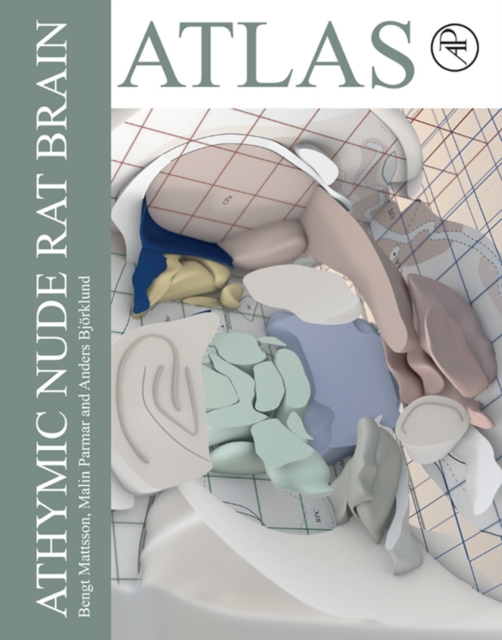
Athymic Nude Rat Brain Atlas will provide the first stereotaxic brain atlas of the athymic nude rat (Crl:NIH-Foxn1rnu), a T-cell deficient rat model commonly used in experimental studies and pre-clinical safety and efficacy studies.
This volume contains up-to-date contributions written by leading experts in the role played by various microorganisms in psychiatric and neurological illness.
This volume covers a wide range of approaches utilized to decipher cellular and molecular mechanisms that contribute to successful nerve regeneration leading to functional recovery.
This study blends together ethical philosophy, neurocognitive-evolutionary studies, and literary theory to explore how imaginative discourse addresses a distinctively human deep sociality, and by doing so helps shape cultural and literary history.
This study blends together ethical philosophy, neurocognitive-evolutionary studies, and literary theory to explore how imaginative discourse addresses a distinctively human deep sociality, and by doing so helps shape cultural and literary history.
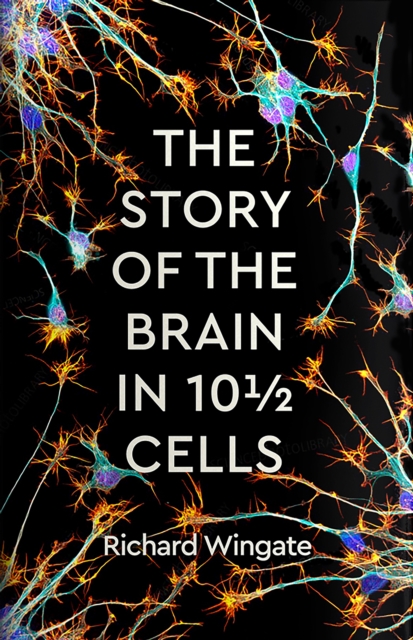
LONGLISTED FOR THE BSHS BRITISH SOCIETY FOR THE HISTORY OF SCIENCE HUGHES PRIZE 2025There are more than 100 billion brain cells in our heads, and every single one represents a fragment of thought and feeling.
Drawing on over four decades of professional and academic experience, Susan Long explores how the concept of the unconscious has evolved from the nineteenth to the twenty-first century, showing that it is more than an individual phenomenon, but also a group, organisational and institutional phenomena.
This volume explores the latest developments in the field and showcases the vast potential of human induced pluripotent stem cells (hiPSCs) in advancing neuroscience research.
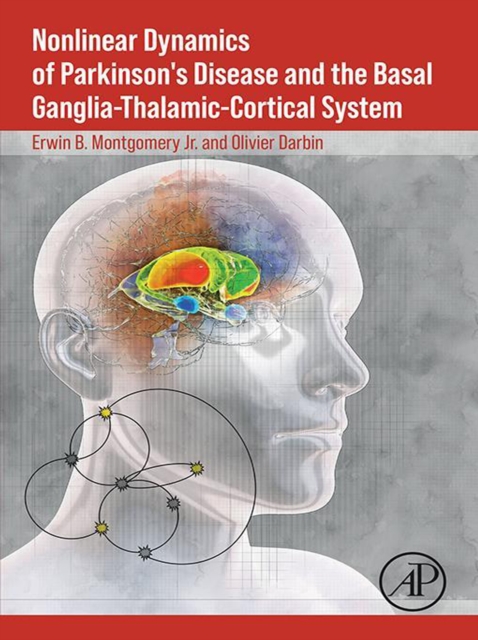
Nonlinear Dynamics of Parkinson's Disease and the Basal Ganglia-Thalamic-Cortical System examines current research regarding the operations of the basal ganglia-thalamic-cortical system that causes neurological disorders like Parkinson's disease.
Nonlinear Dynamics of Parkinson's Disease and the Basal Ganglia-Thalamic-Cortical System examines current research regarding the operations of the basal ganglia-thalamic-cortical system that causes neurological disorders like Parkinson's disease.