Possibly the first textbook to present a practically applicable ecosystems theory, Introduction to Systems Ecology helps readers understand how ecosystems work and how they react to disturbances.
A complete background to concepts and principles of behavioral genetics, Neurobehavioral Genetics: Methods and Applications, Second Edition features a broad spectrum of the most current techniques in neurobehavioral genetics in a single source.
Essential for the laboratory, this practical manual presents a wide variety of techniques associated with the use of human CNS tissue obtained at autopsy.
Research has generated a number of advances in methods for spatial cluster modelling in recent years, particularly in the area of Bayesian cluster modelling.
With over 70 species still populating the world's oceans after approximately 500 million years, hagfishes are essential benthic organisms that play a vital role in understanding the evolutionary origins of vertebrate life and the maintenance of the oceanic ecosystem.
Continuing the tradition set by the first and second editions, each a bestseller in its own right, the third edition of Immunotoxicology and Immunopharmacology provides reviews of environmental agents, updated to reflect the latest information on how these agents influence immune system function and health.
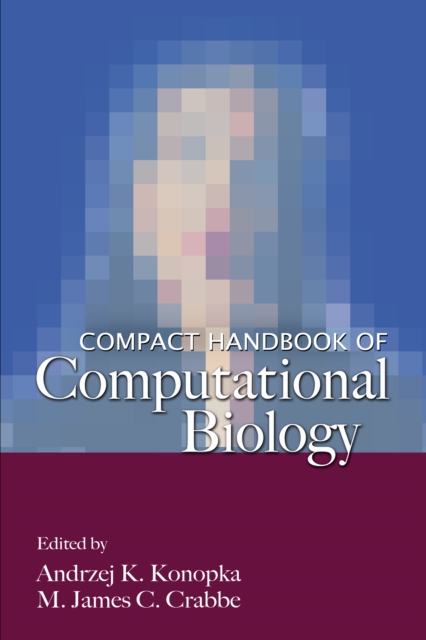
Written by a dynamic team of highly regarded and experienced scientists, many of whom pioneered current methodologies in computer-assisted research in the life sciences, this interdisciplinary handbook covers terminology, software, and applications of computational biology with academic-level precision.
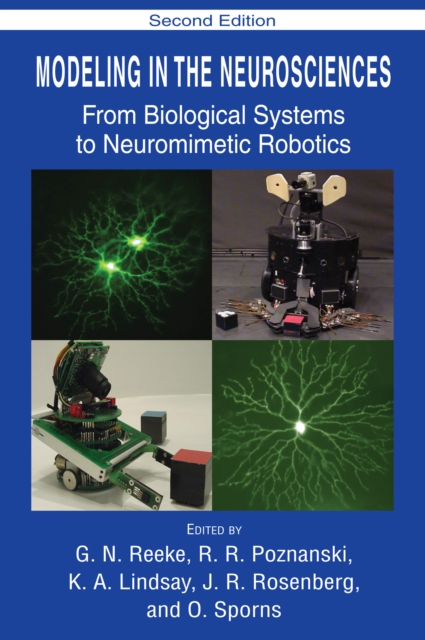
Computational models of neural networks have proven insufficient to accurately model brain function, mainly as a result of simplifications that ignore the physical reality of neuronal structure in favor of mathematically tractable algorithms and rules.
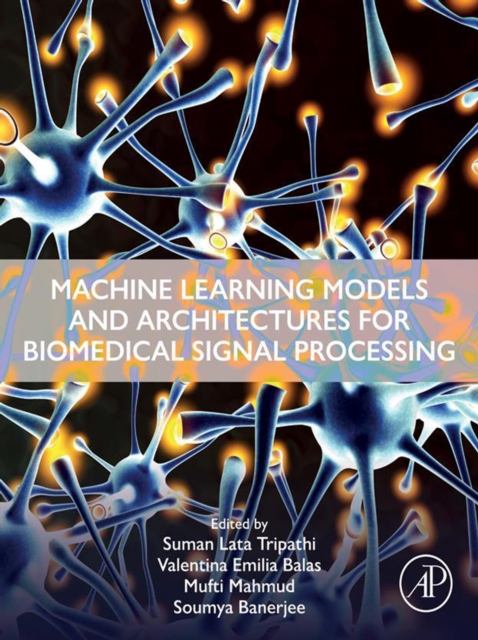
Machine Learning Models and Architectures for Biomedical Signal Processing presents the fundamental concepts of machine learning techniques for bioinformatics in an interactive way.
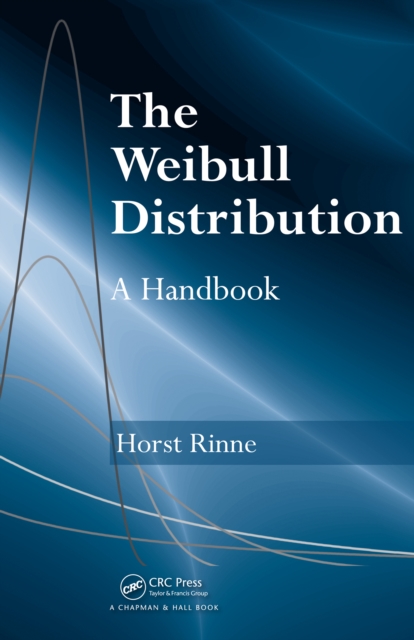
The Most Comprehensive Book on the SubjectChronicles the Development of the Weibull Distribution in Statistical Theory and Applied StatisticsExploring one of the most important distributions in statistics, The Weibull Distribution: A Handbook focuses on its origin, statistical properties, and related distributions.
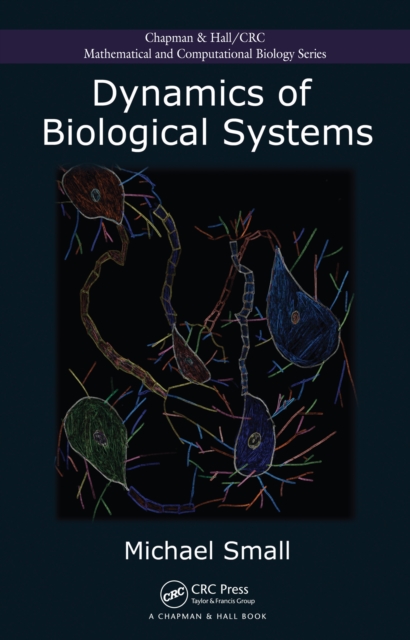
From the spontaneous rapid firing of cortical neurons to the spatial diffusion of disease epidemics, biological systems exhibit rich dynamic behaviour over a vast range of time and space scales.
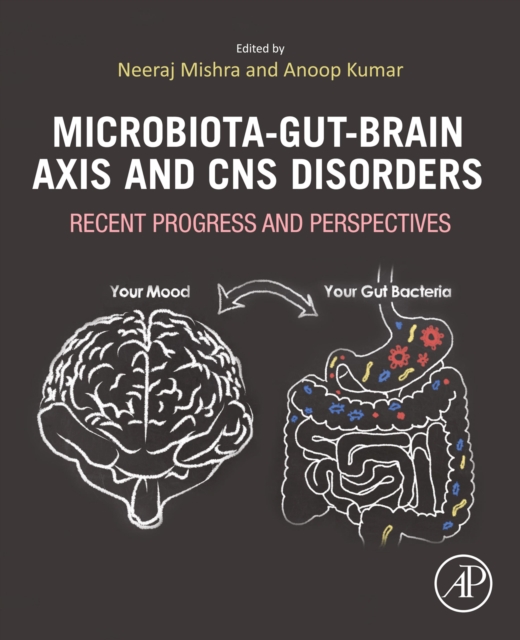
Microbiota-Gut-Brain Axis and CNS Disorders: Recent Progress and Perspectives on Human Disease summarizes the main findings on gut-brain axis in different types of CNS disorders, providing a complete overview of the field.
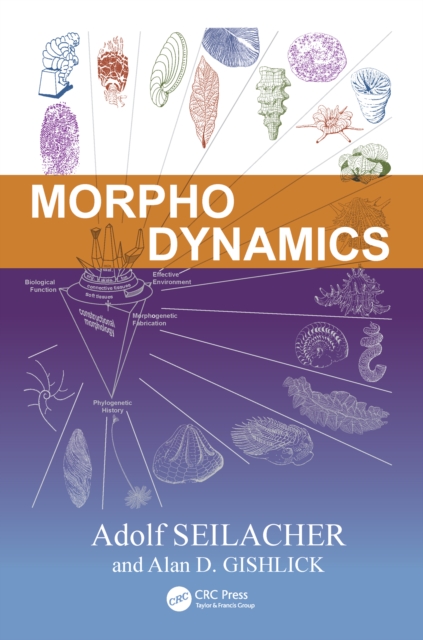
Morphodynamics is defined as the unique interaction among environment, functional morphology, developmental constraints, phylogeny, and time-all of which shape the evolution of life.
In the real world the dynamic behavior of a real machine presents either unforeseen or limiting phenomena: both are undesired, and can be therefore be classified as parasitic phenomena- unwanted, unforeseen, or limiting behaviors.
As part of the Environmental and Ecological Modeling Handbooks series, the Handbook of Ecosystem Theories and Management provides a comprehensive overview of ecosystem theory and the tools - ecological engineering, ecological modeling, ecotoxicology and ecological economics -to manage these systems.
Microbiota-Gut-Brain Axis and CNS Disorders: Recent Progress and Perspectives on Human Disease summarizes the main findings on gut-brain axis in different types of CNS disorders, providing a complete overview of the field.
Through the use of molecular and cellular biological techniques, numerous advances have been made in understanding the molecular basis of virulence mechanisms and toxin biosynthesis in organisms that contaminate food and feed.
Rapid advancements in the application of soft computing tools and techniques have proven valuable in the development of highly scalable systems and resulted in brilliant applications, including those in biometric identification, interactive voice response systems, and data mining.
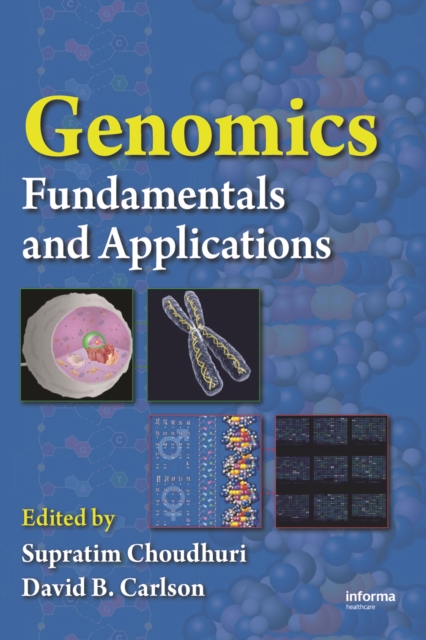
This unique new text delivers a solid foundation for understanding the role of genomics in human health and in advances that promise to help improve the quality of human life.
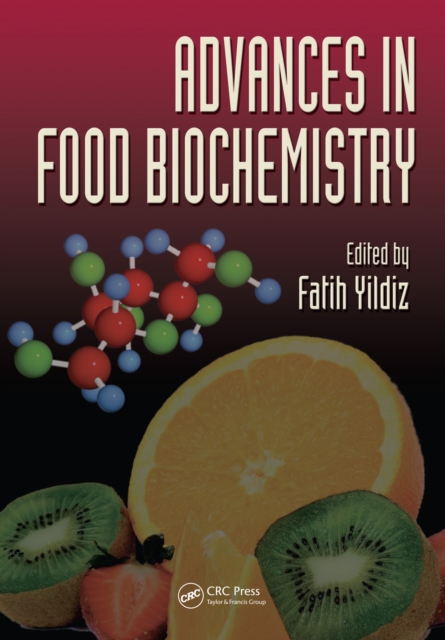
Understanding the biochemistry of food is basic to all other research and development in the fields of food science, technology, and nutrition, and the past decade has seen accelerated progress in these areas.
This book focuses on the most recent developments in bioremediation techniques, exploring how microorganisms can break down different pollutants and the future potential of bioremediation to reduce global pollution levels.
To harness the high-throughput potential of DNA microarray technology, it is crucial that the analysis stages of the process are decoupled from the requirements of operator assistance.
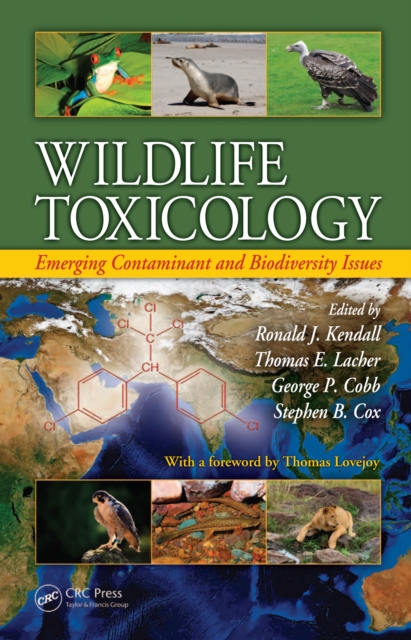
Updating the extremely successful Wildlife Toxicology and Population Modeling (CRC Press, 1994), Wildlife Toxicology: Emerging Contaminant and Biodiversity Issues brings together a distinguished group of international contributors, who provide a global assessment of a range of environmental stressors, including pesticides, environmental contaminant
Thoroughly examining the popular and expanding field of reproductive toxicology, this newly revised and expanded third edition provides the latest, cutting-edge scientific developments in this constantly evolving discipline.
The copious photographs in this book lavishly illustrate the current and future applications for robots in a wide scope of fields such as entertainment, medicine, space exploration, underwater navigation, and many more.
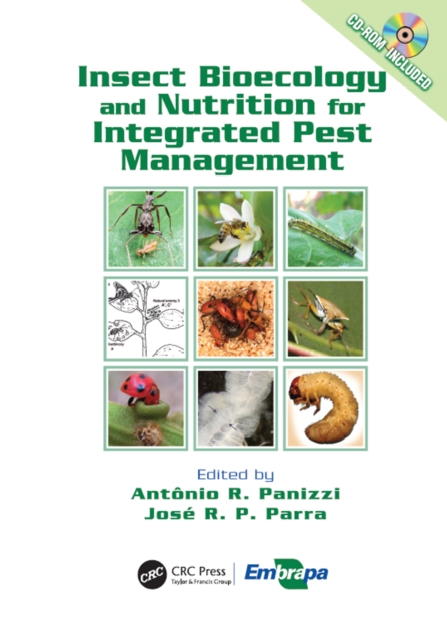
The field of insect nutritional ecology has been defined by how insects deal with nutritional and non-nutritional compounds, and how these compounds influence their biology in evolutionary time.
A Hands-On Approach to Teaching Introductory StatisticsExpanded with over 100 more pages, Introduction to Statistical Data Analysis for the Life Sciences, Second Edition presents the right balance of data examples, statistical theory, and computing to teach introductory statistics to students in the life sciences.
This book tackles complex global issues like vaccination, climate change, environmental ethics, embryo adoption, and surrogate motherhood viewed from the perspective of the global south.