Con la proliferación de textos divulgativos vinculados a las neurociencias, hay montones de "neuromitos" dando vueltas en la sociedad, como el que dice que solo usamos el 10 % de nuestro cerebro o el que sugiere que una persona es más racional o más creativa por ser más de un hemisferio que del otro.
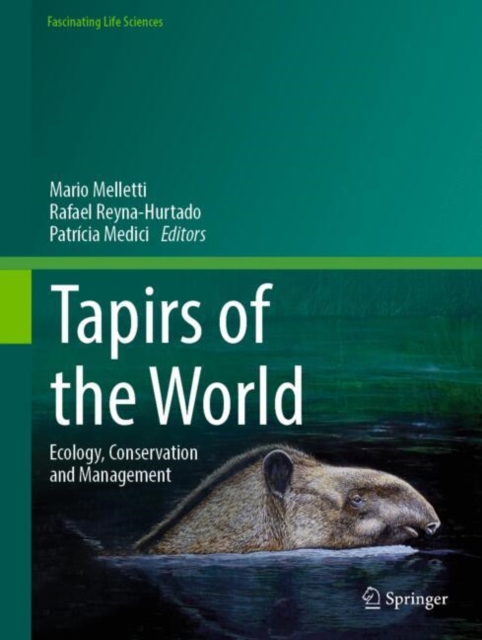
This beautifully illustrated book is the first comprehensive work ever published on all four tapir species worldwide, filling a gap in the scientific literature.
This beautifully illustrated book is the first comprehensive work ever published on all four tapir species worldwide, filling a gap in the scientific literature.
This book makes detailed correlations between psychological/psychoanalytic variables, on one hand, and neuroanatomical/neurophysiological considerations on the other.
Many species of penicillium and aspergillus are important in biotechnology, food, medicine, biodeterioration and other applied fields, so a practical and stable taxonomy is of vital importance.
Written by a well-known expert in reliability engineering, this book presents up-to-date information on robot reliability, safety, and related areas in a single volume, eliminating the need to consult diverse sources.
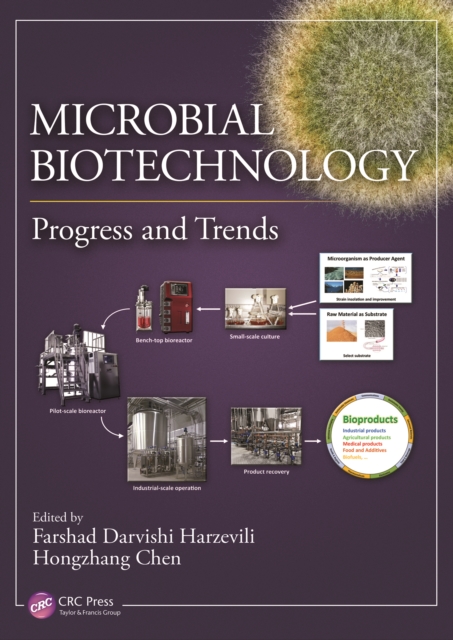
Incorporates the Experiences of World-Class Researchers Microbial Biotechnology: Progress and Trends offers a theoretical take on topics that relate to microbial biotechnology.
This detailed volume collects diverse experimental approaches essential for researchers exploring the intricacies of cardiomyocyte biology and pathology.
This detailed volume collects diverse experimental approaches essential for researchers exploring the intricacies of cardiomyocyte biology and pathology.
This book presents the proceedings of the NeuroIS Retreat 2023, May 30-June 1, Vienna, Austria, reporting on topics at the intersection of information systems (IS) research, neurophysiology and the brain sciences.
This book presents the proceedings of the NeuroIS Retreat 2023, May 30-June 1, Vienna, Austria, reporting on topics at the intersection of information systems (IS) research, neurophysiology and the brain sciences.
Blue Extinction in Literature, Culture, and Art examines literary and cultural representations of aquatic biodiversity loss, bringing together critical perspectives from the blue humanities and extinction studies.
With the successful mapping of the human genome, we have entered an age of unprecedented opportunity in which researchers are beginning to apply this vast repository of knowledge to the treatment of human disease.
Blue Extinction in Literature, Culture, and Art examines literary and cultural representations of aquatic biodiversity loss, bringing together critical perspectives from the blue humanities and extinction studies.
Sustainable Agriculture under Drought Stress: Integrated Soil, Water and Nutrient Management seamlessly blends cutting-edge research with practical applications, offering a unique perspective on tackling this urgent challenge.
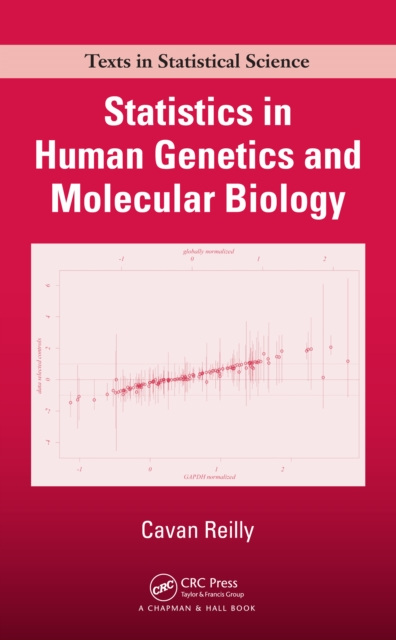
Focusing on the roles of different segments of DNA, Statistics in Human Genetics and Molecular Biology provides a basic understanding of problems arising in the analysis of genetics and genomics.
Reflecting the broad and interdisciplinary nature of toxicology, this third edition of Principles of Toxicology explores the biochemical, physiological, and environmental aspects of the subject.