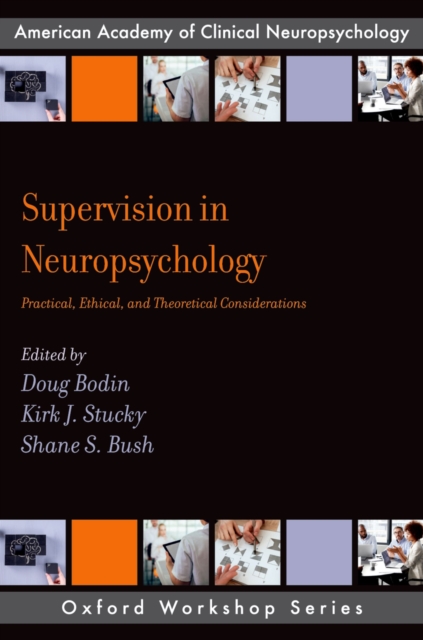
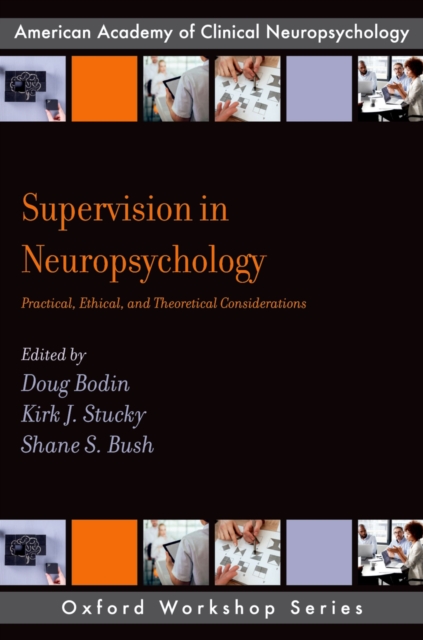
The American Psychological Association now considers clinical supervision an essential professional activity of clinical neuropsychologists, yet most receive very little training in this activity.
The American Psychological Association now considers clinical supervision an essential professional activity of clinical neuropsychologists, yet most receive very little training in this activity.
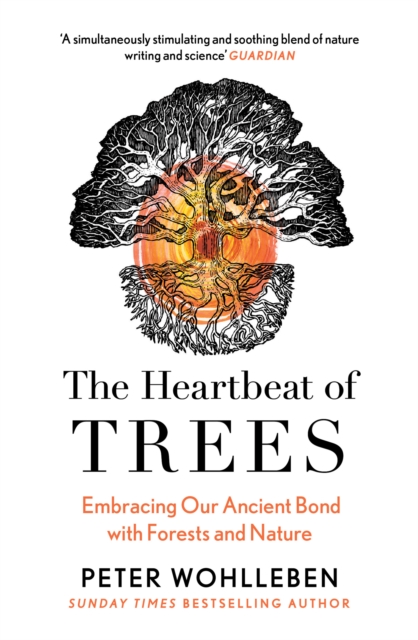
FROM THE AUTHOR OF THE SUNDAY TIMES BESTSELLER, THE HIDDEN LIFE OF TREES'A simultaneously stimulating and soothing blend of nature writing and science .
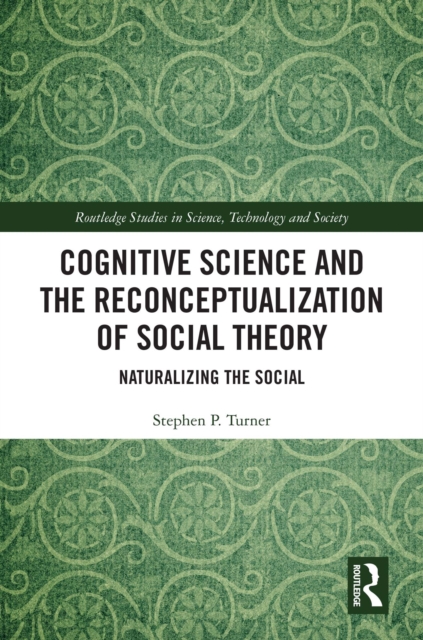
Cognitive Science and the Reconceptualization of Social Theory explores how core social science ideas can be naturalized and reconceptualized through the lens of cognitive science.
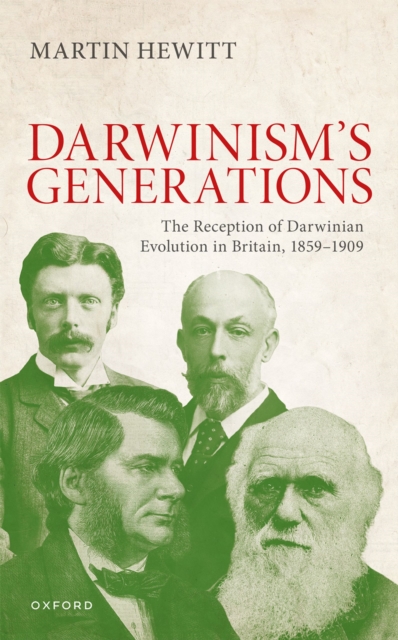
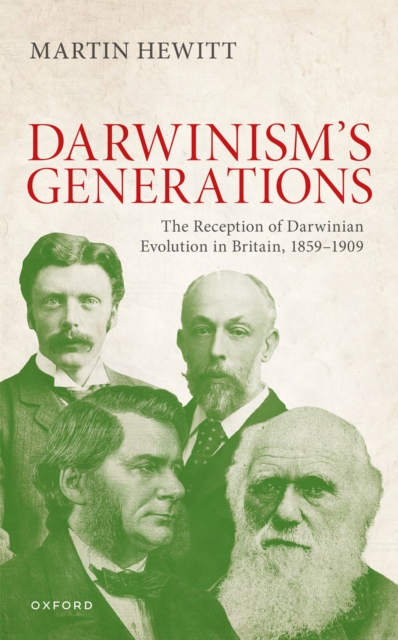
The Reception of Darwinian Evolution in Britain, 1859-1909: Darwinism's Generations uses the impact of Charles Darwin's On the Origin of Species (1859) in the 50 years after its publication to demonstrate the effectiveness of a generational framework for understanding the cultural and intellectual history of Britain in the nineteenth century.
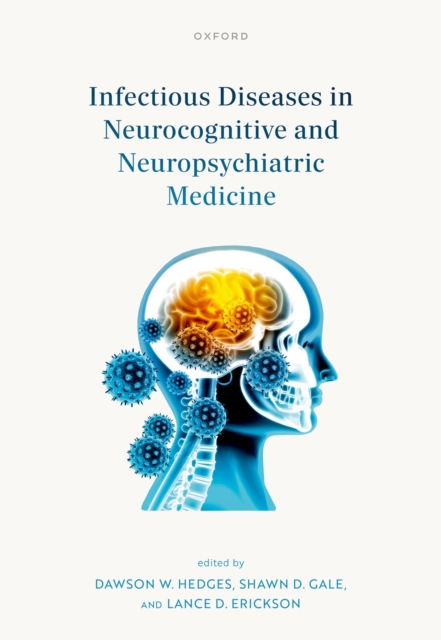
Neurocognitive and neuropsychiatric disorders contribute to a substantial amount of global morbidity and, as such, the identification of their causes is paramount to understanding their underlying pathophysiology as well as treatment and prevention strategies.
Sensory Individuals: Unimodal and Multimodal Perspectives provides an interdisciplinary, well-balanced, and comprehensive look at different aspects of unisensory and multisensory objects, using both nuanced philosophical analysis and informed empirical work.
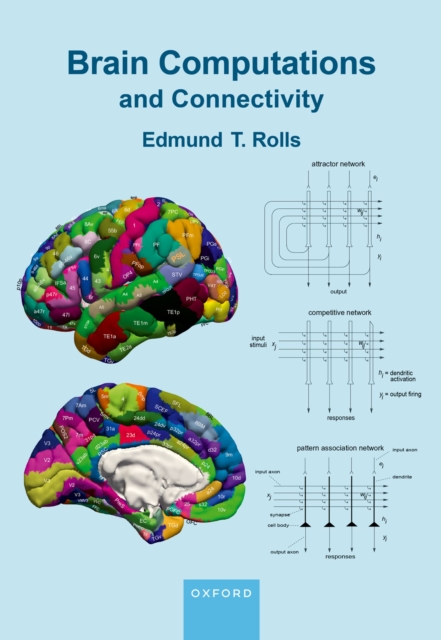
Computational neuroscience is the theoretical study of the brain to uncover the principles and mechanisms that guide the development, organization, information processing, and mental functions of the nervous system.
Roads and transportation infrastructures are among the most extensive human-made transformations on Earth—shaping landscapes, enabling connectivity, and driving economic growth.
The Reception of Darwinian Evolution in Britain, 1859-1909: Darwinism's Generations uses the impact of Charles Darwin's On the Origin of Species (1859) in the 50 years after its publication to demonstrate the effectiveness of a generational framework for understanding the cultural and intellectual history of Britain in the nineteenth century.
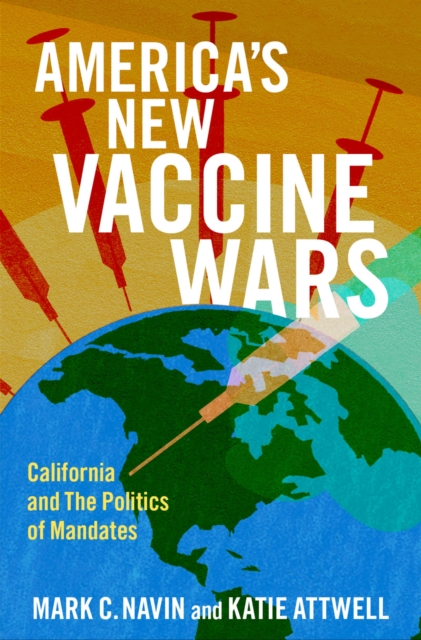
Bioethicist Mark Navin and policy scholar Katie Attwell explore the evolution of American childhood vaccination policy through the prism of political history, contemporary parenthood, and diverse governance strategies.
Regenerative medicine is transforming the way clinicians understand and treat pain—shifting the focus from symptom control to true tissue repair and functional restoration.
Regenerative medicine is transforming the way clinicians understand and treat pain—shifting the focus from symptom control to true tissue repair and functional restoration.
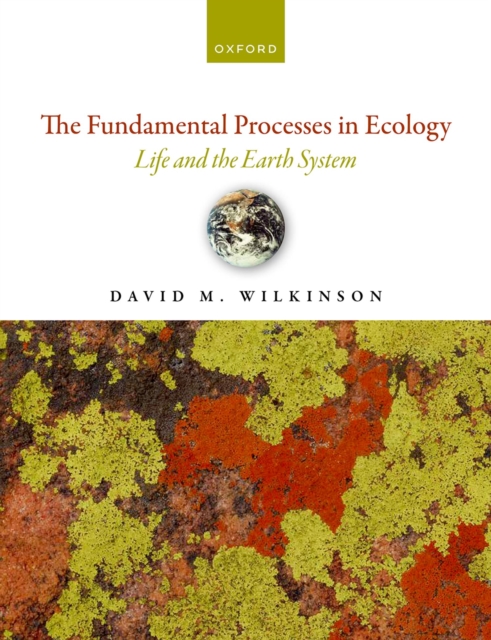
The history of the planet Earth has had periods of being in a distinct state with intervening critical transitions that see it 'flip' between states, for example between a world without atmospheric oxygen to one with a trace of it.
The history of the planet Earth has had periods of being in a distinct state with intervening critical transitions that see it 'flip' between states, for example between a world without atmospheric oxygen to one with a trace of it.
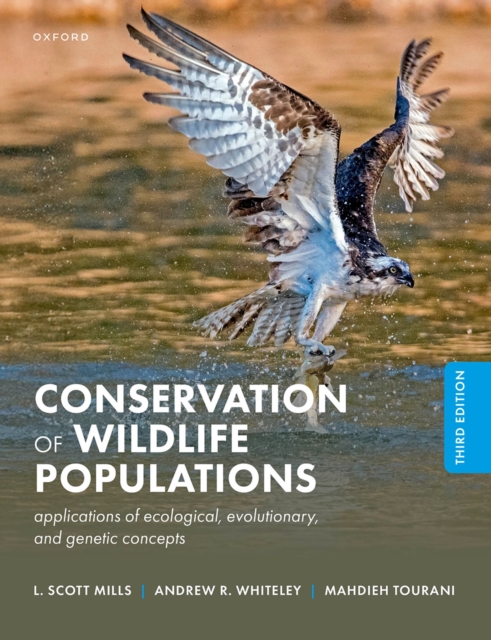
In a world where threats of cataclysmic extinction loom and sustainable harvest approaches are essential, applied population ecology has never been more crucial.
Fundamentals of Developmental Psychobiology: A Brief Account of an Interdisciplinary Science demonstrates how the science of Developmental Psychobiology (DBP) improves our understanding of non-human and human behavioral and psychological development, with consequences for better health care, animal husbandry, ecological conservation, and education.
Charles Darwin presented the first scientific explanation of design through evolution by natural selection, where the environment furnishes individual organisms with adaptations that help them to survive and reproduce.
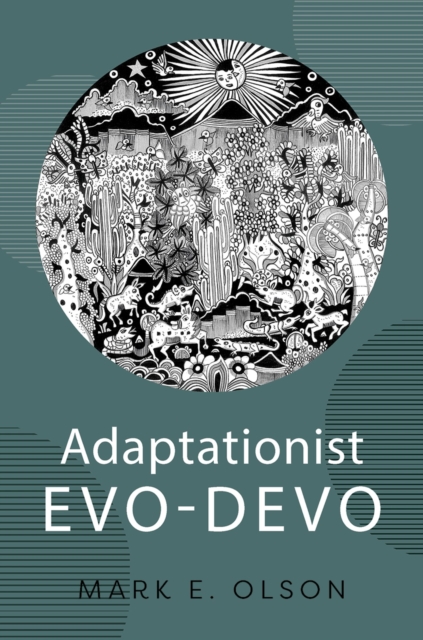
Adaptationist Evo-Devo is a practical and inviting guide to one of biology's most vital ongoing conversations: how to explain the diversity of life by connecting natural selection to the developmental processes that make evolution possible.
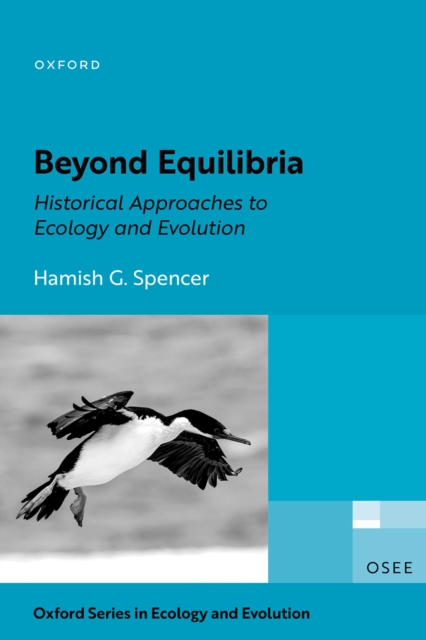
Ecologists and evolutionary biologists, especially those with theoretical and mathematical leanings, have tended to dismiss historical approaches as descriptive, smacking of particularities, allowing few generalizations (or even being untestable), and even antithetical to scientific explanation.
This book enables readers to dissect ongoing and future controversies in science-informed policy, providing a comprehensive understanding of how consensus is built—or thwarted.
Societies around the world are becoming increasingly multicultural, while the range of new or controversial medical procedures that are available to patients also grows.
This title is an exploration of the enzyme carbonic anhydrase (CA) and its inhibitors (CAIs), focusing on its biochemical properties, mechanisms, and wide-ranging applications.
Adaptationist Evo-Devo is a practical and inviting guide to one of biology's most vital ongoing conversations: how to explain the diversity of life by connecting natural selection to the developmental processes that make evolution possible.
This thought-provoking book introduces a way to study ecosystems that is resonant with current thinking in the fields of earth system science, geobiology, and planetology.