Explores the Newly Discovered Link Between Nutrition and EpigeneticsCurrent research suggests that nutrients are more than just food components and that certain nutrients can impact the expression of genes that lead to the development of chronic diseases.
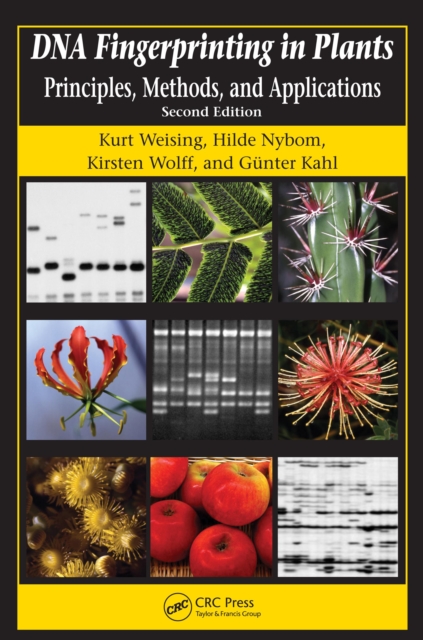
Given the explosive development of new molecular marker techniques over the last decade, newcomers and experts alike in the field of DNA fingerprinting will find an easy-to-follow guide to the multitude of techniques available in DNA Fingerprinting in Plants: Principles, Methods, and Applications, Second Edition.
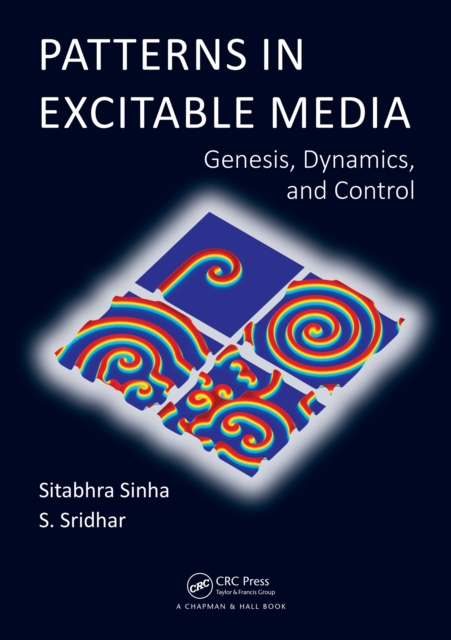
Excitable media comprise a class of models for a wide range of physical, chemical, and biological systems that exhibit spontaneous formation of spatial patterns.
This is an up-to-date and comprehensive handbook that presents a wealth of information on the different aspects of one of the largest dipterous family, Culicidae (Mosquitoes).
Molluscan Communities of the Florida Keys and Adjacent Areas: Their Ecology and Biodiversity is the first comprehensive overview of the ecology and biodiversity of the phylum Mollusca in the area extending from the Dry Tortugas and Ten Thousand Islands in the west to Palm Beach in the east.
The Southern Forest: Geography, Ecology, and Silviculture examines the forests of the South, providing a comprehensive description of the region from which most of the nation's wood for housing and paper will be grown and harvested in the future.
Nutrition and Epigenetics presents new information on the action of diet and nutritional determinants in regulating the epigenetic control of gene expression in health and disease.
This handbook introduces some of the most relevant techniques used to develop intelligent robotic systems and provides several examples of applications where robots equipped with AI are deployed to solve a task.
The Essence of Gastronomy: Understanding the Flavor of Foods and Beverages presents a new comprehensive and unifying theory on flavor, which answers ancient questions and offers new opportunities for solving food-related issues.
Presenting a social science perspective on the contemporary gaze on the body of the suspect, this book considers how definitions of criminality, offenses, individual rights, and the concepts of identity and difference have been altered by changes in the biological status of the human.
Presenting a social science perspective on the contemporary gaze on the body of the suspect, this book considers how definitions of criminality, offenses, individual rights, and the concepts of identity and difference have been altered by changes in the biological status of the human.
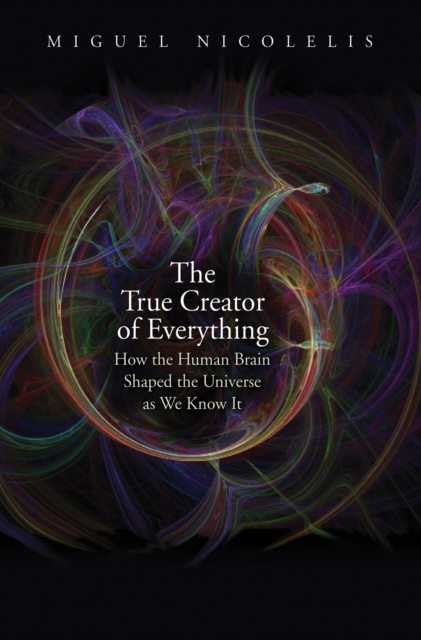
A radically new cosmological view from a groundbreaking neuroscientist who places the human brain at the center of humanity’s universe Renowned neuroscientist Miguel Nicolelis introduces a revolutionary new theory of how the human brain evolved to become an organic computer without rival in the known universe.
A philosopher subjects the claims of evolutionary psychology to the evidential and methodological requirements of evolutionary biology, concluding that evolutionary psychology''s explanations amount to speculation disguised as results.
This volume brings together an international roster of scientists, many of which have spent their careers researching the fossil evidence for, and the context of, the taxa that are conventionally subsumed within the genus Paranthropus, to present and synthesize the latest research about the paleobiology of Paranthropus.
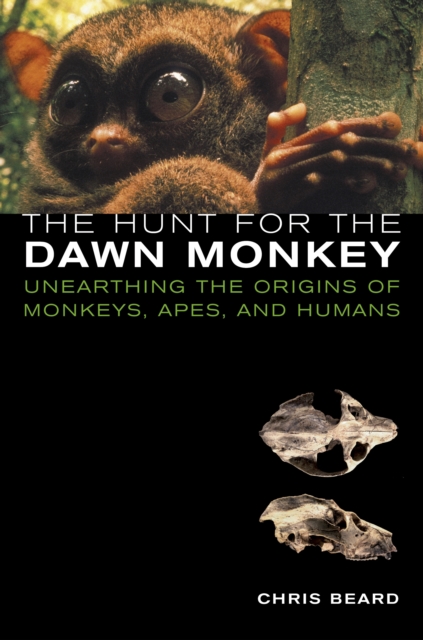
Taking us back roughly 45 million years into the Eocene, "e;the dawn of recent life,"e; Chris Beard, a world-renowned expert on the primate fossil record, offers a tantalizing new perspective on our deepest evolutionary roots.
CRISPR-Cas systems have redefined the landscape of genetic engineering, offering an unprecedented level of precision, efficiency, and versatility in genome editing.
A radically new cosmological view from a groundbreaking neuroscientist who places the human brain at the center of humanity’s universe Renowned neuroscientist Miguel Nicolelis introduces a revolutionary new theory of how the human brain evolved to become an organic computer without rival in the known universe.
A philosopher subjects the claims of evolutionary psychology to the evidential and methodological requirements of evolutionary biology, concluding that evolutionary psychology''s explanations amount to speculation disguised as results.
From the brilliant psychoanalyst behind Strictly Bipolar and What is Madness, a short and fascinating guide to the history of human sleep - and why we can't seem to sleep any moreOne in four adults sleeps badly.
'A funny and beautifully written welcome to the enigmatic, weird and wonderful world of wasps' DAVE GOULSON, author of SILENT EARTHThere may be no insect with a worse reputation than the wasp, and none guarding so many undiscovered wonders.
This handbook introduces some of the most relevant techniques used to develop intelligent robotic systems and provides several examples of applications where robots equipped with AI are deployed to solve a task.
Das vorliegende Buch widmet sich der „Kind als Schaden“-Rechtsprechung und beleuchtet das Zusammenwirken der strafrechtlichen Vorschriften über den Schwangerschaftsabbruch mit dem zivilen Arzthaftungsrecht unter dem Einfluss des Verfassungsrechts.