Harmful algal blooms (HABs) and their potent phycotoxins have emerged as one of the most complex and costly biological challenges of our time—reshaping ecosystems, threatening human and animal health, and influencing economies across the globe.
Harmful algal blooms (HABs) and their potent phycotoxins have emerged as one of the most complex and costly biological challenges of our time—reshaping ecosystems, threatening human and animal health, and influencing economies across the globe.
Neurologist and neuroscientist Dr Paul Goldsmith reveals compassionate, practical insights on the evolutionary origins of our brain and how we can best use it to thrive in our daily lives.
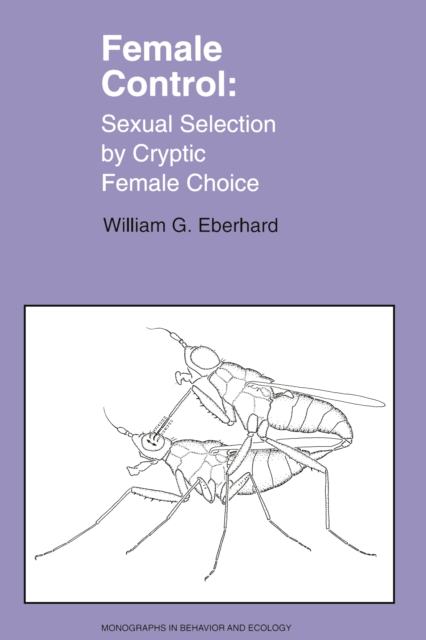
A growing body of evidence has begun to reveal flaws in the traditional assumption of female passivity and lack of discrimination after copulation has begun.
Progress in Motor Control: Crossroads between Neurophysiology and Applications offers an in-depth look at the evolving field of motor control, synthesizing the latest research.
Artificial Intelligence in Livestock Omics: Applications, Challenges, and Future Perspectives delves into the cutting-edge intersection of AI and livestock science, exploring how advanced algorithms are transforming the analysis and application of omics data in livestock production.
Geomicrobiology of Rio Tinto: A Terrestrial Mars Analogue provides the most detailed biological and geological characterizations of one of Earth's best terrestrial Mars analogues.
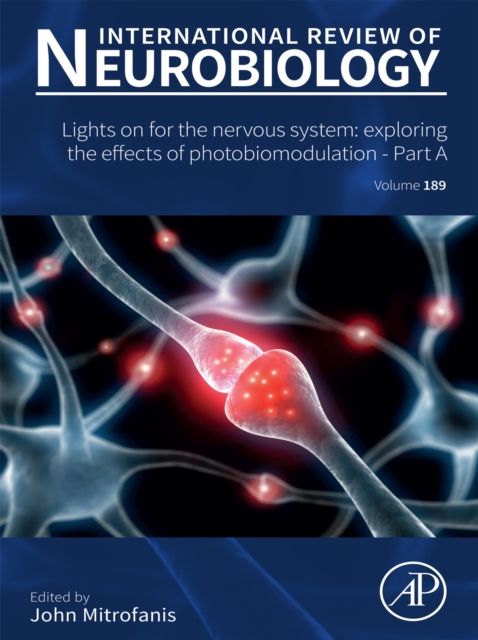
Lights on for the Nervous System: Exploring the Effects of Photobiomodulation: Part A, Volume 189 in the International Review of Neurobiology series, highlights new advances in understanding how light interacts with the human body and brain.
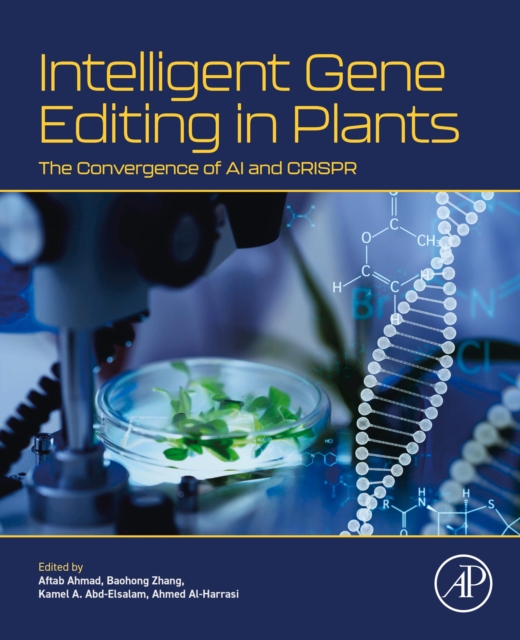
Intelligent Gene Editing in Plants analyzes how AI-enabled design and CRISPR-based genome engineering are reshaping plant genetics, with a clear functional focus on delivering durable gains in crop productivity, stress tolerance, and nutritional quality.
The second edition of Environment and Society: Concepts for a Just Transformation delivers a major, timely update to one of the field’s most respected concept driven environmental social science texts.
This book addresses all aspects of artificial perception in forest environments, including localization, mapping, traversability analysis, semantic segmentation, metric-semantic mapping, scene understanding, and multi-robot architectures.
This book examines how integrating water quality and water quantity is essential for confronting today’s most urgent challenges, including climate change, population growth, land-use change, and pollution.
With one volume each year, this series keeps scientists and advanced students informed of the latest developments and results in all areas of the plant sciences.
This book presents a testable framework connecting quantum mechanics, neuroscience, cognitive science, and consciousness research to explore human performance and the nature of reality.
With one volume each year, this series keeps scientists and advanced students informed of the latest developments and results in all areas of the plant sciences.
This book contains concrete integrated themes covering vulnerability of water resources, wastewater technologies, modeling techniques, and blue and green energy resources.
This book, 'Phytochemicals of Pteridophytes: Occurrence, Structures, and Biological Activity', explores the chemical constituents of pteridophytes (lycophytes and ferns), emphasizing their occurrence, structures, and biological functions.
This book, 'Phytochemicals of Pteridophytes: Occurrence, Structures, and Biological Activity', explores the chemical constituents of pteridophytes (lycophytes and ferns), emphasizing their occurrence, structures, and biological functions.
This book examines how integrating water quality and water quantity is essential for confronting today’s most urgent challenges, including climate change, population growth, land-use change, and pollution.
The book describes how microscopic particles in the air—born of combustion, dust storms, agriculture, and urban life—travel from the atmosphere into soils, water, plants, and food chains, reshaping ecosystems and human health.
This book presents a testable framework connecting quantum mechanics, neuroscience, cognitive science, and consciousness research to explore human performance and the nature of reality.
This book offers a groundbreaking exploration of neglected and underutilized species (NUS) as vital tools for building resilient and sustainable agricultural systems in the face of climate change.
This book offers a groundbreaking exploration of neglected and underutilized species (NUS) as vital tools for building resilient and sustainable agricultural systems in the face of climate change.
This book contains concrete integrated themes covering vulnerability of water resources, wastewater technologies, modeling techniques, and blue and green energy resources.
Among the first comprehensive texts devoted specifically to educating nurse practitioners about Attention-Deficit/Hyperactivity Disorder (ADHD), this work addresses a critical gap in clinical training by focusing on evidence-based assessment and treatment across the lifespan.
This book constitutes the proceedings of the 1st Workshop on EI-MiGA@IJCAI 2026 for Human Behavior Analysis and Interaction for Emotional Intelligence, in conjunction with IJCAI 2026, held in Bremen, Germany, during August 15-21, 2026.
This book constitutes the proceedings of the 1st Workshop on EI-MiGA@IJCAI 2026 for Human Behavior Analysis and Interaction for Emotional Intelligence, in conjunction with IJCAI 2026, held in Bremen, Germany, during August 15-21, 2026.
Clinical Genomics is an emerging discipline that aims to translate the discoveries and methodologies of Genomics into clinical practice, encompassing prevention, diagnosis, and treatment.
Clinical Genomics is an emerging discipline that aims to translate the discoveries and methodologies of Genomics into clinical practice, encompassing prevention, diagnosis, and treatment.
The second edition of Environment and Society: Concepts for a Just Transformation delivers a major, timely update to one of the field’s most respected concept driven environmental social science texts.
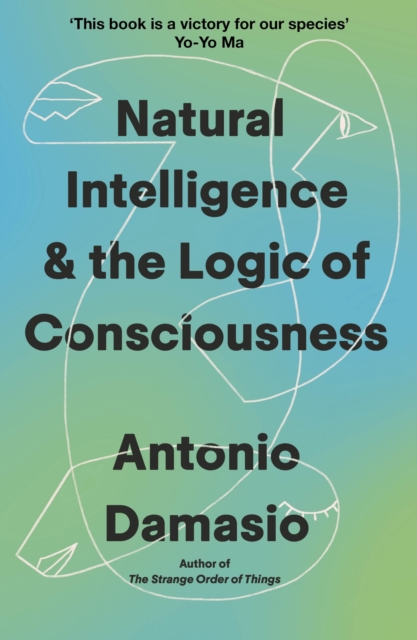
A masterful synthesis of neuroscience, philosophy and evolutionary biology, this book transforms how we understand what it means to be conscious, alive and human, and how that differs from artifical intelligence.
Among the first comprehensive texts devoted specifically to educating nurse practitioners about Attention-Deficit/Hyperactivity Disorder (ADHD), this work addresses a critical gap in clinical training by focusing on evidence-based assessment and treatment across the lifespan.