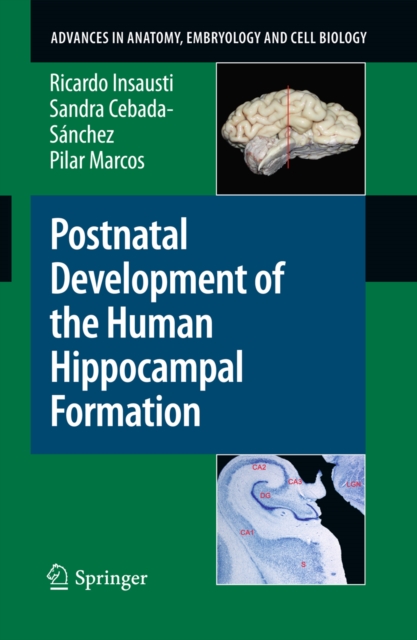
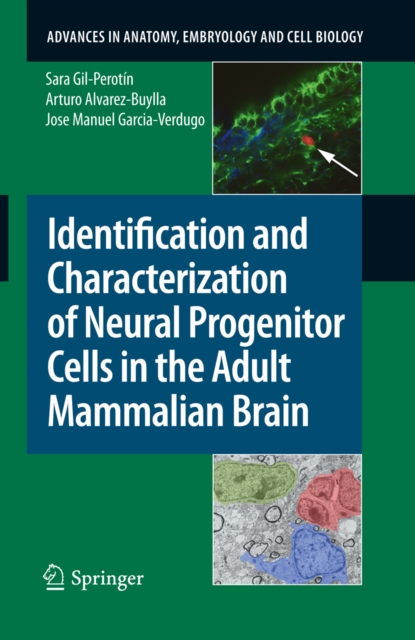
Ume Eder Bat (A beautiful child) (popular song from Basque folklore) The aim of this monograph is to introduce the postnatal development of morphological features that are relevant to readers interested in the neurobiology and pathology of the hippocampal formation in terms of the complex phenomena that underlie the progressive anatomical and functional maturation of this brain region.
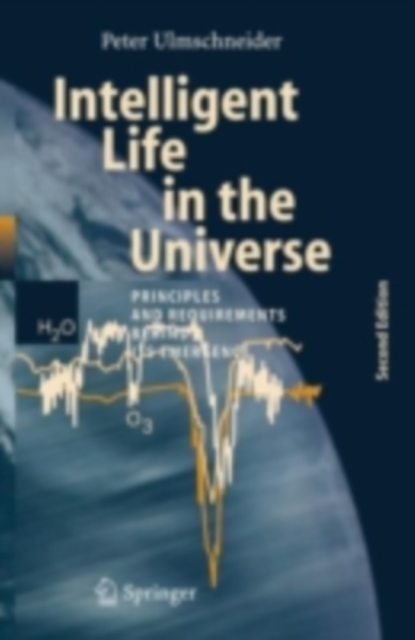
It is well known that the biochemical processes of life on Earth are maintained by the external solar radiation and can be reduced to the synthesis and decomposition of organic matter.
In a Darwinian world, religious behavior - just like other behaviors - is likely to have undergone a process of natural selection in which it was rewarded in the evolutionary currency of reproductive success.
Structural requirements constrain the evolution of biological entities at all levels, from macromolecules to their networks, right up to populations of biological organisms.
Bioinformatics is an interdisciplinary science which involves molecular bi- ogy, molecular chemistry, physics, mathematics, computational sciences, etc.
In spite of international agreements at the political level not much has changed since the late 1980s in terms of reducing the speed of destruction of original tropical environments.
This volume contains a selection of scientific papers which were presented at an international workshop on the impacts of climatic variability held in Wengen, Switzerland, September 1997.
1 Introduction Cortical development is a complex, tightly regulated process that eventually leads to the six-layered adult human neocortex, the substrate of the unique cognitive, emotional, and social abilities of our species.
It has been suggested that the big questions of science are answered - that science has entered a "e;twilight age"e; where all the important knowledge is known and only the details need mopping up.
This volume offers insight in the identification and selection procedure of marine protected areas in the German exclusive economic zones (EEZs) of the North - and Baltic Seas.
This book bridges the gap between research and application providing an up-to-date overview of the various wood and tree fungi that damage trees, lumber, and timber.
This book addresses all scientists and others interested in the origins, development and fate of intelligent species in the observable part of our universe.
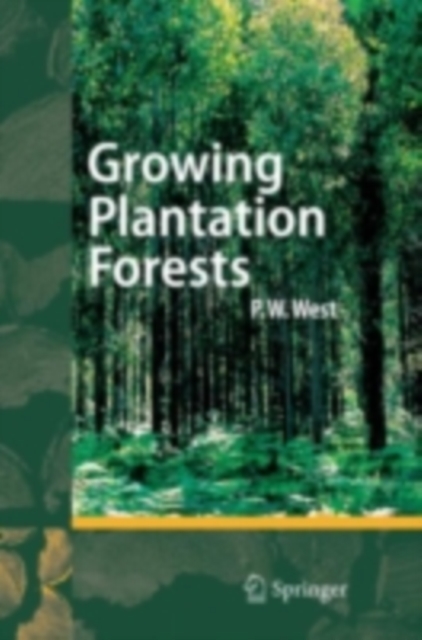
Plantation forests are grown to supply wood and to provide environmental benefits, such as waste disposal, rehabilitation of degraded sites, enhancement of regional biodiversity and reduction of logging in native forests.
If you want to achieve something, if you want to write a book, paint a picture, be sure the center of your existence is somewhere else and that it's solidly grounded; only then will you be able to keep your cool and laugh at the attacks that are bound to come.
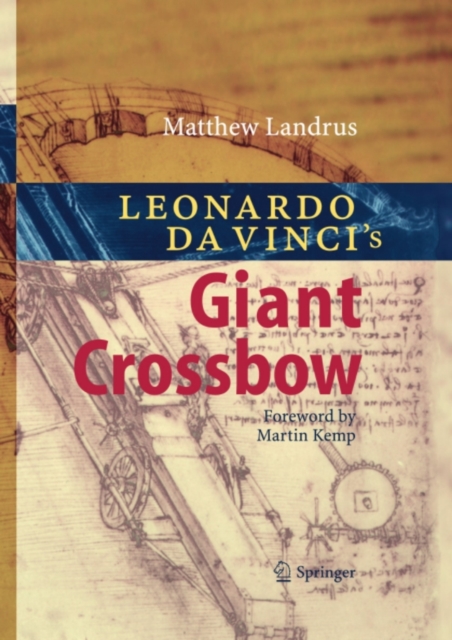
Leonardo's Lost Robots reinterprets Leonardo da Vinci's mechanical design work, revealing a new level of sophistication not recognized by art historians or engineers.
Information and Its Role in Nature presents an in-depth interdisciplinary discussion of the concept of information and its role in the control of natural processes.
En los programas de control de vectores, un aspecto destacado es la diferenciacion de las especies involucradas en la transmision de enfermedades de importancia en salud publica, ya que de esto depende en gran parte el diseno de la estrategia y la aplicacion selectiva de diferentes metodos o alternativas de control.
This book introduces dementia and its related disorder featured with the updated information from basic sciences such as newly found biomarkers to clinical treatments.
This book introduces dementia and its related disorder featured with the updated information from basic sciences such as newly found biomarkers to clinical treatments.
This book focuses on the similarities and distinctions between substance and non-substance addictions, offering a detailed discussion of their mechanisms, diagnosis, and treatment.
This book focuses on the similarities and distinctions between substance and non-substance addictions, offering a detailed discussion of their mechanisms, diagnosis, and treatment.