Microbial Nanobionics: Volume 1, State of the Art, discusses a wide range of microbial systems and their utilization in biogenic synthesis of metallic nanoparticles.
Seaweed Sustainability: Food and Non-Food Applications is the only evidence-based resource that offers an abundance of information on the applications of seaweed as a solution to meet an increasing global demand for sustainable food source.
Molecular Microbial Diagnostic Methods: Pathways to Implementation for the Food and Water Industry was developed by recognized and experienced highlevel scientists.
Bacterial Biogeochemistry, Third Edition focuses on bacterial metabolism and its relevance to the environment, including the decomposition of soil, food chains, nitrogen fixation, assimilation and reduction of carbon nitrogen and sulfur, and microbial symbiosis.
Plant Virus-Host Interaction contains cutting-edge research in plant molecular virology, including pathogenic viroids and transport by insect vectors, interference with transmission to control viruses, and synergism, with pivotal coverage of RNA silencing and the counter-defensive strategies used by viruses to overcome the silencing response in plants.
Environmental Mycology in Public Health: Fungi and Mycotoxins Risk Assessment and Management provides the most updated information on fungi, an essential element in the survival of our global ecology that can also pose a significant threat to the health of occupants when they are present in buildings.
Streptococcus Pneumoniae: Molecular Mechanisms of Host-Pathogen Interactions provides a comprehensive overview of our existing knowledge on Streptococcus pneumoniae antibiotic resistance, dissemination, and pathogenesis, including immunology.
Mesenchymal Stem Cells and Skeletal Regeneration covers our current understanding of the role of mesenchymal stem cells (MSCs) and other mesenchymal progenitors in skeletal regeneration, encompassing bone, cartilage and whole joint regeneration.
Aeromicrobiology provides a detailed and systematic analysis of the microbial communities and toxins collectively called bioaerosols that can be found in air.
Agricultural biotechnology and the production of GM crops have been controversial despite being practiced in both developed and developing countries, the major reason being their potential negative impact on human / animal health or environment.
Approaches to Research on the Systematics of Fish-Borne Trematodes is a concise guide for systematic studies of the prevalence of fish-borne trematodes both in the endemic areas and experimental laboratories.
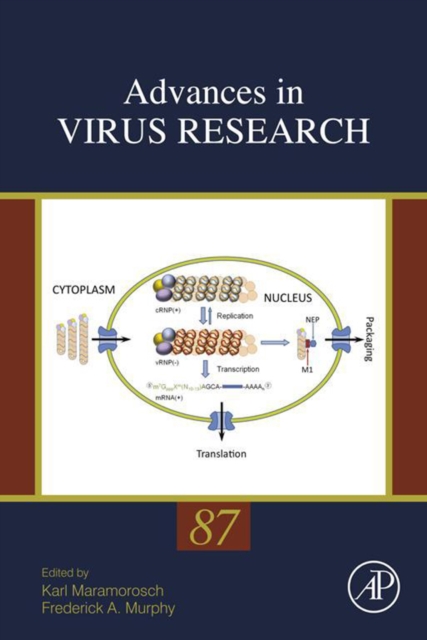
Published since 1953, Advances in Virus Research covers a diverse range of in-depth reviews, providing a valuable overview of the current field of virology.
This first volume of a two-volume work presents the manifold applications of beneficial microbes and microbiomes in plant growth promotion, in enhancing crop resilience and in control of phytopathogens through microbial antagonists.
This second volume of a two-volume work reviews beneficial bioactive compounds from various microorganisms such as bacteria, fungi, cyanobacteria in plant diseases management and the postharvest management of fruits using microbial antagonists.
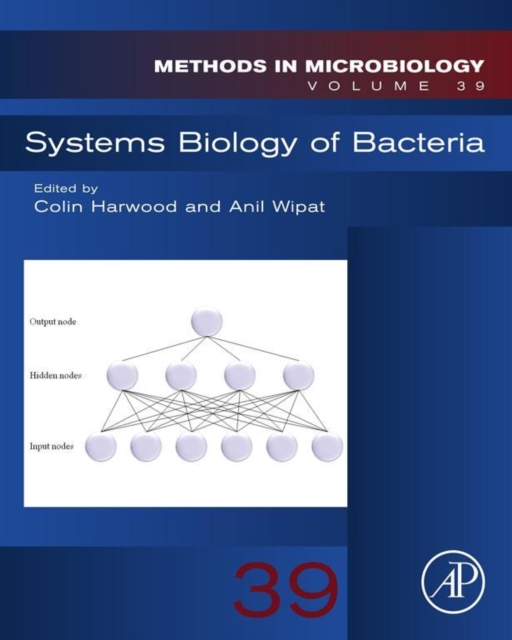
Focusing on the systems biology of bacteria and microorganisms, the 39th volume of Methods in Microbiology investigates the interface between molecular biology, bioinformatics, and modelling and predicting behavior.
The third volume of the series 'Bacilli and Agrobiotechnology' is comprised of 25 chapters that bring a unique perspective to the readers about Bacillus-mediated biotic and abiotic plant stress tolerance, bioremediation and bioprospecting.
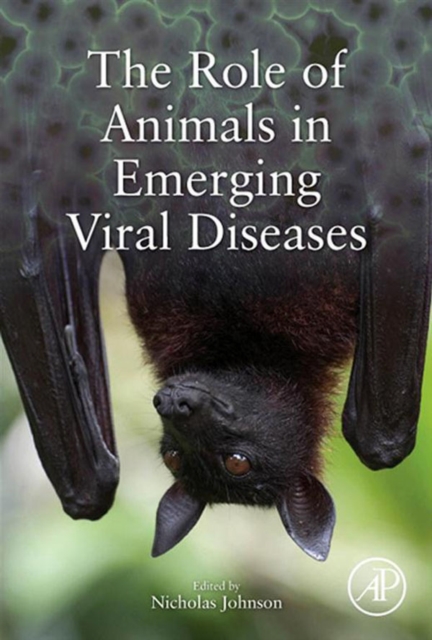
The Role of Animals in Emerging Viral Diseases presents what is currently known about the role of animals in the emergence or re-emergence of viruses including HIV-AIDS, SARS, Ebola, avian flu, swine flu, and rabies.
Molecular Microbiology Laboratory, Second Edition, is designed to teach essential principles and techniques of molecular biology and microbial ecology to upper-level undergraduates majoring in the life sciences and to develop students' scientific writing skills.
Biofilms in Infection and Disease Control: A Healthcare Handbook outlines the scientific evidence and rationale for the prevention of infection, the role biofilms play in infection control, and the issues concerning their resistance to antimicrobials.
This volume, the first of a two-part series, covers topics including historical, ecological and evolutionary considerations, genomics and molecular biology, and interaction of phages with their hosts.
The second part of an updated edition of the classic Methods in Cell Biology, Volume 48, this book emphasizes diverse methods and technologies needed to investigate C.
Designed for advanced undergraduate students, graduate students, and environmental professionals, this book builds upon the tremendous success of the previous editions with a comprehensive and up-to-date discussion of environmental microbiology as a discipline that has greatly expanded in scope and interest over the past several decades.
Published since 1953, Advances in Virus Research covers a diverse range of in-depth reviews providing a valuable overview of the current field of virology.
The accelerated globalization of the food supply, coupled with toughening government standards, is putting global food production, distribution, and retail industries under a high-intensity spotlight.
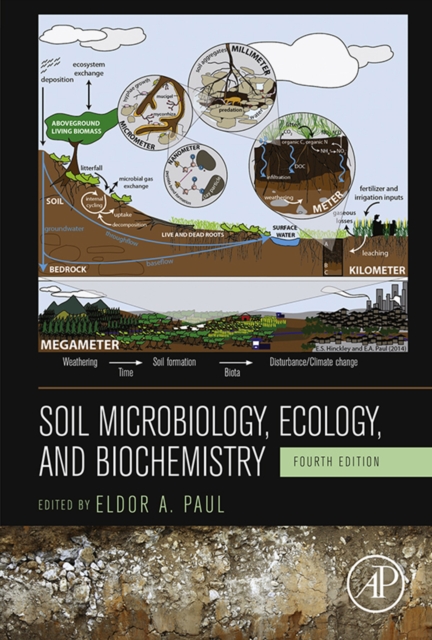
The fourth edition of Soil Microbiology, Ecology and Biochemistry updates this widely used reference as the study and understanding of soil biota, their function, and the dynamics of soil organic matter has been revolutionized by molecular and instrumental techniques, and information technology.