Genome Engineering, Volume 52 in the Methods in Microbiology series, highlights new advances in the field with this new volume presenting interesting chapters written by an international board of authors.
In the recent past, beneficial microorganisms have been sustainably used in agriculture as a safe, economic, and effective alternative to chemical fertilizers or pesticides.
As doctors and biologists have learned, to their dismay, infectious disease is a moving target: new diseases emerge every year, old diseases evolve into new forms, and ecological and socioeconomic upheavals change the transmission pathways by which disease spread.
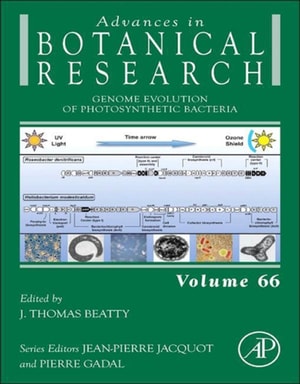
Photosynthesis is one of the most important processes that affects all life on Earth, and, even now in the twenty-first century, it is still being studied and tested by scientists, chemists, and botanists.
This detailed volume presents a diverse set of methodological approaches designed to improve our understanding of bacterial infections from a wide range of bacterial species.
This book provides an up-to-date overview of the biological functions of melanins, their biotechnological production, and their industrial applications.
This book is a unique resource for professionals seeking a comprehensive understanding of microbiologically influenced corrosion in concrete sewers (MICC), which play a critical role in modern urban infrastructure.
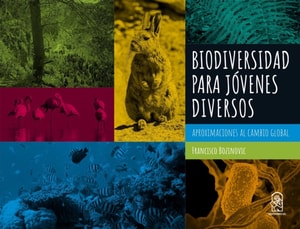
Biodiversidad es un término que se inventó uniendo dos palabras, biología y diversidad, con el fin de describir y explicar la cantidad y variedad de organismos vivos que habitan en nuestro planeta.
Latin America has extensive microbial diversity and is endemic for a wide array of infectious agents including dengue, chikungunya, malaria and tuberculosis.
Latin America has extensive microbial diversity and is endemic for a wide array of infectious agents including dengue, chikungunya, malaria and tuberculosis.
This second edition brings together new and updated methods to explore the structure and function of bacterial chromatin from molecular to the cellular scale.
Volume 79 of Advances in Virus Research focuses on developments surrounding rabies, an ancient disease that remains a prominent public health problem for humans.
Recent advances in molecular technology have provided new microbial imaging tools, not only complementing more classical methods, but in many cases significantly enhancing the sensitivity and efficiency in which studies may be conducted.
This text provides information on advances in microbiology, covering such topics as: the role of norsolorinic acid in aflatoxin research; flavour compounds in cheese; the role of micro-organisms in soy sauce production; and gene transfer among bacteria in natural environments.
Nitric Oxide and Other Small Signalling Molecules, Volume 73, the latest release in the Advances in Microbial Physiology series, continues the long tradition of topical, important, cutting-edge reviews in microbiology.
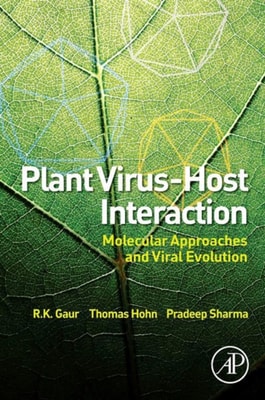
Plant Virus-Host Interaction contains cutting-edge research in plant molecular virology, including pathogenic viroids and transport by insect vectors, interference with transmission to control viruses, and synergism, with pivotal coverage of RNA silencing and the counter-defensive strategies used by viruses to overcome the silencing response in plants.
Studies on Hepatitis Viruses: Life Cycle, Structure, Functions, and Inhibition presents the latest on this systemic infection that predominantly affects the liver with inflammation that can be acute or chronic.
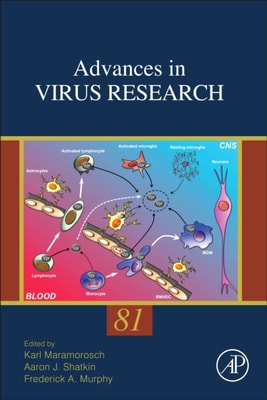
Published since 1953, Advances in Virus Research covers a diverse range of in-depth reviews providing a valuable overview of the current field of virology.
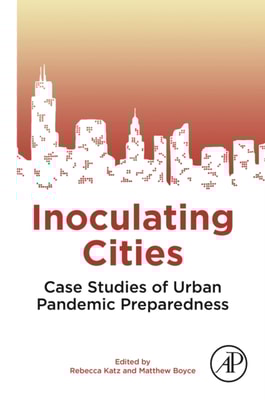
Inoculating Cities: Case Studies of Urban Pandemic Preparedness begins with a brief historical description of infectious disease outbreaks in cities as well as an overview of infectious disease outbreaks since 2000 that hold profound implications for cities and urban environments - such as severe acute respiratory syndrome (SARS) in 2003, H1N1 influenza in 2009, Ebola virus in 2014, Zika virus in 2015, and more recently, COVID-19 in 2020.
Molecular Microbial Diagnostic Methods: Pathways to Implementation for the Food and Water Industry was developed by recognized and experienced highlevel scientists.
Atlas of Oral Microbiology provides a complete description of the oral microbial systems, illustrating them with a large variety of bacteria culture images and electron microscopy photos.
The Microbiology of Central Nervous System Infections, Volume 3, discusses modern approaches to the diagnosis, treatment and prophylaxis of central nervous system (CNS) infections.
Introduction to Adsorption: Basics, Analysis, and Applications presents adsorption basics that are relevant and essential to its application, including data analysis, interpretation and design calculations.
Smart Bioremediation Technologies: Microbial Enzymes provides insights into the complex behavior of enzymes and identifies metabolites and their degradation pathways.
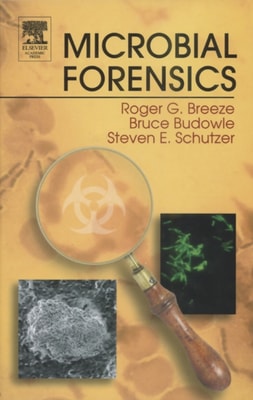
Microbial Forensics describes the new and growing field of Microbial Forensics- the science that will help bring to justice criminals and terrorists who use biological material to cause harm.
Published since 1953, Advances in Virus Research covers a diverse range of in-depth reviews providing a valuable overview of the current field of virology.
Early Warning for Infectious Disease Outbreak: Theory and Practice is divided into three parts, with the first section introducing basic theory and key technologies of early warning and the basic principles of infectious disease surveillance.
Demystified is your vaccine for tricky subjects like microbiologyIf you don't know your prokaryotes from your protozoa, or learning about fungi puts you in a funk, look no further--Microbiology Demystified, Second Edition is your cure for learning this topic's fundamental concepts and theories at your own pace.
Antibiotic Materials in Healthcare provides significant information on antibiotic related issues, accurate solutions, and recent investigative information for health-related applications.
Advances in Applied Microbiology continues to be one of the most widely read and authoritative review sources in microbiology, containing comprehensive reviews of the most current research in applied microbiology.
Published since 1953, Advances in Virus Research covers a diverse range of in-depth reviews providing a valuable overview of the current field of virology.
Advances in Microbial Physiology, Volume 75, the latest release in this ongoing series, continues the long tradition of topical, important, cutting-edge reviews in microbiology.