This volume on iron-sulfur proteins includes chapters that describe the initial discovery of iron-sulfur proteins in the 1960s to elucidation of the roles of iron sulfur clusters as prosthetic groups of enzymes, such as the citric acid cycle enzyme, aconitase, and numerous other proteins, ranging from nitrogenase to DNA repair proteins.
The book begins with a review of zoonotic pandemics of the past: the "e;Black Death"e; or bubonic plague of the Middle Ages, the Spanish Influenza pandemic (derived from avian influenza) of the early 20th century, to the more modern pandemic of AIDS/HIV infection, which originated in Africa from primates.
One of the most profound paradigms that have transformed our understanding about life over the last decades was the acknowledgement that microorganisms play a central role in shaping the past and present environments on Earth and the nature of all life forms.
This updated second edition of Molecular Typing in Bacterial Infections, presented in two volumes, covers both common and neglected bacterial pathogenic agents, highlighting the most effective methods for their identification and classification in the light of their specific epidemiology.
This volume provides a critical response to the COVID-19 pandemic showcasing the full range of issues and perspectives that the discipline of geography can expose and bring to the table, not only to this specific event, but to others like it that might occur in future.
Genetics and Evolution of Infectious Diseases, Third Edition discusses the evolving field of infectious diseases and their continued impact on the health of populations, especially in resource-limited areas of the world where they must confront the dual burden of death and disability due to infectious and chronic illnesses.
The Latin American region has been at the forefront in combating infections caused by Escherichia coli strains in humans, animals, and the environment.
Microbial bioremediation and biodegradation in environmental monitoring offers an environmentally friendly approach for the monitoring and effective removal of contaminants.
This book, prepared by participants of the European network COST ACTION 810 (1989-93) is the outcome of a meeting held in Switzerland (Einsiedeln, September 29 to October 2, 1993) on the "e;Impact of arbuscular mycorrhizas on sustainable agriculture and natural ecosystems"e;.
Malaria has defeated previous efforts at eradication and remains a massive global public health problem despite being readily preventable and treatable.
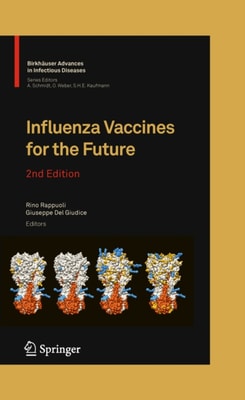
The emergence of H5N1 avian influenza in 1997 and of the influenza A H1N1 of swine origin in 2009 calls for new, rapid and sustainable solutions for both seasonal and pandemic influenza viruses.
Technological advances, together with a better understanding of the molecular biology of infectious microorganisms, are creating exciting possibilities for a new generation of replicating vaccines.
The book provides a characteristic of sulfate karst, the features of its distribution and development in the Perm region, based on their own research and generalization of data accumulated in recent years.
This edited volume provides insights about the molecular virology, pathoenesis of infection and host responses to varicella-zoster virus, which is a medically important human herpesvirus.
Bacteria and fungi are able to aggregate together or on surfaces in densely packed microcolonies, facilitated by extracellular polymeric substances for cell protection and stability.
This book deals with the advantages of using artificial intelligence (AI) in the fight against the COVID-19 and against future pandemics that could threat humanity and our environment.
This book covers the wide set of well-regulated virulence factors and defense mechanisms of Pseudomonas aeruginosa focusing on stress responses and the evolution of this opportunistic human pathogen.