The third volume of the series 'Bacilli and Agrobiotechnology' is comprised of 25 chapters that bring a unique perspective to the readers about Bacillus-mediated biotic and abiotic plant stress tolerance, bioremediation and bioprospecting.
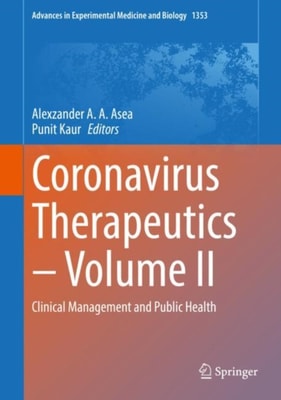
The book Coronavirus Therapeutics Volume II provides the most comprehensive review on contemporary knowledge on the consequences during the outbreak of Coronavirus.
The book Coronavirus Therapeutics Volume I provides the most comprehensive review on contemporary knowledge on the origin and structural biology and molecular aspects of Coronaviruses.
This book provides an in-depth overview on the manifold functions of fungal extracellular vesicles (EV) which span from cell-to-cell communication, pathogenicity and stimulation of host's immunity to export of hundreds of biomolecules.
This updated second edition of Molecular Typing in Bacterial Infections, presented in two volumes, covers both common and neglected bacterial pathogenic agents, highlighting the most effective methods for their identification and classification in the light of their specific epidemiology.
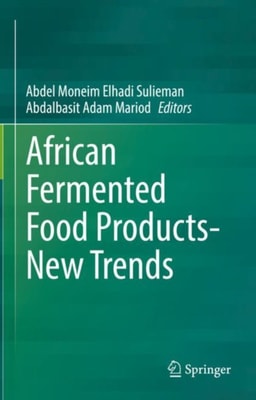
Fermented foods play a major role in human nutrition and health, given the addition of flavor, improvement of texture, preservation against spoilage, and ease of digestion due to the fermentation process.
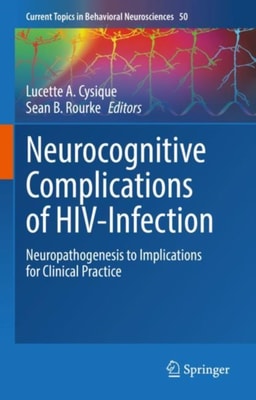
This volume aims at presenting the latest international research and discoveries in the neurocognitive aspects and complications in HIV/AIDS, and how this understanding can shape and inform how we think about clinical practice and patient care in HIV/AIDS as well as lead to a better understanding of the underlying neuropathogenesis.
Algae are simple, primitive, heterogeneous, autotrophic, eukaryotic or prokaryotic organisms that lead a symbiotic, parasitic or free-living mode of life.
This volume describes several highly diverse subjects: Chapter 1 explores marine biodiscovery of the North-eastern Atlantic off the coast of Ireland as a model for best practice in research.
The book provides a comprehensive account of a tropical lake, Alchichica, considering that tropical limnology is by far less known and well-understood than temperate.
This new edition describes the role of heat shock proteins in the life cycle of malaria parasites, particularly in the context of intracellular parasite stages.
This book is a fresh and readable account of the Covid-19 pandemic and how scientists and medical doctors are helping governments to manage the crisis.
This book highlights the impact of climate change on the soil microbiome and its subsequent effects on plant health, soil-plant dynamics, and the ecosphere.
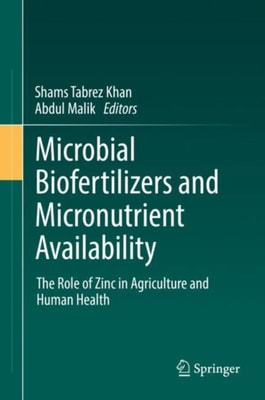
This volume addresses various issues related to micronutrient deficiency, especially zinc, and discusses the possible approaches for combating mineral deficiency among humans and plants.
Ribonucleic acid (RNA) is a macromolecule that plays a central role in cell physiology: RNA molecules act as intermediates between the deoxyribonucleic acid (DNA), where genetic information is stored, and proteins, which perform the necessary functions within the cell.
This book focuses on threats, especially contaminants, to drinking water and the supply system, especially in municipalities but also in industrial and even residential settings.
This book encompasses current knowledge of soil microbiomes and their potential biotechnological application for plant growth, crop yield, and soil health under the natural as well as harsh environmental conditions for sustainable agriculture.
This updated second edition of Molecular Typing in Bacterial Infections, presented in two volumes, covers both common and neglected bacterial pathogenic agents, highlighting the most effective methods for their identification and classification in the light of their specific epidemiology.
Of the 758 species of hard ticks (family Ixodidae) currently known to science, 137 (18%) are found in the Neotropical Zoogeographic Region, an area that extends from the eastern and western flanks of the Mexican Plateau southward to southern Argentina and Chile and that also includes the Greater and Lesser Antilles and the Galapagos Islands.
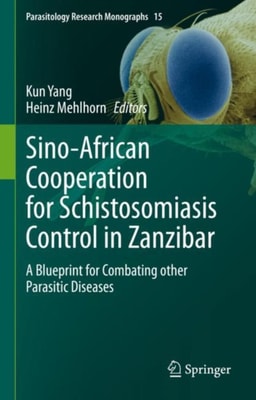
Offering an example for transnational cooperation and successful reduction of a neglected tropical disease, this volume shows how Chinese scientists and local physicians controlled schistosomiasis in Zanzibar.
This volume provides a critical response to the COVID-19 pandemic showcasing the full range of issues and perspectives that the discipline of geography can expose and bring to the table, not only to this specific event, but to others like it that might occur in future.
This book series focuses on current progress in the broad field of medical microbiology, and covers both basic and applied topics related to the study of microbes, their interactions with human and animals, and emerging issues relevant for public health.
This book discusses current evidence on human viruses and provides an extensive coverage of newly emerged viruses and current strategies for treatment.
The book describes the possibility of making a probabilistic prognosis, which uses the mean n-day logarithm of case numbers in the past to determine an exponent for a probability density for a prognosis, as well as the particle emission concept, which is derived from contact and distribution rates that increase the exponent of the probable development to the extent that a group of people can be formed.
The reproduction and spread of a virus during an epidemic proceeds when the virus attaches to a host cell and viral genetic material (VGM) (protein, DNA, RNA) enters the cell, then replicates, and perhaps mutates, in the cell.