Apoptosis, Cell Signaling, and Human Diseases: Molecular Mechanisms, Volumes 1 & 2, present a concise synthesis of recent developments in the understanding of both cell survival and apoptotic pathways.
In Advanced Physiochemical Treatment Technologies, leading pollution control educators and practicing professionals describe how various combinations of different cutting-edge process systems can be arranged to solve air, noise, and thermal pollution problems.
The past thirty years have seen the emergence of a growing desire worldwide that positive actions be taken to restore and protect the environment from the degrading effects of all forms of pollution-air, water, soil, and noise.
Research on bacterial adhesion and its significance is a major field involving many different aspects of nature and human life, such as marine science, soil and plant ecology, most importantly, the biomedical field.
Arch Mainous III, PhD, Claire Pomeroy, MD, and a panel of experienced physicians offer an eminently practical summary of the most effective evidence-based antimicrobial treatments encountered in both hospital and outpatient settings.
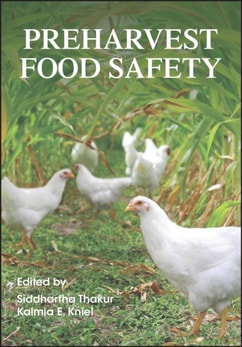
An overview of farm-to-fork safety in the preharvest realm Foodborne outbreaks continue to take lives and harm economies, making controlling the entry of pathogens into the food supply a priority.
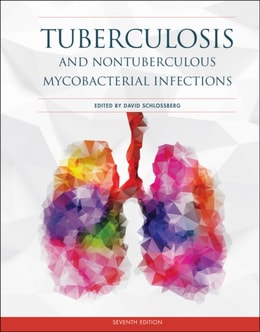
TUBERCULOSIS AND NONTUBERCULOUS MYCOBACTERIAL INFECTIONS TUBERCULOSIS AND NONTUBERCULOUS MYCOBACTERIAL INFECTIONS SEVENTH EDITION Complete coverage of every aspect of tuberculosis and related mycobacterial infections Tuberculosis appears to be as old as humanity itself.
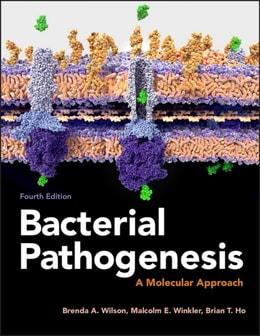
This highly anticipated update of the acclaimed textbook draws on the latest research to give students the knowledge and tools to explore the mechanisms by which bacterial pathogens cause infections in humans and animals.
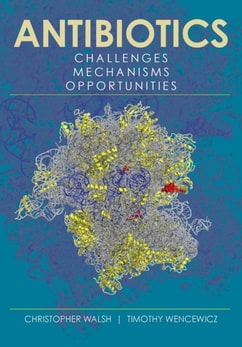
A chemocentric view of the molecular structures of antibiotics, their origins, actions, and major categories of resistance Antibiotics: Challenges, Mechanisms, Opportunities focuses on antibiotics as small organic molecules, from both natural and synthetic sources.
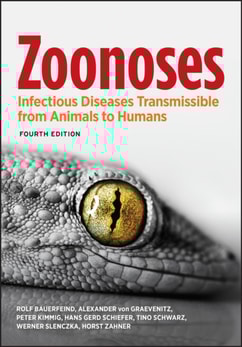
Zoonoses are a persistent threat to the global human health Today, more than 200 diseases occurring in humans and animals are known to be mutually transmitted.
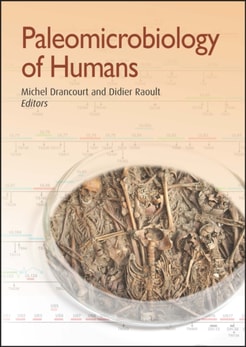
Only recently was it determined that two of the world's most devastating plagues, the plague of Justinian and the medieval Black Death, were caused by distinct strains of the same pathogen.
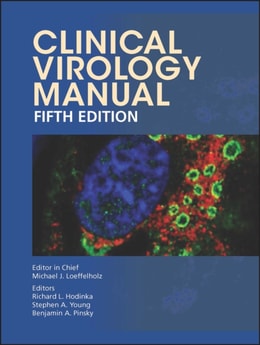
The definitive clinical virology resource for physicians and clinical laboratory virologists The clinical virology field is rapidly evolving and, as a result, physicians and clinical laboratory virologists must have a reliable reference tool to aid in their ability to identify and diagnose viral infections to prevent future outbreaks.
Presenting the latest molecular diagnostic techniques in one comprehensive volume The molecular diagnostics landscape has changed dramatically since the last edition of Molecular Microbiology: Diagnostic Principles and Practice in 2011.
Explore the remarkable discoveries in the rapidly expanding field of plasmid biology Plasmids are integral to biological research as models for innumerable mechanisms of living cells, as tools for creating the most diverse therapies, and as crucial helpers for understanding the dissemination of microbial populations.
A comprehensive collection of perspectives by experts in mycobacterial molecular biology Mycobacterium tuberculosis causes one in four avoidable deaths in the developing world and kills more adults than malaria, AIDS, and all tropical diseases combined.
A scientific overview of the association of microbes with cheese, through the lens of select cheese varieties that result due to surface mold ripening, internal mold ripening, rind washing, cave aging, or surface smear rind development.
Immerse Yourself in Nature and Nourish Your Microbiome for Optimal Health For too long our bodies have been viewed as capsules, sealed off and protected from 'bugs' by our immune systems and an arsenal of antibiotics, pesticides, processed foods, and antibacterial soaps.
Neurocysticercosis, a preventable parasitic infection of the central nervous system caused by tapeworm, is a serious, potentially fatal disease that can cause neurologic syndromes such as epileptic seizures.
This book summarizes the latest scientific research around the influence of gut bacteria on health and well-being as well as their impact on lifestyle diseases.
Microorganisms include bacteria, actinomycetes, yeasts, molds, and viruses, among which bacteria are the most prevalent in nature, accounting for 90%-95% of microorganisms.
Antimicrobial resistance has emerged as a global public health issue, as only a limited number of effective antibiotics are able to treat drug-resistant cases.
Since the appearance of Darwin's book, "e;The Origin of Species,"e; adaptation is one of the processes that explains the diversity of species in ecosystems.
Enterobacter is a relatively lesser known member of family Enterobacteriaceae with at least fifteen species more or less involved in different human infections.
The Aedes aegypti mosquito is a recognized vector for dengue, chikungunya, and Zika arboviruses, and has had a significant dispersion in recent years across the southern hemisphere.
Frontiers in Bacteriology Research opens by discussing oxidoreductases, a large class of enzymes that catalyze several biological oxidation/reduction reactions by transferring electrons from electron donors to electron acceptors.
Instead of relying on prescription medications with numerous dangerous side effects, what if you could opt for a safer, natural alternative to address your health concerns?
In this compilation, the authors describe the occurrence and characteristics of ESBL/AmpC-producing Enterobacteriaceae in poultry, cattle and pigs, pointing to risk factors that lead to their spread and highlighting possible mitigation strategies that could be applied to reduce their prevalence in food-producing animals.
Pseudomonas aeruginosa is characterized by its metabolic versatility and found ubiquitously in soil and aquatic habitats and persists survival on various surfaces of plants, animals and humans.
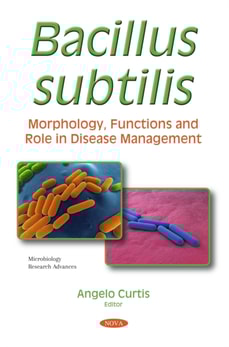
Bacillus subtilis is a motile gram-positive bacterium widespread in the soil and the gut of animals which has been reported to cause opportunistic infections in immunocompromised patients.
This volume aims to describe a variety of techniques that reflects the wide range of research currently performed in the field of coronavirology, and begins with an overview of current understandings of coronavirus replication and pathogenesis to introduce specialists and non-specialists to the field.
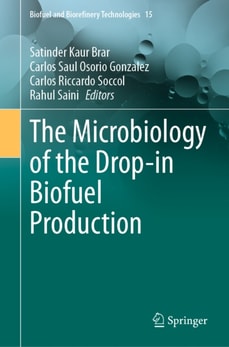
The Microbiology of the Drop-in Biofuel Production is a comprehensive resource that provides basic and applied knowledge, technologies, and regulations of current drop-in biofuel production.
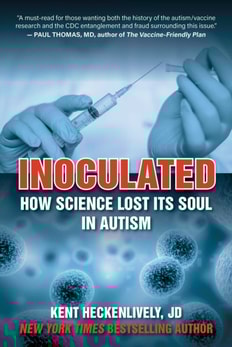
From the New York Timesbestselling co-author ofPlague of Corruptioncomes an explosive expose of the CDC cover-up of the dangerous consequences of the MMR vaccine.
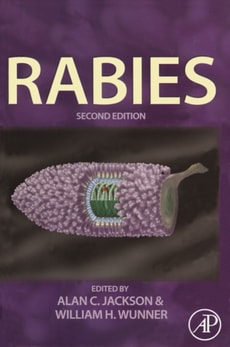
Rabies is the most current and comprehensive account of one of the oldest diseases known that remains a significant public health threat despite the efforts of many who have endeavored to control it in wildlife and domestic animals.
This fully updated second edition outlines the currently available clinical, epidemiological and experimental data on Clostridioides difficile infections(CDI) with special emphasis on studies and results achieved in Europe.
This book provides an exclusive and critical in-depth analysis of paddy straw waste valorization at a broad scale for different industrial applications.
Among the major challenges facing society today, seeking renewable alternatives to petroleum-based fuels and manufactured goods is critically important to reducing society's dependency on petroleum and tackling environmental issues associated with petroleum use.