The molecular biology revolution has required the development of new chromatographic techniques and the optimization of original techniques to give reasonable quantities of protein at high resolutions.
Since the publication of the first edition of Signal Transduction: A Practical Approach in 1992 there has been a great deal of new information about the processes of signal transduction and consequently many new methods have been developed.
The steroid / nuclear receptor superfamily is a large and growing group of transcription factors that are studied by a large and varied number of basic and clinical researchers.
DNA Viruses: A Practical Approach groups together the major experimental methods currently employed to study DNA viruses, from the fundamentals of virus culture to novel techniques such as surface plasmon resonance spectrometry and realtime PCR analysis of drug resistance mutations in clinical isolates.
Since the publication of the first edition five years ago, a wide range of new methodologies have been developed to facilitate studies on both isolated parts of the genome and the genome as a whole.
Virus Culture: A Practical Approach provides a broad treatment of the principles and practice of virus culture and will be of interest to all those, whether in academic, industrial, or clinical research, involved in virus culture.
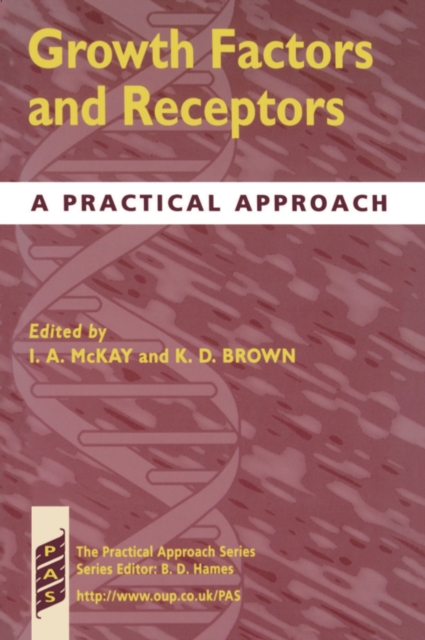
Growth Factors and Receptors: A Practical Approach provides comprehensive protocols for studies of growth factors and their interactions with receptors.
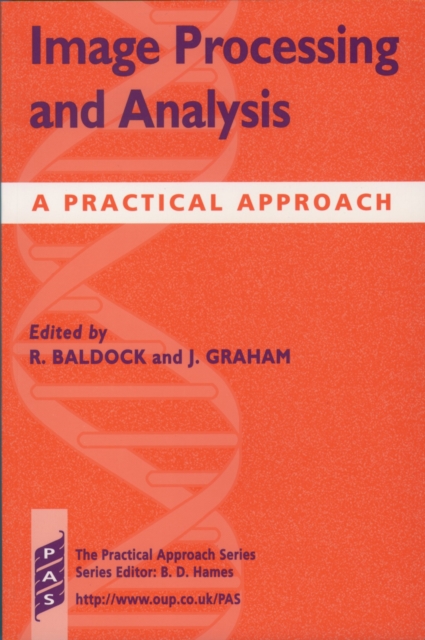
A wide range of books on image processing and analysis provide comprehensive descriptions of mathematics and algorithms for image processing practitioners, or introductory material for engineering students.
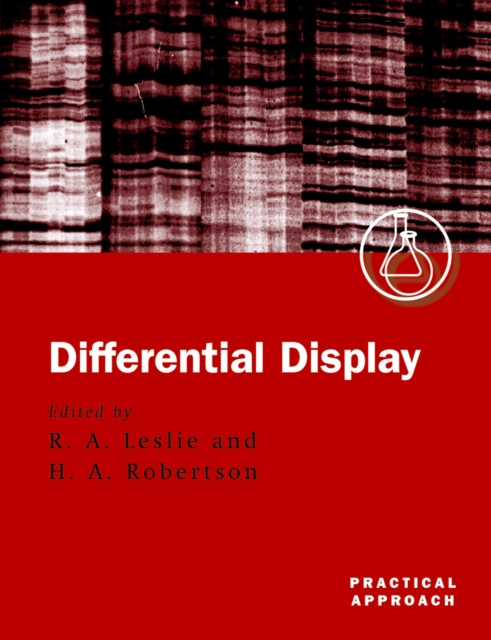
One of the most challenging tasks facing the modern biological research laboratory is to make sense of the enormous amount of data being generated by various genome projects currently underway, and especially the human genome project.
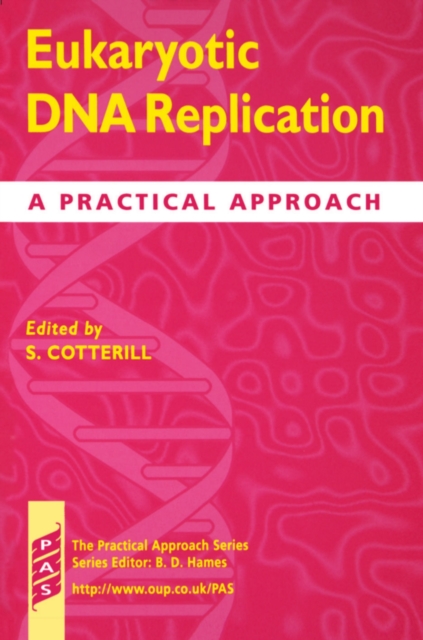
Eukaryotic DNA Replication: A Practical Approach is a comprehensive practical manual, with each of its eleven chapters describing an aspect of the methods currently used to investigate DNA replication in eukaryotes.
Immunodiagnostic tests are analytical methods that use antibodies as reagents whose results are used to aid diagnosis and are widely used in many scientific disciplines and in many different ways.
Since the publication of Protein Kinases in 1994 many novel protein kinases have been discovered, but perhaps more importantly there have been dramatic advances in our understanding of the cellular functions of this remarkably diverse class of proteins.
Since the first edition of Light Microscopy in Biology: A Practical approach was published, techniques in modern light microscopy have improved considerably.
This book is a comprehensive resource on possible DNA damages in sperm, the relation to male infertility, and possible transgenerational heritable effects.
This book is a comprehensive resource on possible DNA damages in sperm, the relation to male infertility, and possible transgenerational heritable effects.
Genome Damage: Repair and Adaptation Across Life explores the significance of nucleic acid damage from environmental pollutants, UV radiation, and other stressors that can lead to mutations, genetic instability, and various diseases, including cancer.
In the early stages of an RNA revolution, the potential of RNA technology to transform human and veterinary medicine, agriculture, and industry, is emergent in much the same way as the advent of recombinant DNA in the 1980s, which created and disrupted products and markets.
In the early stages of an RNA revolution, the potential of RNA technology to transform human and veterinary medicine, agriculture, and industry, is emergent in much the same way as the advent of recombinant DNA in the 1980s, which created and disrupted products and markets.
Clinical Genomics is an emerging discipline that aims to translate the discoveries and methodologies of Genomics into clinical practice, encompassing prevention, diagnosis, and treatment.
Clinical Genomics is an emerging discipline that aims to translate the discoveries and methodologies of Genomics into clinical practice, encompassing prevention, diagnosis, and treatment.
This book is the first of the two volumes and it focuses on exploring the meta-omics integrative techniques to enhance crop productivity, resilience and quality.
This book is the first of the two volumes and it focuses on exploring the meta-omics integrative techniques to enhance crop productivity, resilience and quality.
This book explores the potential of diazotrophic plant growth-promoting microorganisms (DPGPMs) in supporting sustainable agriculture by naturally enhancing nitrogen availability for crops.
This book explores the potential of diazotrophic plant growth-promoting microorganisms (DPGPMs) in supporting sustainable agriculture by naturally enhancing nitrogen availability for crops.
RNA technology is poised to drive a new era of discovery and innovation across human and veterinary medicine, agriculture, and industry—an inflection point as consequential as the recombinant DNA revolution of the 1980s.
RNA technology is poised to drive a new era of discovery and innovation across human and veterinary medicine, agriculture, and industry—an inflection point as consequential as the recombinant DNA revolution of the 1980s.