This book describes a diverse analysis of the five somatostatin receptors; somatostatin gene regulation; promatostatin processing; mechanisms of signal transduction; and the design and use of somatostatin analogues, including their possible clinical implications.
Prestigious contributors describe the genetic, molecular, anatomical and neurochemical mechanisms and pathways that operate to regulate and control circadian rhythmicity and functioning in organisms ranging from unicellular algae to human beings.
Recent application of the techniques of molecular biology and patch-clamp physiology has led to rapid advances in understanding the molecular events in chemosensory transduction.
Working on Corticotropin-Releasing Factor in a variety of systems, experts present a coherent depiction of this peptide's role in the control and coordination of the response to stress-inducing situations.
Experts from a variety of areas compare and discuss IL-6 and LIF in order to provide a new understanding of their modes of action, the significance of their polyfunctionalization--why the body chooses to use one molecule to regulate various cell types--and their functional overlap.
Contains the presentations and discussions that took place during a symposium at the CIBA Foundation on October 1-3, 1990 on the subject of catalytic antibodies.
Composed of contributions from experts in the chemical and biological sciences, it explores host-guest molecular interactions leading to the formation of molecular assemblies containing two or more species.
TGF-beta, originally identified as a transforming growth factor with similar properties, is now known to exist as a family of factors with similar properties.
Covers powerful new tools for drug development Molecular pathology offers tools and techniques that can greatly enhance the drug discovery and development process, helping to make the promises of personalized medicine a reality.
Advances in Enzymology and Related Areas of Molecular Biology is a seminal series in the field of biochemistry, offering researchers access to authoritative reviews of the latest discoveries in all areas of enzymology and molecular biology.
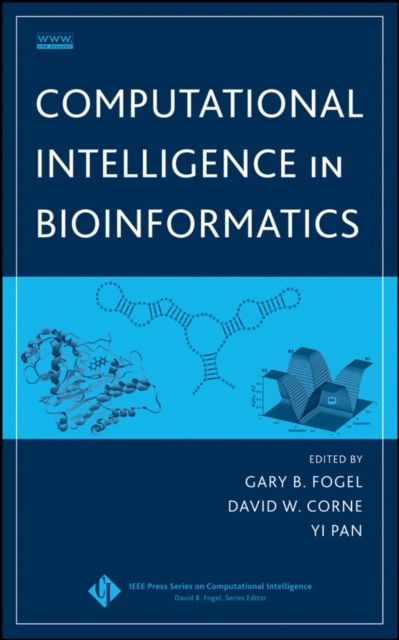
Combining biology, computer science, mathematics, and statistics, the field of bioinformatics has become a hot new discipline with profound impacts on all aspects of biology and industrial application.
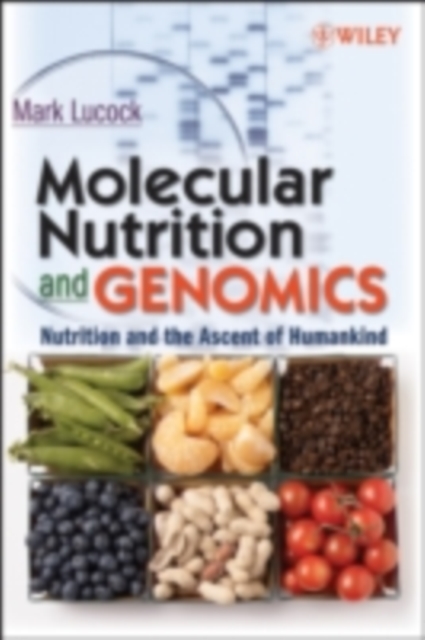
This fascinating book draws it subject matter from a range of relevant disciplines that extend from molecular nutrition, nutritional sciences, and nutrition dietetics through to genetics, genomics, and anthropology.
Advances in Genetics provides the latest information on the rapidly evolving field of genetics, presenting new medical breakthroughs that are occurring as a result of advances in our knowledge of the topic.
A critical factor in cell-to-cell interactions is the presence in the cell membrane of highly specific ion channels controlled by specific receptors that are bound to, and activated by, a gamut of external hormones and neurotransmitters.
This book contains a collection of papers on the molecular biology of the band 3 proteins and their various functions: as anion transporters, binding proteins for membrane skeleton, hemoglobin and glycolytic enzymes, and as a recognition signal for the removal of senescent cells by the immuno-system of the body.
As in Volumes 35 and 36, the chapters in this new volume complement, with personal recollections, the History of Biochemistry that was covered in the Comprehensive Biochemistry Series, Volumes 30-33 by M.
Advances in Genetics, Volume 109 in this ongoing series, highlights new advances in the field, with this new volume presenting interesting chapters written by an international board of authors.
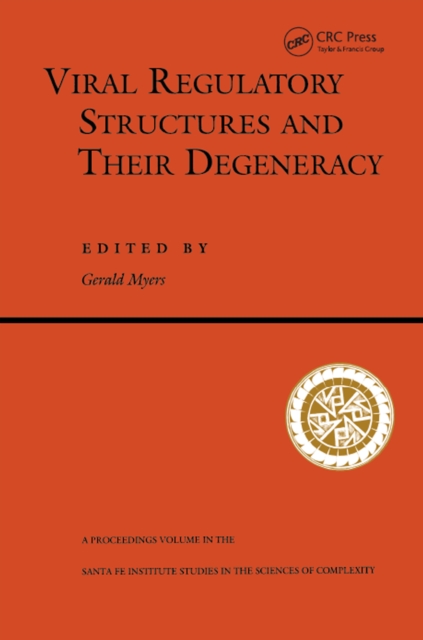
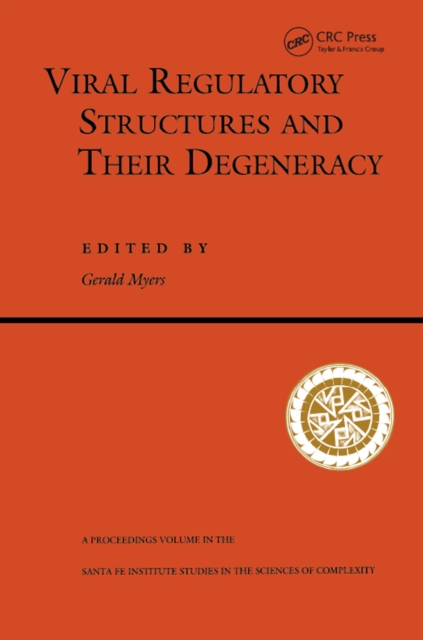
This book focuses on the nature, origins, and degeneracy (or redundancy) of viral regulatory elements and on the strategies that enable viruses to adapt to cells, examining experimental findings and models regarding HIV and HPV regulatory mechanisms.
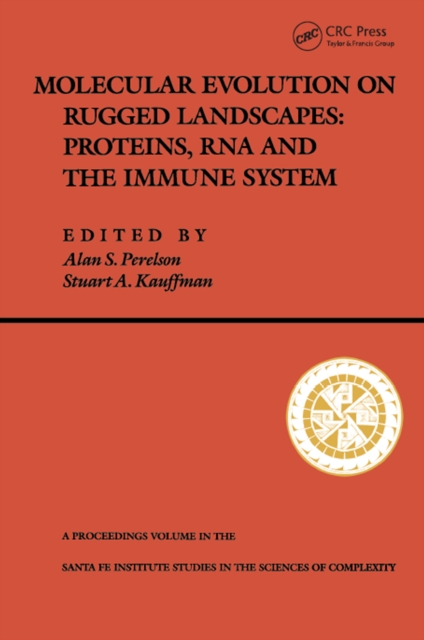
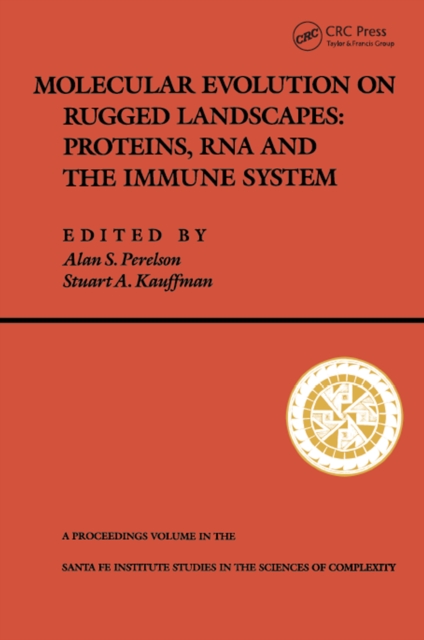
This book lays out a number of the general issues concerning the structure of rugged fitness landscapes and examines both the history and the current status of experimental work on somatic mutation and the maturation of the immune response.
This book focuses on the nature, origins, and degeneracy (or redundancy) of viral regulatory elements and on the strategies that enable viruses to adapt to cells, examining experimental findings and models regarding HIV and HPV regulatory mechanisms.
This book lays out a number of the general issues concerning the structure of rugged fitness landscapes and examines both the history and the current status of experimental work on somatic mutation and the maturation of the immune response.
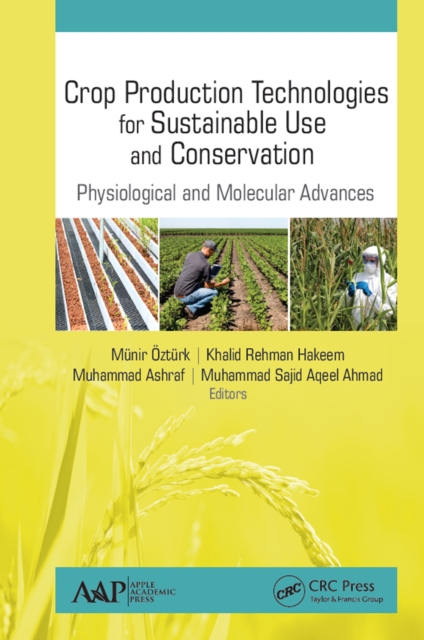
Crop Production Technologies for Sustainable Use and Conservation:Physiological and Molecular Advances presents an abundance of research on important and new production technologies for the successful sustainable production of major crops.
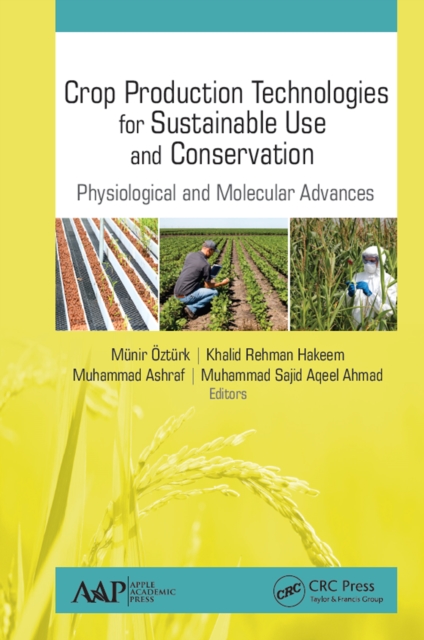
Crop Production Technologies for Sustainable Use and Conservation:Physiological and Molecular Advances presents an abundance of research on important and new production technologies for the successful sustainable production of major crops.
This volume focuses on the investigatory methods applied to autosomal dominant polycystic kidney disease (ADPKD), one of the most common human genetic diseases.
This volume focuses on the investigatory methods applied to autosomal dominant polycystic kidney disease (ADPKD), one of the most common human genetic diseases.
Plant volatiles-compounds emitted from plant organs to interact with the surrounding environment-play essential roles in attracting pollinators and defending against herbivores and pathogenes, plant-plant signaling, and abiotic stress responses.
Plant volatiles-compounds emitted from plant organs to interact with the surrounding environment-play essential roles in attracting pollinators and defending against herbivores and pathogenes, plant-plant signaling, and abiotic stress responses.
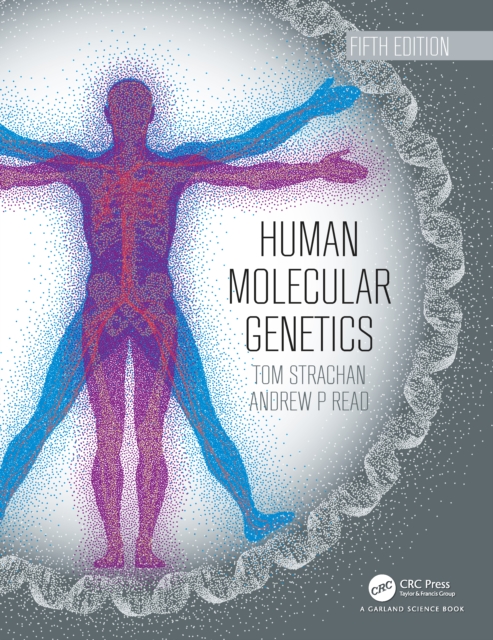
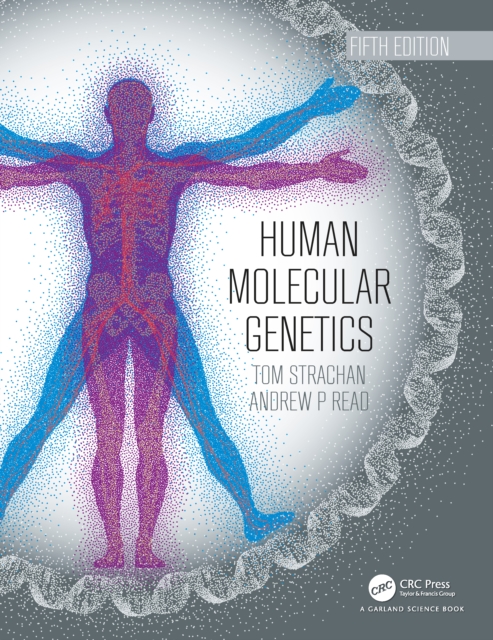
Human Molecular Genetics has been carefully crafted over successive editions to provide an authoritative introduction to the molecular aspects of human genetics, genomics and cell biology.
Human Molecular Genetics has been carefully crafted over successive editions to provide an authoritative introduction to the molecular aspects of human genetics, genomics and cell biology.
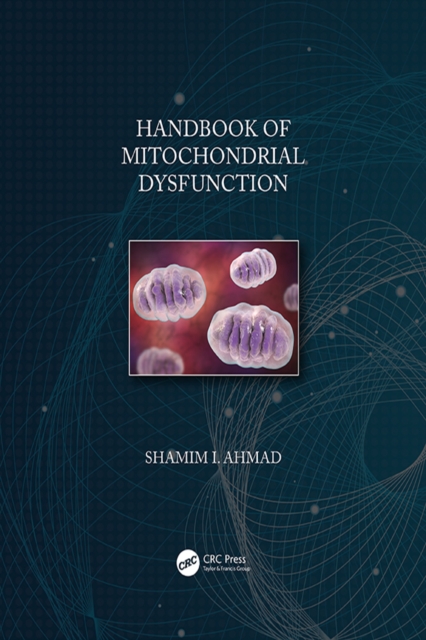
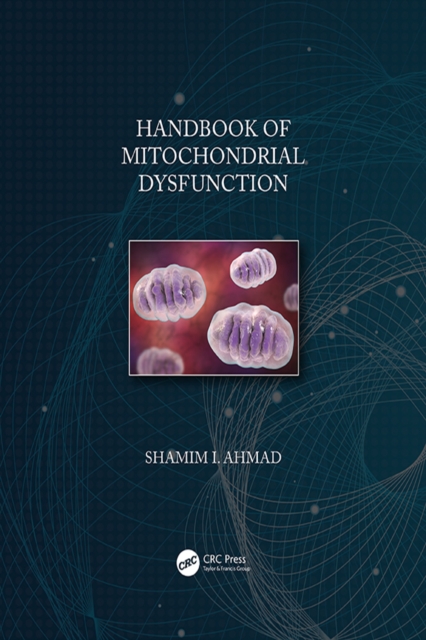
Mitochondria produce the chemical energy necessary for eukaryotic cell functions; hence mitochondria are an essential component of health, playing roles in both disease and aging.
Mitochondria produce the chemical energy necessary for eukaryotic cell functions; hence mitochondria are an essential component of health, playing roles in both disease and aging.
Microbial biotechnology is an important contributor to global business, especially in agriculture, the environment, healthcare, and the medical, food, and chemical industries.
Microbial biotechnology is an important contributor to global business, especially in agriculture, the environment, healthcare, and the medical, food, and chemical industries.