The critically acclaimed laboratory standard for forty years, Methods in Enzymology is one of the most highly respected publications in the field of biochemistry.
Enzymatic Basis of Detoxication, Volume I focuses on the catalytic mechanisms and physiological expression of the enzymes that are involved in the detoxication of foreign compounds.
For students as well as researchers this book describes the exciting new advances in the molecular biology of transport proteins and integrates this information with transport kinetics, function, and regulation.
Molecular Biology of the Skin: The Keratinocyte comprehensively reviews the major aspects of keratinocyte and epidermal differentiation, physiology, and pathology, primarily focusing on the molecular aspects.
Developments in genomics and biotechnology are opening up new avenues for accelerating the domestication of forest trees in a climate change driven world.
THE LATEST BREAKTHROUGHS IN COMPUTER-AIDED DRUG DESIGN AND DELIVERYThis definitive text provides in-depth information on computer-assisted techniques for discovering, designing, and optimizing new, effective, and safe drugs.
Cutting-edge in vivo imaging technologies and diagnostic techniquesIn Vivo Clinical Imaging and Diagnosis features full-color, high-resolution images and describes optical imaging and diagnostic systems in development for in vivo use.
GET FULLY UP-TO-DATE ON BIOINFORMATICS-THE TECHNOLOGY OF THE 21ST CENTURYBioinformatics showcases the latest developments in the field along with all the foundational information you'll need.
Smart genomes--an enthralling account of revolutionary discoveries at the cutting edge of genomics researchWritten by a molecular biologist at the forefront of genomics research, Darwin in the Genome is an exciting account of one of the hottest new theories in biology today: evolution by natural selection inevitably leads to strategic mutations.
Linkers in Biomacromolecules, Volume 647 in the Methods in Enzymology series, continues the legacy of this premier serial with quality chapters authored by leaders in the field.
Molecular Basis of Nutrition and Aging: A Volume in the Molecular Nutrition Series focuses on the nutritional issues associated with aging and the important metabolic consequences of diet, nutrition, and health.
Vibrational Spectroscopy in Protein Research offers a thorough discussion of vibrational spectroscopy in protein research, providing researchers with clear, practical guidance on methods employed, areas of application, and modes of analysis.
The second edition of this innovative work again provides a unique perspective on the clinical discovery process by providing input from experts within the NIH on the principles and practice of clinical research.
How genes are not the only basis of heredity-and what this means for evolution, human life, and diseaseFor much of the twentieth century it was assumed that genes alone mediate the transmission of biological information across generations and provide the raw material for natural selection.
This revised second edition covers the pharmacologic principles underlying the individualization of patient therapy and contemporary drug development, focusing on the fundamentals that underlie the clinical use and contemporary development of pharmaceuticals.
Corrosion studies have attracted considerable interest in the areas of materials chemistry and industrial chemistry, as it affects the direct and indirect costs of industry, leading to huge economic setbacks due to the need for repair, maintenance, and even shutdowns due corrosion damage.
Genomic Control Process explores the biological phenomena around genomic regulatory systems that control and shape animal development processes, and which determine the nature of evolutionary processes that affect body plan.
There have been several advancements made in high-throughput protein technologies creating immense possibilities for studying proteomics on a large scale.
Polycomb Group Proteins is a comprehensive volume detailing the mechanisms that are key to the management of genome function in many different contexts, from embryonic stem cells to terminal differentiation.
Steve Jones's highly acclaimed, double prize-winning, bestselling first book is now fully revised to cover all the new genetic breakthroughs from GM food to Dolly the sheep.
The most important investigation of genetic science since The Selfish Gene, from the author of the critically acclaimed and best-selling The Red Queen and The Origins of Virtue.
"e;A beautifully written journey into the mechanics of the world of the cell, and even beyond, exploring the analogy with computers in a surprising way"e; (Denis Noble, author of Dance to the Tune of Life).
Micro/Nanofluidics and Lab-on-Chip Based Emerging Technologies for Biomedical and Translational Research Applications, Volume 185, Part A represents the collation of chapters written by eminent scientists worldwide.
p53 in Breast Cancer: Molecular Mechanisms, Clinical Implications, and Therapeutic Targets comprehensively reviews the role of p53 in breast cancer development, progression, and treatment.
Tryptamine Microbiota-Deregulated Aminoacyl-tRNA Biosynthesis: A Conceptual Evolution of the Role of Microbiota Tryptamine in Human Diseases provides a detailed investigation into tryptamine, its underlying mechanisms, and metabolism across multiple diseases.
After the discovery of the structure of DNA in 1953, scientists working in molecular biology embraced reductionism-the theory that all complex systems can be understood in terms of their components.
This reference examines the cellular, molecular, and genetic mechanisms involved in airway inflammation, as well as the pathophysiology, epidemiology, and aetiology of asthma.
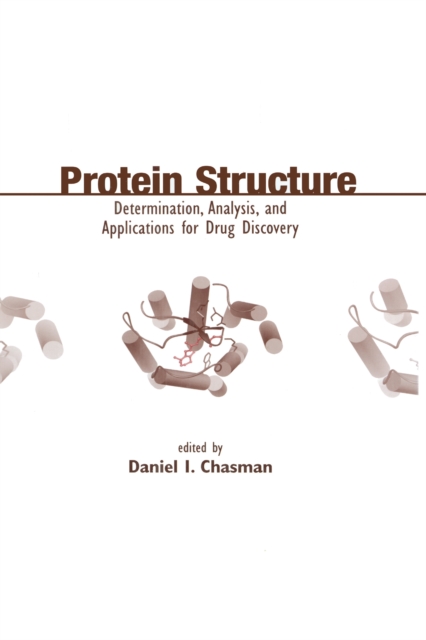
This text offers in-depth perspectives on every aspect of protein structure identification, assessment, characterization, and utilization, for a clear understanding of the diversity of protein shapes, variations in protein function, and structure-based drug design.
From disease marker identification to accelerated drug development, Protein Arrays, Biochips, and Proteomics offers a detailed overview of current and emerging trends in the field of array-based proteomics.
Written by prominent and international researchers directly involved in the area of polymeric vectors for gene delivery, this is the first book to specifically address polymeric gene delivery systems.
Strigolactones, Alkamides and Karrikins in Plants: Recent Updates and Future Prospects provides comprehensive knowledge on the various aspects of plant growth, physiology, and communication associated with the three potential biomolecules.
The most profound dilemma in assisted reproduction to date is the inability to recognize potentially viable embryos before their replacement into the reproductive tract.