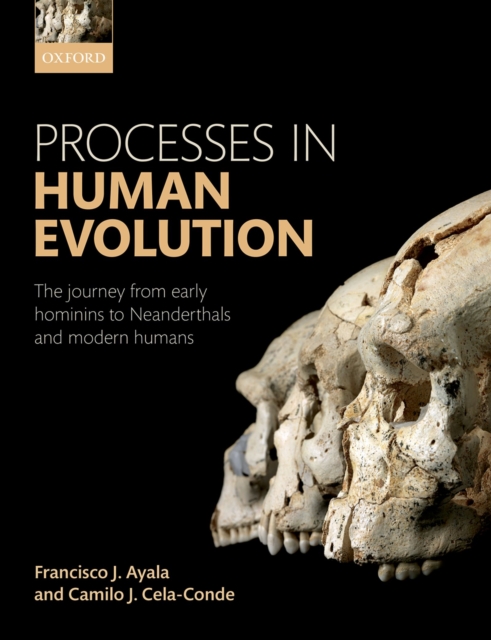
The discoveries of the last decade have brought about a completely revised understanding of human evolution due to the recent advances in genetics, palaeontology, ecology, archaeology, geography, and climate science.
Outline of Crystallography for Biologists is intended for researchers and students in the biological sciences who require an insight into the methods of X-ray crystallography without needing to learn all the relevant theory.
A complete account of the theory of the diffraction of X-rays by crystals, with particular reference to the processes of determining the structures of protein molecules.
Studies of evolution at the molecular level have experienced phenomenal growth in the last few decades, due to rapid accumulation of genetic sequence data, improved computer hardware and software, and the development of sophisticated analytical methods.
Studies of evolution at the molecular level have experienced phenomenal growth in the last few decades, due to rapid accumulation of genetic sequence data, improved computer hardware and software, and the development of sophisticated analytical methods.
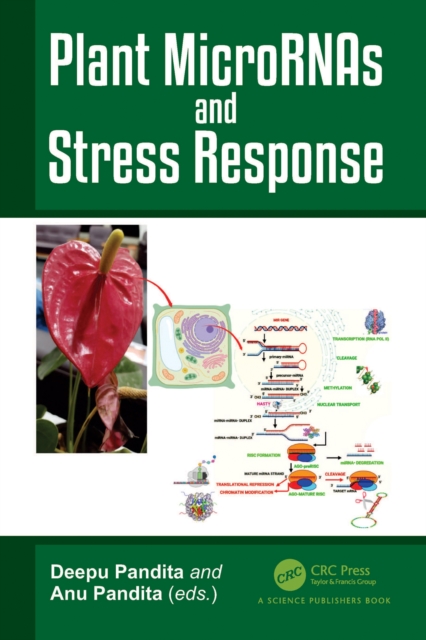
MicroRNAs (miRNAs) are small (20-24 nt), single stranded, regulatory RNA molecules or gene regulators of critical transcriptional or post-transcriptional gene regulation in plants in sequence-specific order that respond to numerous abiotic stresses and animals, non-coding, highly evolutionarily conserved and widely distributed throughout the plant kingdom.
MicroRNAs (miRNAs) are small (20-24 nt), single stranded, regulatory RNA molecules or gene regulators of critical transcriptional or post-transcriptional gene regulation in plants in sequence-specific order that respond to numerous abiotic stresses and animals, non-coding, highly evolutionarily conserved and widely distributed throughout the plant kingdom.
Since the publication of the first edition of this book in 2010, an explosion of spectacular discoveries in the field of regeneration has compelled the current revisit of the field of Regenerative Nephrology.
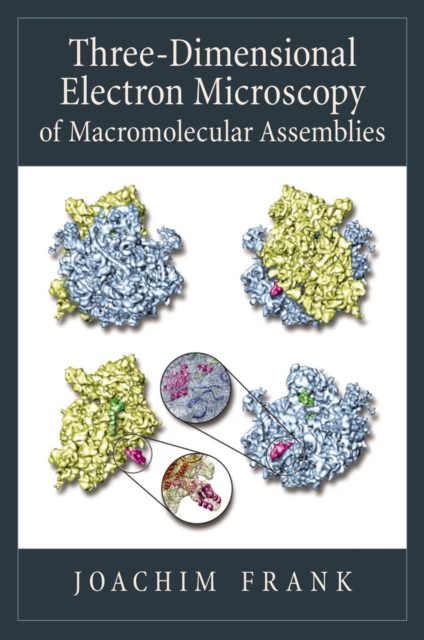
Cryoelectron microscopy of biological molecules is among the hottest growth areas in biophysics and structural biology at present, and Frank is arguably the most distinguished practitioner of this art.
Most analyses assume that genomes are to be read as linear text, much as a sequence of nucleotides can be translated into a sequence of amino acids by looking in a table.
Insects and fungi have a shared history of association in common habitats where together they endure similar environmental conditions, but only recently have mycologists and entomologists recognized and had the techniques to study the intricacies of some of the associations.
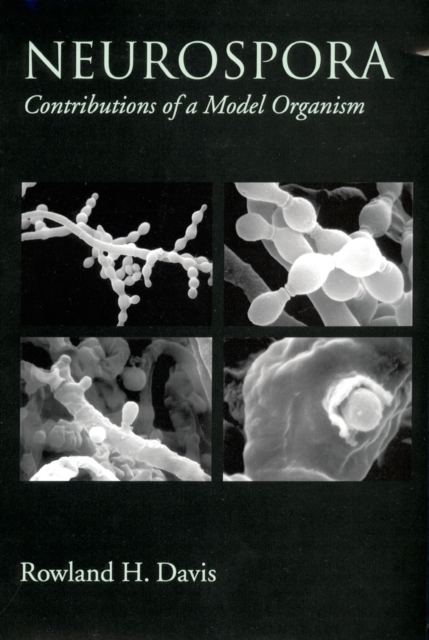
This book will serve as the definitive reference work on the basic physiology, biochemistry, development, genetics, and molecular biology of Neurospora, together with a description of basic laboratory methods.
Dancing Protein Clouds: Intrinsically Disordered Proteins in Health and Disease, Part B, represents a set of selected studies on a variety of research topics related to intrinsically disordered proteins.
The field of Mitochondrial Medicine has been dominated by symptom constellation-based diagnostic categorization since the first clinical syndrome was described three decades ago.
Genetic Control of Malaria and Dengue focuses on the knowledge, technology, regulation and ethics of using genetically modified mosquitoes to interrupt the transmission of important vector-borne diseases including Malaria.
Lanzkowsky's Manual of Pediatric Hematology and Oncology, Sixth Edition, is a comprehensive book on patient management, replete with algorithms and flow diagrams on diagnosis and management.
This unique advanced textbook provides a clear and comprehensive overview of gene delivery, gene therapy and genetic pharmacology, with descriptions of the main gene transfer vectors and a set of selected therapeutic applications, along with safety considerations.
Methods in Enzymology, Volume 644, the latest release in this ongoing serial, continues the legacy of this premier serial with quality chapters authored by leaders in the field.
Molecular Biology of Neurodegenerative Diseases: Visions for the Future, Part B, Volume 177 in the Progress in Molecular Biology and Translational Science series, provides the most topical, informative and exciting monographs available on a wide variety of research topics.
Advances in Genetics, Volume 107, provides the latest information on the rapidly evolving field of genetics, presenting new medical breakthroughs that are occurring as a result of advances in our knowledge of the topic.
Molecular and Laser Spectroscopy: Advances and Applications provides students and researchers with an up-to-date understanding of the fast-developing area of molecular and laser spectroscopy.
MiRNAs in Differentiation and Development, Volume 333, the latest in the International Review of Cell and Molecular Biology series, reviews and details current advances in cell and molecular biology.
Advanced Methods in Molecular Biology and Biotechnology: A Practical Lab Manual is a concise reference on common protocols and techniques for advanced molecular biology and biotechnology experimentation.
Twentieth Century Mouse Genetics: A Historical and Scientific Review provides a comprehensive examination of key advances in mouse genetics throughout the 20th century.
Ion Channels, Part C, Volume 653 in the Methods in Enzymology series, highlights new advances in the field with this new volume presenting interesting chapters on a variety of topics, including Nonsense suppression in ion channels, Engineering Ion Channels Using Protein Trans-splicing, Probing Ion Channel Neighborhoods Using APEX, STX based probes for NaVs, ANAP: a versatile, fluorescent probe of ion channel gating and regulation, High Throughput Screens for Small Molecule Ion Channel Modulators, Using toxins to study ion channels, Re/de-constructing ubiquitin regulation of ion channels, Tethered Peptide Toxins for Ion Channels, Voltage-Sensing Phosphatase Molecular Engineering, and more.
Pore Forming Toxins, Volume 649 in the Methods in Enzymology series continues the legacy of this premier serial with quality chapters authored by field leaders.
Pancreatic B Cell Biology in Health and Disease, Volume 360 presents the latest release in this ongoing series on the novel and widely studied physiology of pancreatic cells in homeostasis and under pathogenic conditions.
Protein Biosynthesis Interference in Disease offers a thorough discussion and overview of protein biosynthesis interference, its mechanisms of action, and influence over disease processes.
Since the publication of the first edition of this book in 2010, an explosion of spectacular discoveries in the field of regeneration has compelled the current revisit of the field of Regenerative Nephrology.
Clinical Bioenergetics: From Pathophysiology to Clinical Translation provides recent developments surrounding the etiology and pathophysiology of inherited and acquired energy-delated disorders.
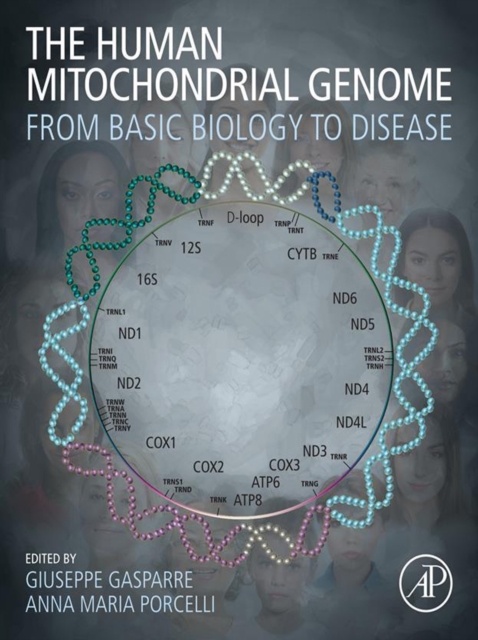
The Human Mitochondrial Genome: From Basic Biology to Disease offers a comprehensive, up-to-date examination of human mitochondrial genomics, connecting basic research to translational medicine across a range of disease types.