Bradykinin is a type of plasma hormone that causes blood vessels to dilate, resulting in a drop in blood pressure, the contraction of muscles in the lungs, intestines, and uterus, and pain.
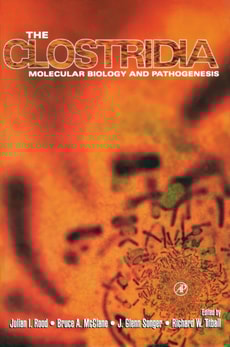
The clostridia are a group of bacteria of considerable medical and economic importance and include species responsible for generating the most potent toxins known to humans.
Techniques in Protein Chemistry VI, an invaluable bench-top reference source for protein chemists, highlights current methods in the following areas:- Protein sequencing and amino acid analysis- Mass spectral analysis of peptides and proteins- Posttranslational processing- High-sensitivity protein and peptide separations- Protein folding and NMR- Analysis of protein interactions- Protein design and engineeringTechniques in Protein Chemistry VI, an invaluable bench-top reference source for protein chemists, highlights current methods in the following areas:- Protein sequencing and amino acid analysis- Mass spectral analysis of peptides and proteins- Posttranslational processing- High-sensitivity protein and peptide separations- Protein folding and NMR- Analysis of protein interactions- Protein design and engineering
This volume of the treatise deals with structural aspects of the cytoskeleton: the characteristics of the filaments and their components; the organization of the genes; motor proteins; interactions with membranes.
In this volume of Cell and Molecular Responses to Stress articles provide up-to-date information on key areas of signal sensing (sensing of pain, heat, cold, light, infrared radiation), molecules involved in the intracellular transmission of these signals, metabolic responses to stress including changes in gene expression and production of specialized proteins that aid cell responses to factors including interrupted blood supply (ischemia), oxygen limitation (hypoxia/anoxia), freezing and dehydration, amino acid limitation, radiation and processing drugs.
This volume deals with functions of the cytoskeleton in different cellular processes such as cell compartmentation and organelle transport, secretion and cell attachment.
The design and production of novel peptides and proteins occupy pivotal positions in science and technology and will continue to do so in the 21st century.
This volume of Cell and Molecular Responses to Stress has two broad themes: an examination of selected protein adaptations that support stress tolerance and an analysis of signal transduction systems, those critical links between the perception of stress and the activation of the coordinated metabolic responses that ensure survival.
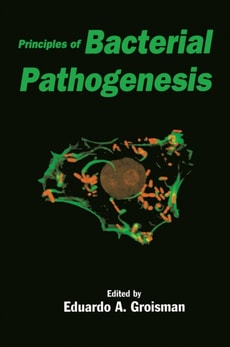
Principles of Bacterial Pathogenesis presents a molecular perspective on a select group of bacterial pathogens by having the leaders of the field present their perspective in a clear and authoritative manner.
Photoperiodism is the response to the length of the day that enables living organisms to adapt to seasonal changes in their environment as well as latitudinal variation.
Nuclear Structure and Gene Expression assimilates the contributions of genome organization and of the components of the nuclear matrix to the control of DNA and RNA synthesis.
The detection and measurement of the dynamic interactions of proteins within the living cell are critical to our understanding of cell physiology and pathophysiology.
In this book, the progress during the last ten years is reviewed and future plans outlined to realize and establish the concept of design in the biological sciences.
Metabolic engineering is a new field with applications in the production of chemicals, fuels, materials, pharmaceuticals, and medicine at the genetic level.
The purpose of this module is to provide a survey of the rapidly expanding field of developmental biology and to introduce it to the student in a unifying way.
The first of its kind, Introduction to Biophysical Methods for Protein and Nucleic Acid Research serves as a text for the experienced researcher and student requiring an introduction to the field.
Comprising by far the largest and most diverse group of vertebrates, fishes occupy a broad swathe of habitats ranging from the deepest ocean abyss to the highest mountain lakes.
Progress in molecular technology in recent years has caused an amazing growth of information about intercellular peptide messengers and their receptors.
Food biotechnologists are expected to satisfy many requirements related to health benefits, sensory properties and possible long term effects associated with the consumption of food produced via modern biotechnology.
Extracellular Matrix of the Liver addresses the basic science of the extracellular matrix and discussesnew strategies for the treatment of cirrhosis of the liver, with a primary focus on possible gene therapyapproaches.
This book addresses complex problems associated with crop improvement programs, using a wide range of programming solutions, for genomics data handling and sustainable agriculture.
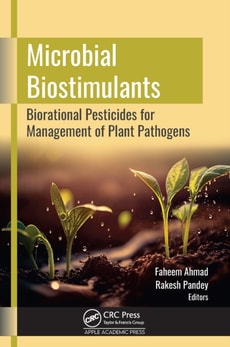
This new volume explores the field of microbial biostimulants, a new and emerging field of plant study that emphasizes the benefit of microbes for plants.
Biosecurity in the Age of Synthetic Biology is a comprehensive review of the biosecurity issues faced by the innovative and rapidly evolving field of synthetic biology.
The purpose of this volume is to provide a synopsis of present knowledge of the structure, organisation, and function of cellular organelles with an emphasis on the examination of important but unsolved problems, and the directions in which molecular and cell biology are moving.
This volume illustrates the extent to which the traditional distinction between biochemical and physiological processes is being obliterated by molecular biology.