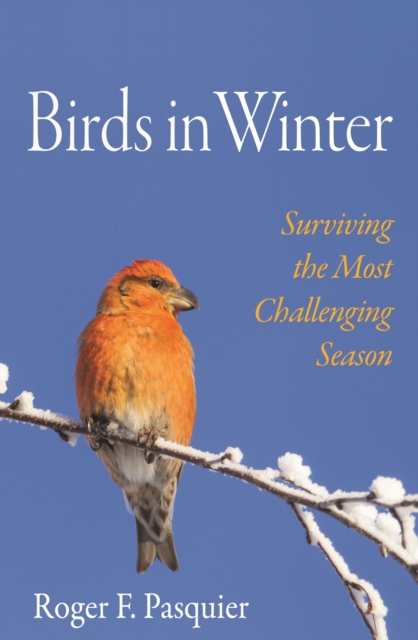
How birds have evolved and adapted to survive winterBirds in Winter is the first book devoted to the ecology and behavior of birds during this most challenging season.
'This book isn't just a guide; it's a lifeline' Shirley Ballas, head judge, Strictly Come Dancing, and ambassador for CALM and Suicide&CoWorldwide, suicide is one of the leading causes of death among young people, and numbers continue to increase.
'A tour-de-force survey of how birds live their lives - with all the drama, surprise, humour, sadness and amazement of any human soap-opera' - Stephen Moss, author of Ten Birds That Changed the World'Utterly fascinating .
Noah Strycker comparte las experiencias que ha adquirido en sus trabajos de campo estudiando a las aves, En cada uno de los trece capítulos de este libro el protagonista es un ave distinta, de esta forma pasa del encuentro con una paloma al comer una hamburguesa al éxito de las carreras de palomas y el instinto de éstas para volver a casa; expone las posibles contribuciones médicas del estudio de los buitres y las que ya ha hecho el análisis de las parvadas de estorninos a la animación, así como la influencia de las gallinas en los primeros trabajos sobre las relaciones jerárquicas y de poder; también aborda el agitado ritmo de vida de los violentos colibríes y el estilo de vida nómada que han desarrollado los búhos blancos, forzados por las condiciones adversas de las remotas zonas que habitan; habla del miedo de los pingüinos, el amor que parecen profesar los albatros, el altruismo de las ratonas australianas y la memoria de los cascanueces para analizar los posibles principios de estas características en el hombre y su propósito en la evolución; igualmente hace alusión a las habilidades artísticas de los pergoleros y el ritmo de una peculiar cacatúa para disertar sobre la función del arte y la música en nuestra vida; también estudia las curiosas urracas, capaces de reconocerse frente al espejo, en cuyo comportamiento podríamos encontrar las claves del individualismo y los axiomas que rigen los sentimientos
Für den Schreiber, Denker und Dichter Giacomo Leopardi sind Vögel "die fröhlichsten Geschöpfe auf der Welt" – von den volatilen Wesen bezaubert ist auch unser Autor.
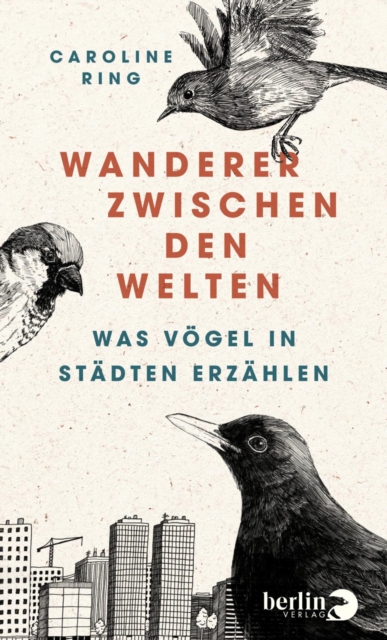
Die Stadt aus der VogelperspektiveHalsbandsittiche im Rheinland, Nilgänse in Frankfurt, Nachtigallen in Berlin: Die Vogelwelt in den Städten verändert sich.
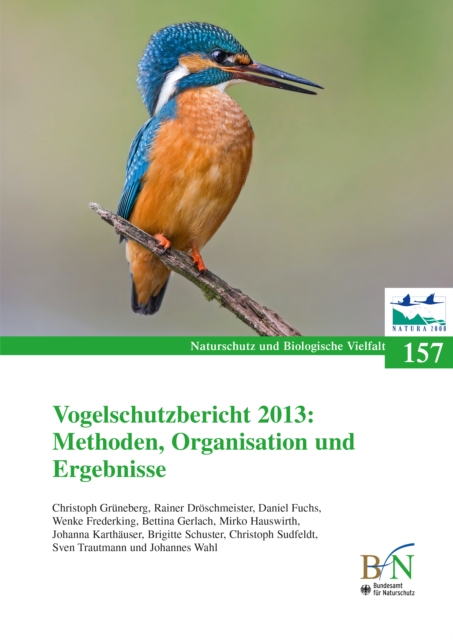
Seit der Einführung der Vogelschutzrichtlinie im Jahr 1979 stehen alle heimischen wildlebenden Vogelarten auf dem Gebiet der Europäischen Union unter Schutz.
Extrait : "On ne doit s'attendre à trouver dans les plus riches collections ornithologiques et entomologiques, à plus forte raison dans les quelques pages qui vont suivre, qu'un faible aperçu du monde de l'air : monde infini comme celui de la mer, et qui, pour arriver à l'insecte et à l'oiseau, commence par des milliards de milliards de corpuscules invisibles, poussière impalpable qui se mêle aux molécules gazeuses.
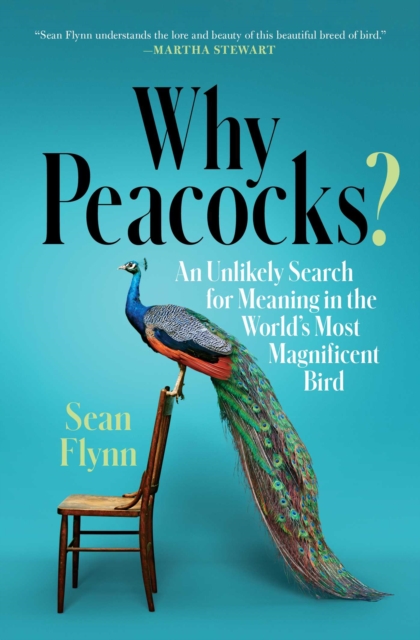
An acclaimed journalist seeks to understand the mysterious allure of peacocksand in the process discovers unexpected and valuable life lessons in this funny, poignant memoir and natural history.
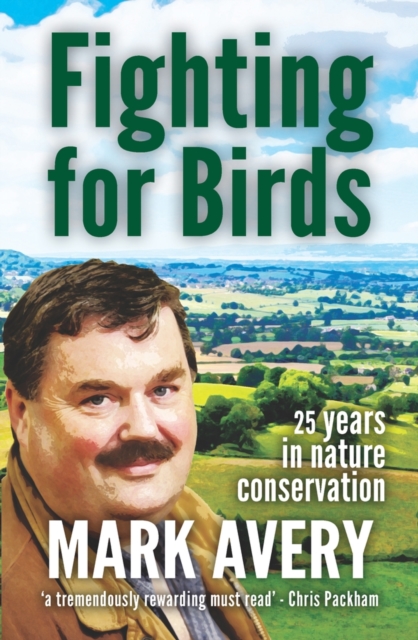
Devoted to birds and wildlife since childhood, Mark's early scientific research at Oxford, Aberdeen and the RSPB provided a solid background for his management, ambassadorial, and political lobbying activities which were to follow - and his larger than life, yet quietly humane personality has provided the final tools in his own, unique, nature conservationists' toolbox.
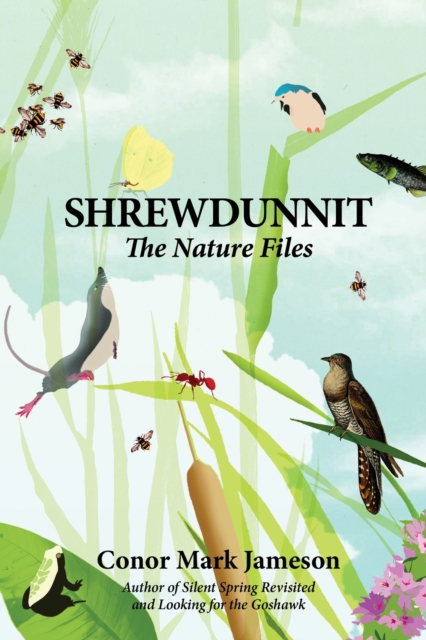
Conor Mark Jameson has spent most of his life exploring the natural environment and communicating his enthusiasm for it to family, friends and, more recently, readers of a range of newspapers and magazines.
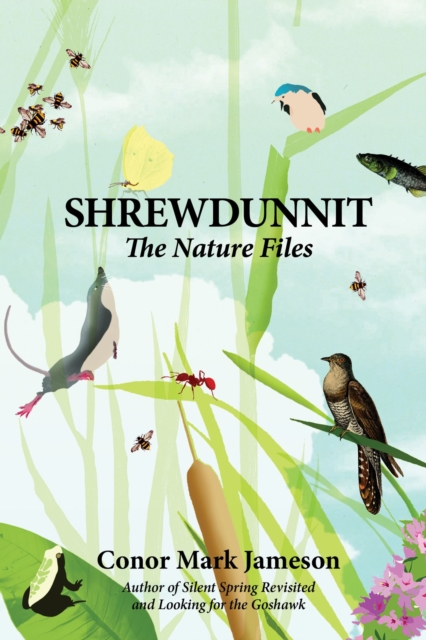
Conor Mark Jameson has spent most of his life exploring the natural environment and communicating his enthusiasm for it to family, friends and, more recently, readers of a range of newspapers and magazines.
'A thrilling celebration of lighthouses' i newspaperAn enthralling history of Britain's rock lighthouses, and the people who built and inhabited themLighthouses are enduring monuments to our relationship with the sea.
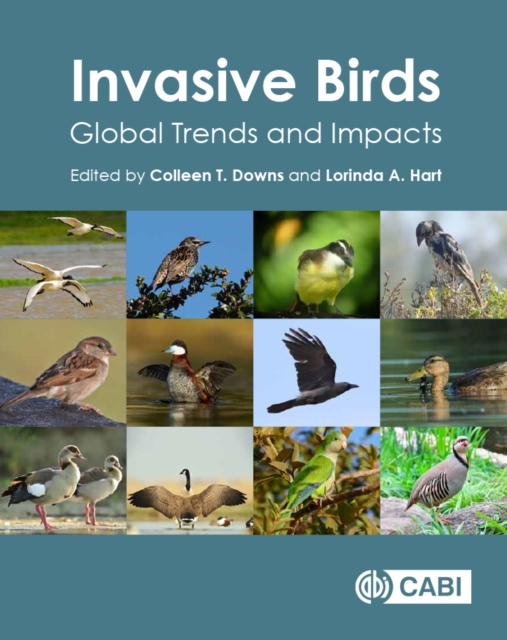
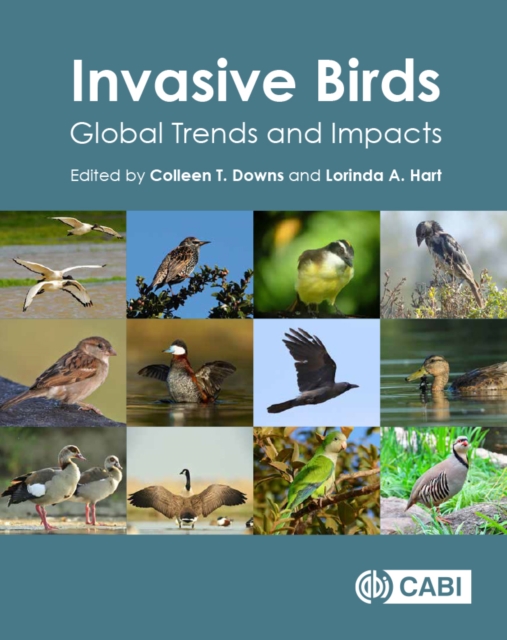
Examining globally invasive alien birds, the first part of this book provides an account of 32 global avian invasive species (as listed by the Invasive Species Specialist Group, ISSG).
Examining globally invasive alien birds, the first part of this book provides an account of 32 global avian invasive species (as listed by the Invasive Species Specialist Group, ISSG).
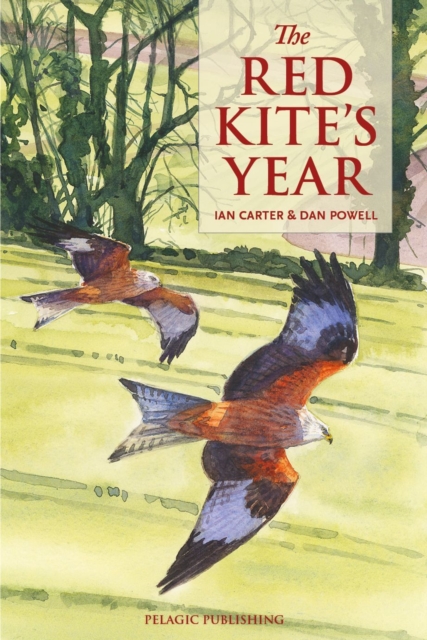
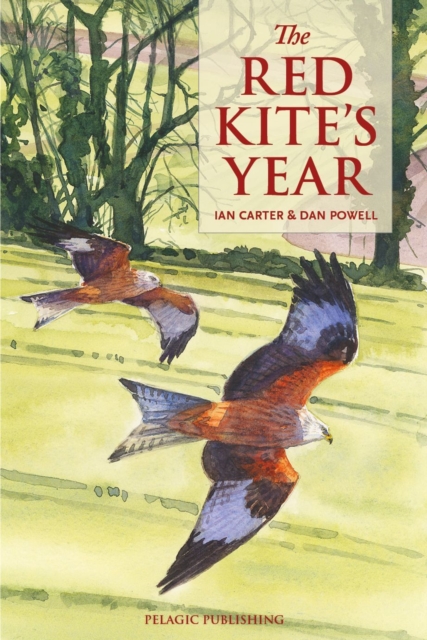
'thoroughly recommended' -Country-side magazineThe Red Kite (Milvus milvus) one of our most elegant and impressive birds of prey has a varied and dramatic history in Britain.
'thoroughly recommended' -Country-side magazineThe Red Kite (Milvus milvus) one of our most elegant and impressive birds of prey has a varied and dramatic history in Britain.
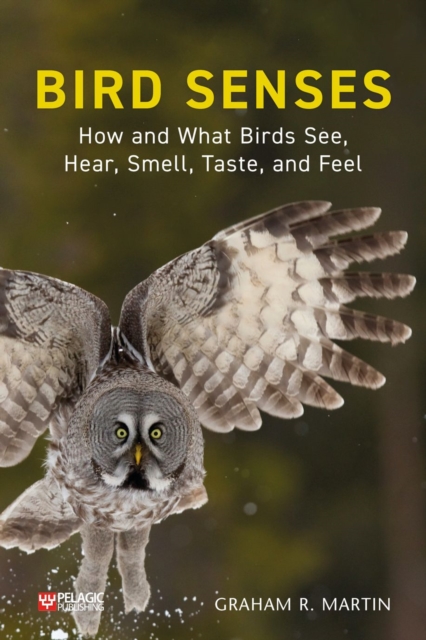
Graham Martin takes the reader deep into the world of birds from a new perspective, with a 'through birds' eyes' approach to ornithology that goes beyond the traditional habitat or ecological point of view.
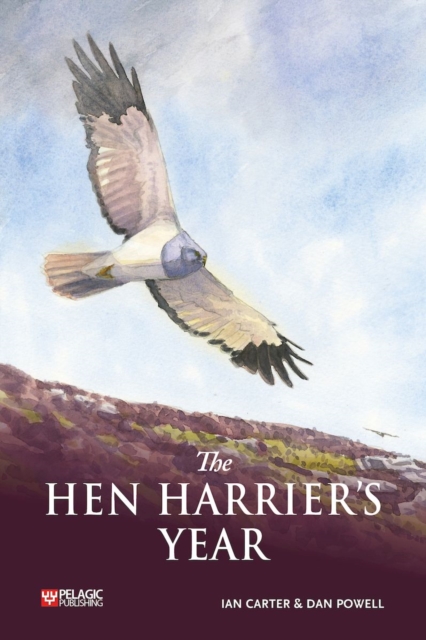
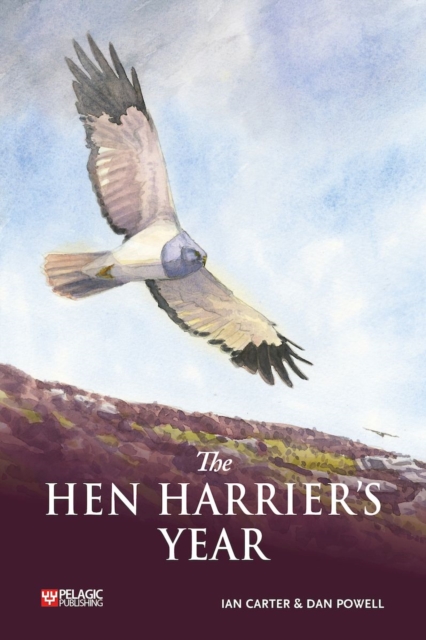
Most British birds of prey have largely recovered from historical persecution, but the beleaguered Hen Harrier is still struggling and remains far less common than it should be.
Most British birds of prey have largely recovered from historical persecution, but the beleaguered Hen Harrier is still struggling and remains far less common than it should be.