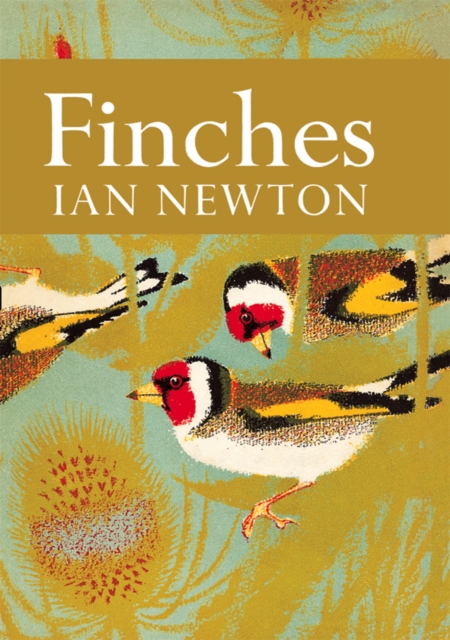
In the latest addition to the New Naturalist series, Ian Newton explores bird populations and what causes their fluctuation - food supplies, competitors, predators, parasites, pathogens and human activity.
Join zoologist Mark Carwardine and Britain's best-loved wit and raconteur, Stephen Fry, as they follow in their great friend Douglas Adams' footsteps, in search of some of the rarest and most threatened animals on Earth.
Drawn from Paradise is David Attenborough's journey through the cultural history of the birds of paradise, one of the most exquisite and extravagant, colourful and intriguing families of birds.
After the best part of forty years spent either living under his parents' roof, in the tropical rainforests of three continents, a vast array of student digs or most recently a one-bedroom flat, The One Show's Mike Dilger has at last bought a house - and with it, a (potentially) glorious garden.
British Game ranges beyond the strict legal interpretation of game and is full of interesting details about the birds and beasts that should interest sportsmen.
Revealing the impact of civilisation upon our bird life, with particular reference to the species that have come to rely largely on types of habitat greatly modified or actually formed by human action.
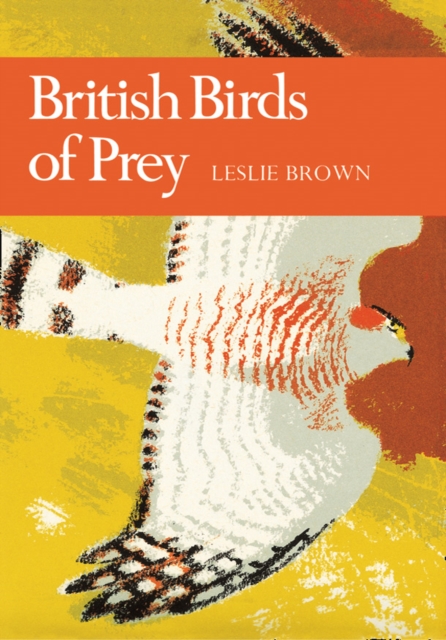
Leslie Brown's account of our 15 resident, 7 vagrant and 2 migrant species of eagles, falcons, hawks and vultures in Britain presents a great mass of scientific information about our birds of prey in a manner as attractive to the general reader as to the dedicated ornithologist.
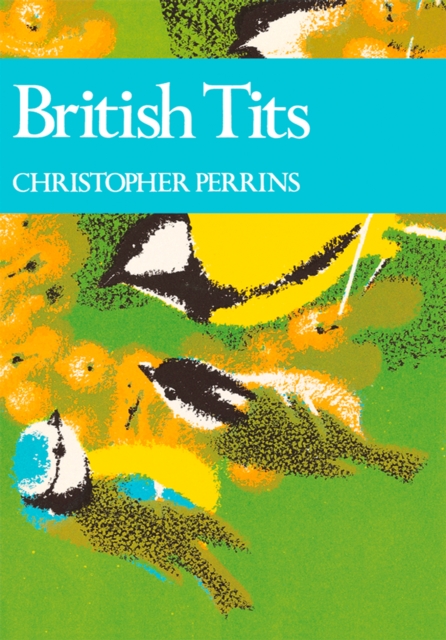
In addition to dealing with the general biology and behaviour of the birds, Dr Perrins gives full attention to such things as their social lives, their intelligence and adaptiveness, and their puzzling ability to adjust their population sizes to the future availability of food.
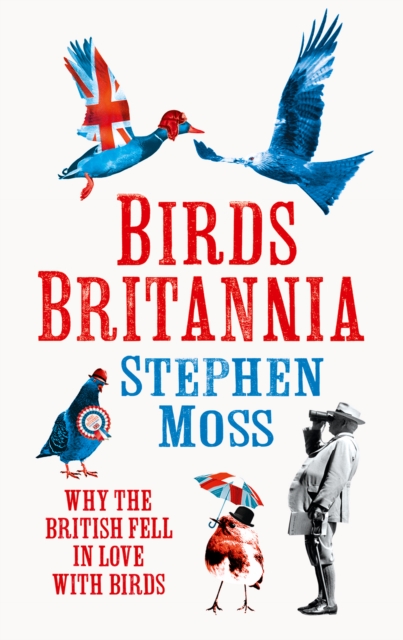
Birds and bird lore provide a fascinating window onto our social and cultural history, and can tell us much about our changing relationship with the British landscape, our people and society.
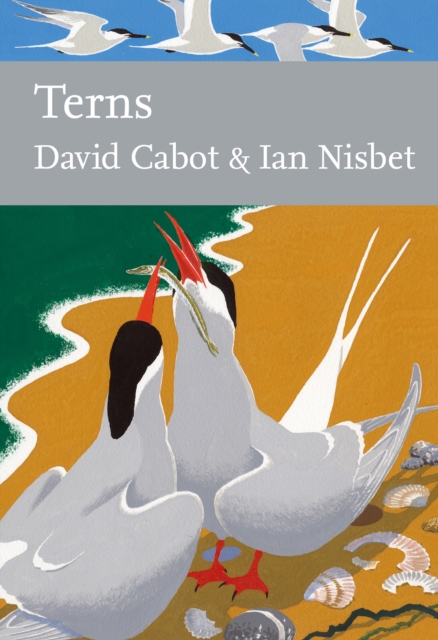
This New Naturalist volume provides a much-anticipated overview of these fascinating birds - the first book on the natural history of British and Irish terns since 1934.
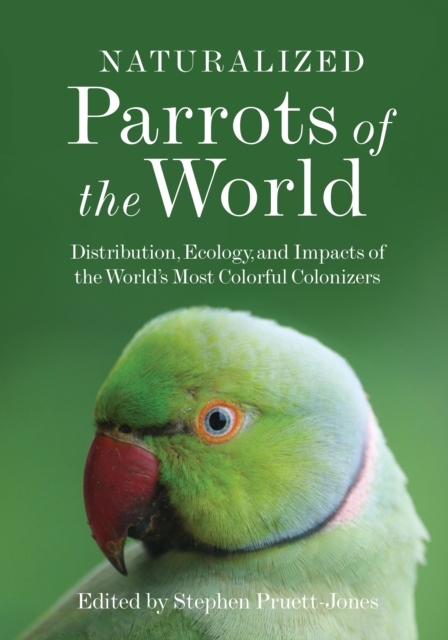
A remarkable exploration of naturalized parrots, among the most widely distributed birds in the worldThere are more than 350 species of parrots in the world, and approximately 300 of these species have been transported to other countries through the caged pet trade.
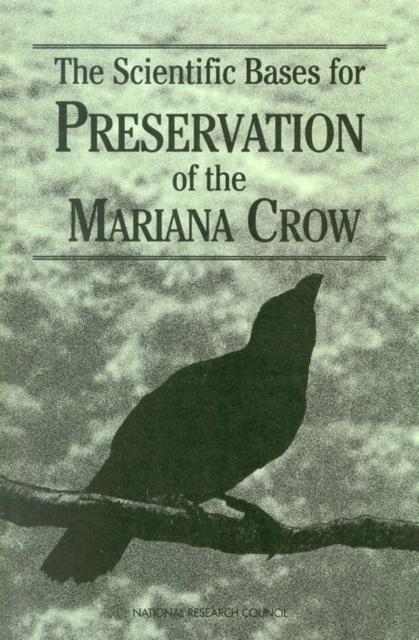
This book, while focusing on current preservation challenges posed by the Aga, or Mariana crow, also reflects the larger issues and challenges of biodiversity conservation in all oceanic island ecosystems.
This book, while focusing on current preservation challenges posed by the Aga, or Mariana crow, also reflects the larger issues and challenges of biodiversity conservation in all oceanic island ecosystems.
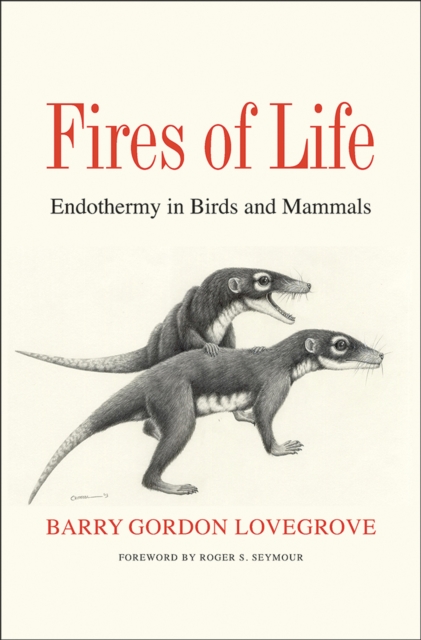
"e;Vividly narrated and illustrated"e; this analysis of how endothermy evolved in birds and mammals is "e;provocative and fascinating"e; (Southeastern Naturalist).
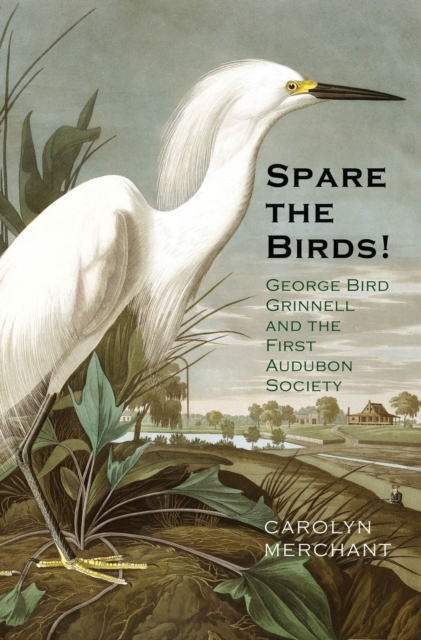
An engaging history of the founding of one of the world’s most popular environmental organizations, the Audubon Society In 1887, a year after founding the Audubon Society, explorer and conservationist George Bird Grinnell launched Audubon Magazine.
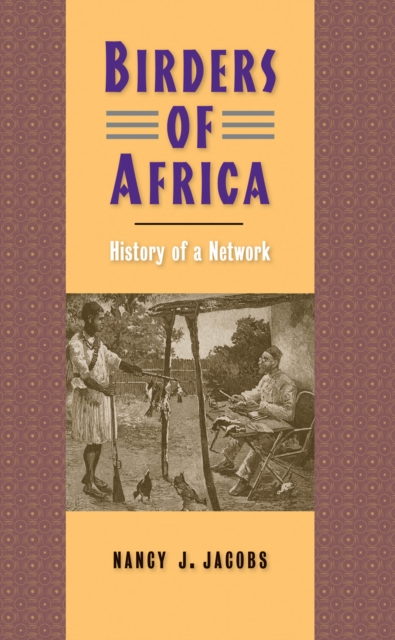
In this unique and unprecedented study of birding in Africa, historian Nancy Jacobs reconstructs the collaborations between well-known ornithologists and the largely forgotten guides, hunters, and taxidermists who worked with them.
Amateurs and professionals studying birds at the end of the nineteenth century were a contentious, passionate group with goals that intersected, collided and occasionally merged in their writings and organizations.
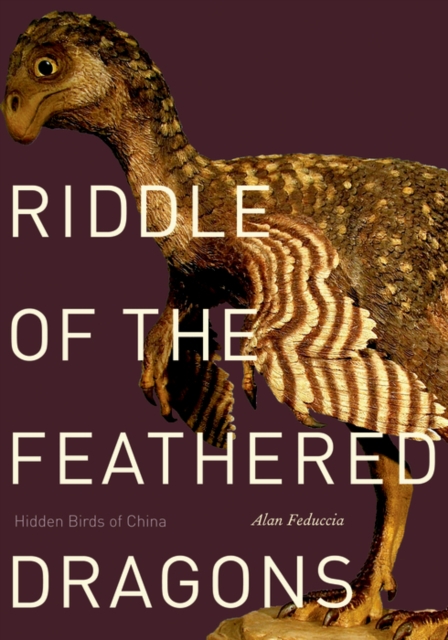
Examining and interpreting recent spectacular fossil discoveries in China, paleontologists have arrived at a prevailing view: there is now incontrovertible evidence that birds represent the last living dinosaur.
The diversity and drama of the bird world is brought to breathtaking life in an encyclopedic new editionThis photographic guide to every bird order and family profiles more than 1,280 species, pictured in their native environment by photographers around the globe.
The Adelie penguin is one of the best-studied birds in the world and is the subject of research programs from a dozen nations interested in monitoring changes in the environment and the food webs of the Southern Ocean.
Whether we live in cities, in the suburbs, or in the country, birds are ubiquitous features of daily life, so much so that we often take them for granted.
Along with reproduction, balancing energy expenditure with the limits of resource acquisition is essential for both a species and a population to survive.
At the center of Stefan Bargheer's account of bird watching, field ornithology, and nature conservation in Britain and Germany stands the question of how values change over time and how individuals develop moral commitments.