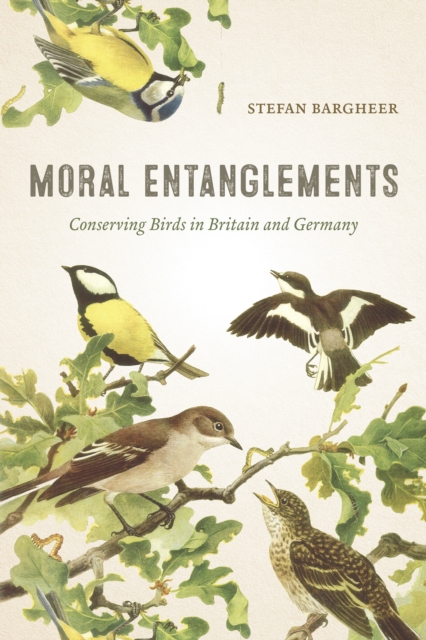
At the center of Stefan Bargheer's account of bird watching, field ornithology, and nature conservation in Britain and Germany stands the question of how values change over time and how individuals develop moral commitments.
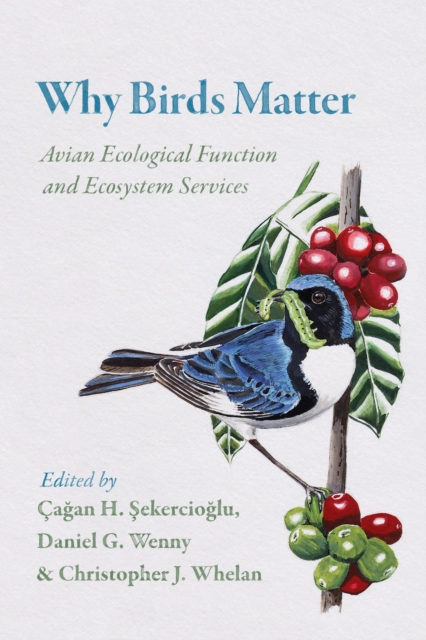
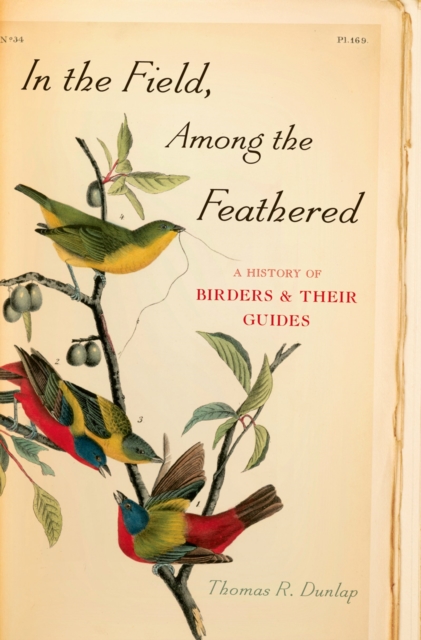
For over one hundred years, ornithologists and amateur birders have jointly campaigned for the conservation of bird species, documenting not only birds' beauty and extraordinary diversity, but also their importance to ecosystems worldwide.
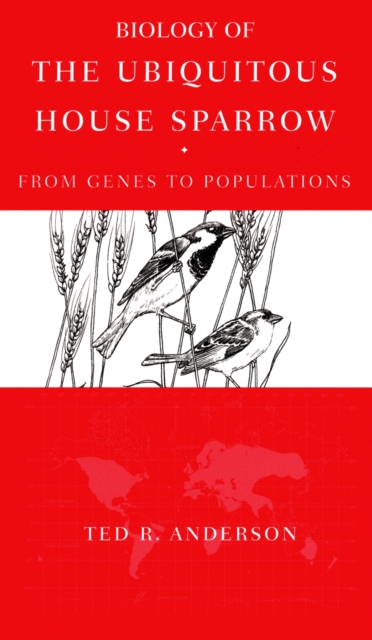
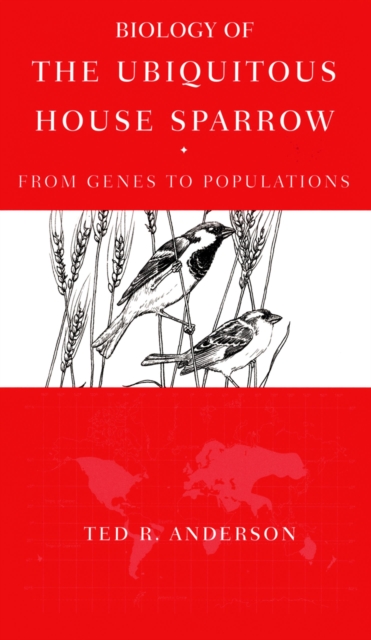
After the chicken, the House Sparrow is the most widely distributed bird species in the world, occurring on all continents except Antarctica and on most human-inhabited islands.
The apparent decline in numbers among many species of migratory songbirds is a timely subject in conservation biology, particularly for ornithologists, ecologists, and wildlife managers.
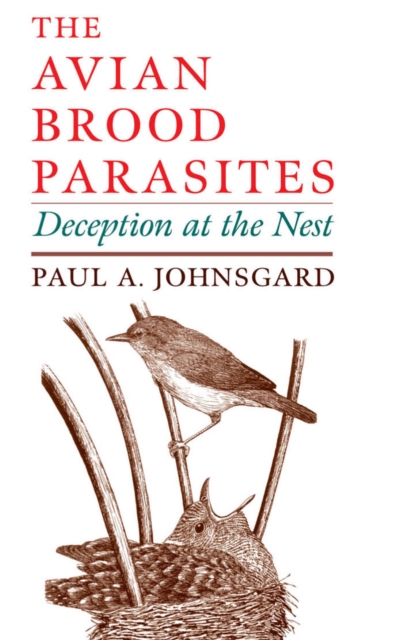
The evolutionary, ecological and behavioral questions posed by obligate brood parasites are among the most intriguing of all contemporary ornithological topics.
Climate change issues are attracting rapidly increasing interest from a wide range of biologists due to their unprecedented effects on global biodiversity, although there remains a lack of general knowledge as to the environmental consequences of such rapid change.
Essential Ornithology provides the reader with a concise but comprehensive introduction to the biology of birds, one of the most widely studied taxonomic groups.
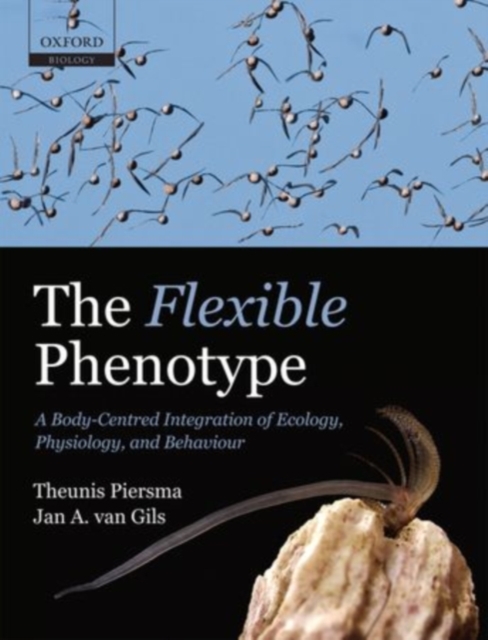
The Flexible Phenotype attempts a true synthesis of physiology, behaviour, and ecology by developing an empirical argument that describes the intimate connections between phenotypes and their environments.
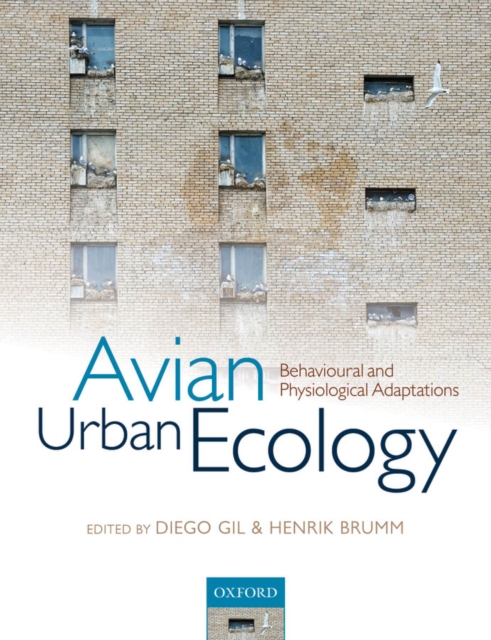
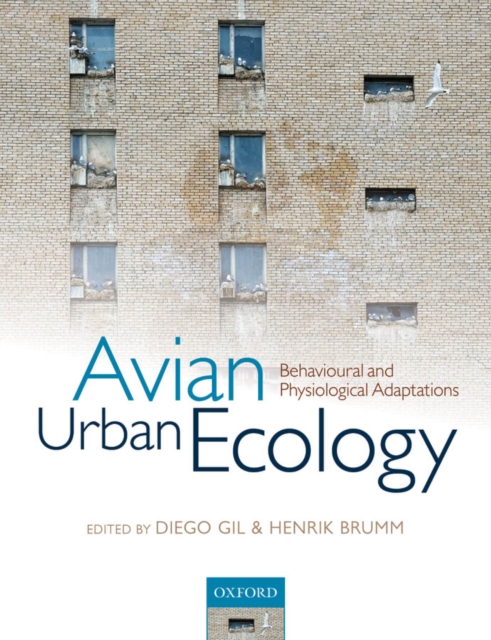
As natural habitat continues to be lost and the world steadily becomes more urbanized, biologists are increasingly studying the effect this has on wildlife.
As natural habitat continues to be lost and the world steadily becomes more urbanized, biologists are increasingly studying the effect this has on wildlife.
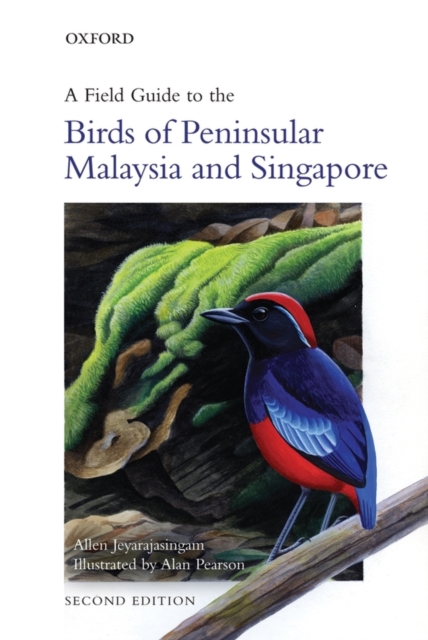
This new edition is the most comprehensive field guide to the birds of Peninsular Malaysia and Singapore, covering all 673 species known to occur in the region.
The Flexible Phenotype attempts a true synthesis of physiology, behaviour, and ecology by developing an empirical argument that describes the intimate connections between phenotypes and their environments.
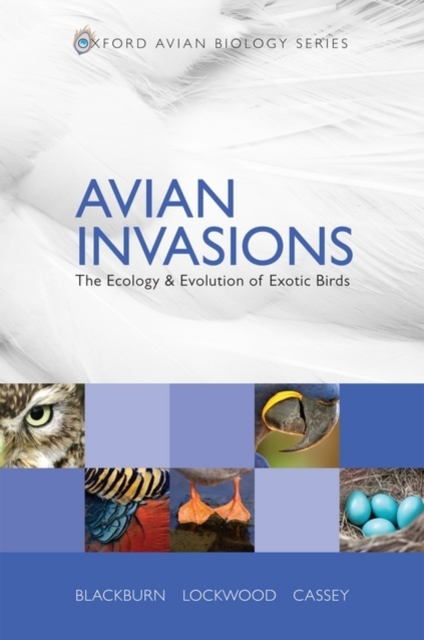
Biological invaders represent one of the primary threats to the maintenance of global biodiversity, human health, and the success of human economic enterprises.
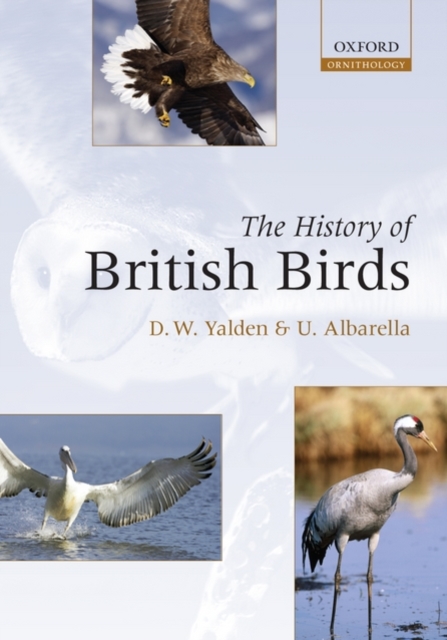
The History of British Birds reviews our knowledge of avifaunal history over the last 15,000 years, setting it in its wider historical and European context.
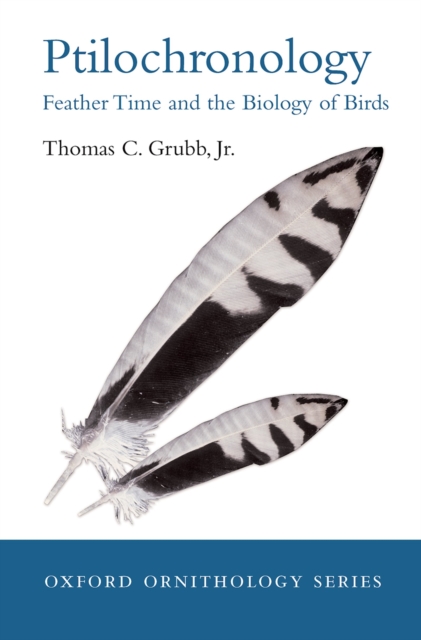
This is the first book to summarize the methods, conceptual issues and results of studies using the interpretation of feather growth rates as an index of nutritional condition in birds.
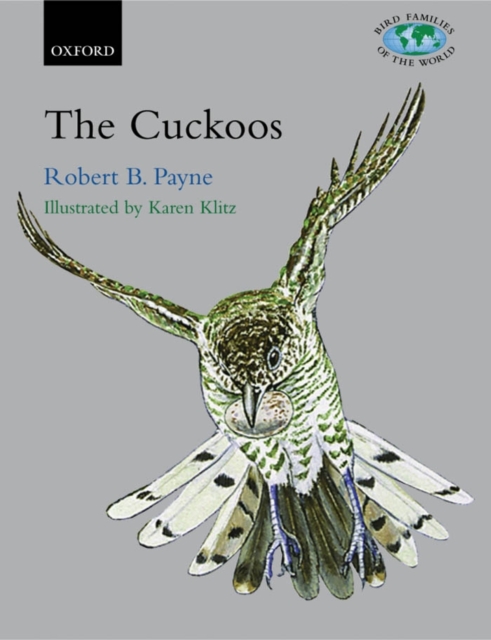
The cuckoos are the most variable birds in social behavior and parental care: a few cuckoos are among the most social of all birds and rear their young in a common nest; most cuckoos are caring parents that rear their own young with some females laying a few eggs in the nests of others; while many cuckoo species are brood parasites who leave their eggs in the nests of other birds to rear, with their young maturing to kill their foster nestmates.
Nests, Eggs, and Incubation brings together a global team of leading authorities to provide a comprehensive overview of the fascinating and diverse field of avian reproduction.
Nests, Eggs, and Incubation brings together a global team of leading authorities to provide a comprehensive overview of the fascinating and diverse field of avian reproduction.
After the chicken, the House Sparrow is the most widely distributed bird species in the world, occurring on all continents except Antarctica and on most human-inhabited islands.
This revised edition will continue to serve as the most complete and up-to-date guide to the use of the avian embryo in studies of vertebrate development.