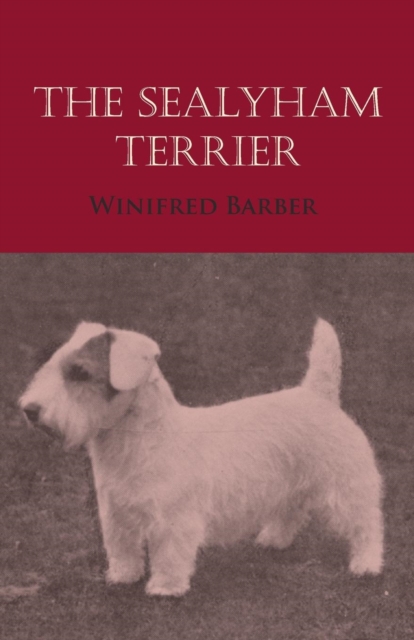
This book contains a detailed guide to the sheep-dog, being a handbook on the system of judging sheep-dog trails in New Zealand and the art of breaking-in and working sheep-dogs.
For most of us, the story of mammal evolution starts after the asteroid impact that killed the dinosaurs, but over the last 20 years scientists have uncovered new fossils and used new technologies that have upended this story.
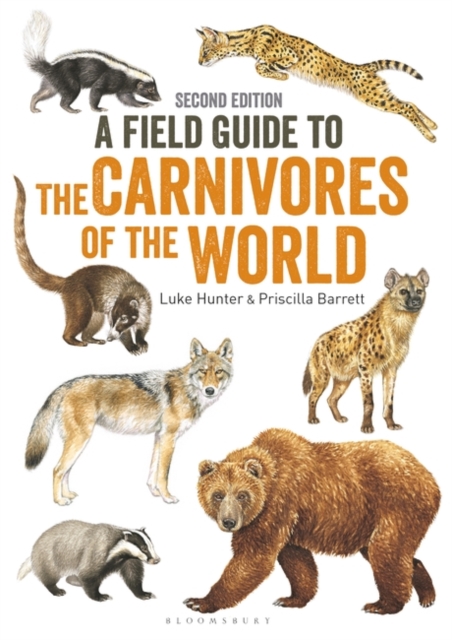
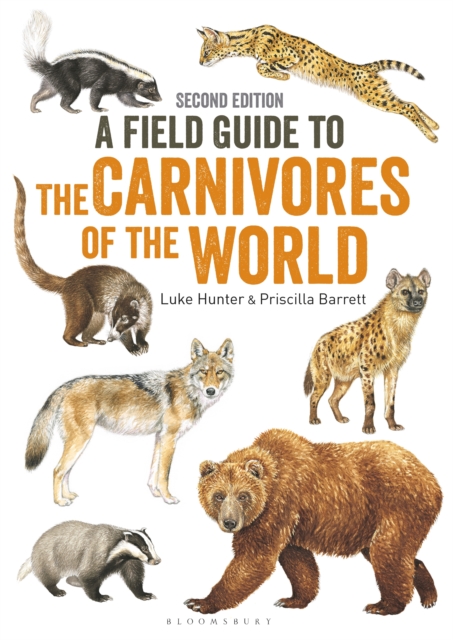
From the largest terrestrial carnivore, the Polar Bear, to the tiny Least Weasel that can squeeze through a wedding ring, the true carnivores include some of the world's most charismatic, admired, feared and spectacular creatures.
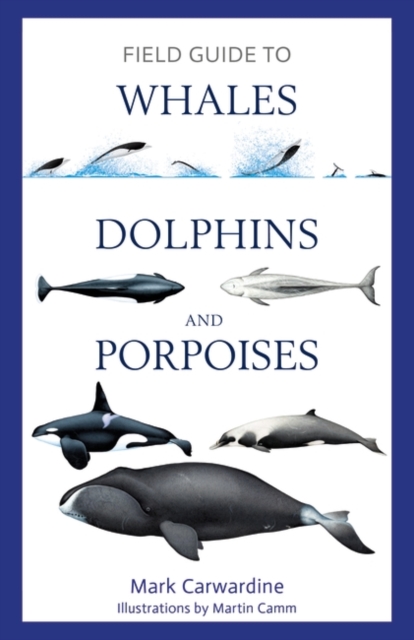
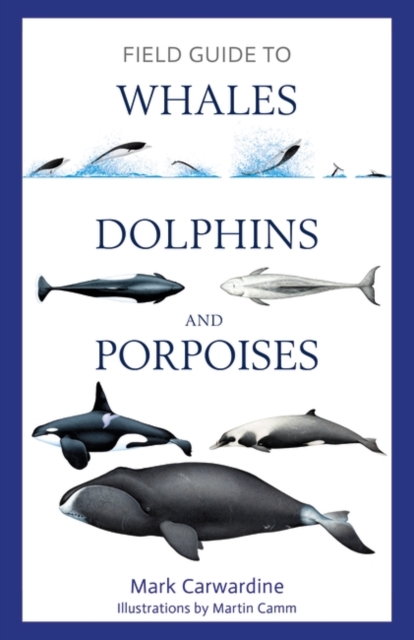
Practical and portable, this is the ultimate field guide to the world's cetaceansThis outstanding field guide to whales, dolphins and porpoises is the most comprehensive, authoritative and up-to-date guide to these popular mammals.
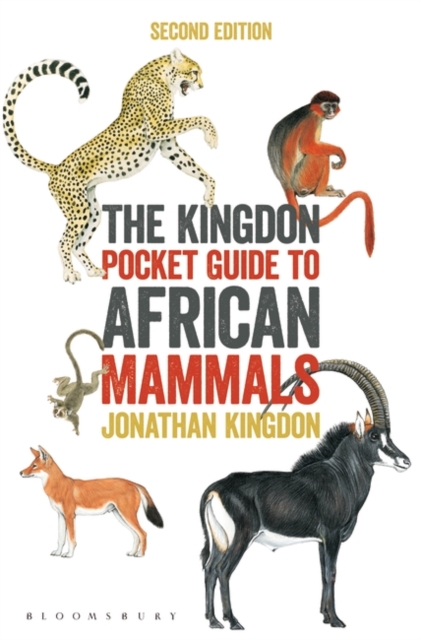
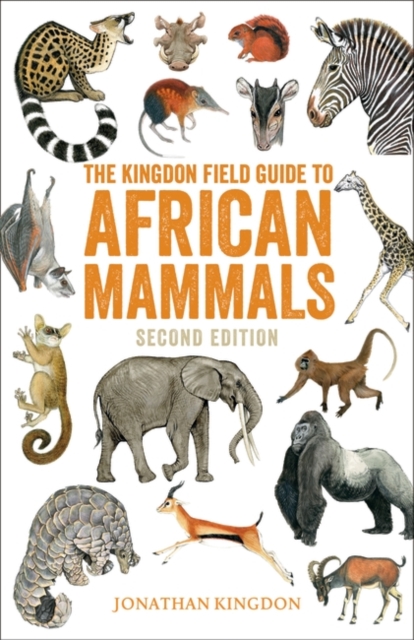
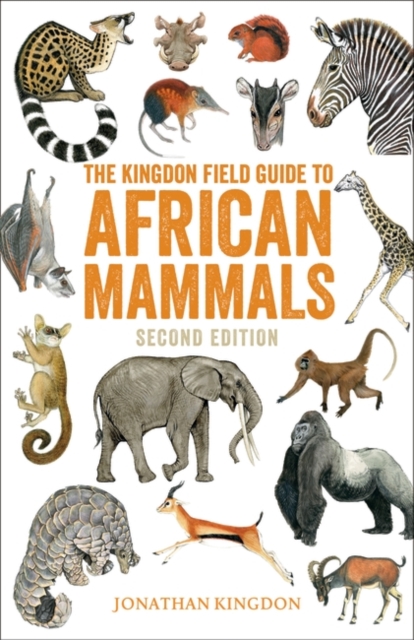
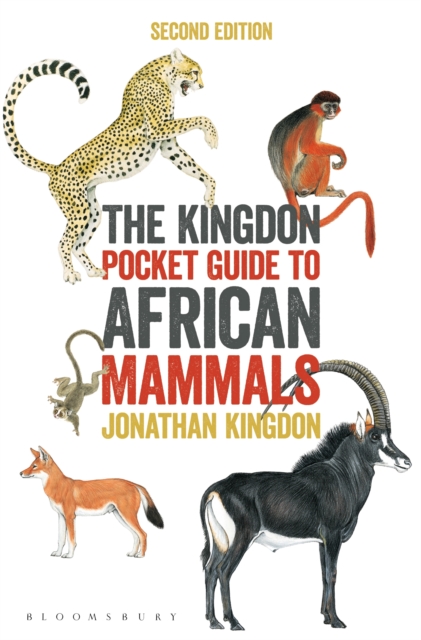
This is the definitive field guide to African Mammals, fully revised and updated following the publication of the groundbreaking Mammals of Africa (2013).
Practical and portable, this is the ultimate field guide to the world's cetaceansThis outstanding field guide to whales, dolphins and porpoises is the most comprehensive, authoritative and up-to-date guide to these popular mammals.
From the largest terrestrial carnivore, the Polar Bear, to the tiny Least Weasel that can squeeze through a wedding ring, the true carnivores include some of the world's most charismatic, admired, feared and spectacular creatures.
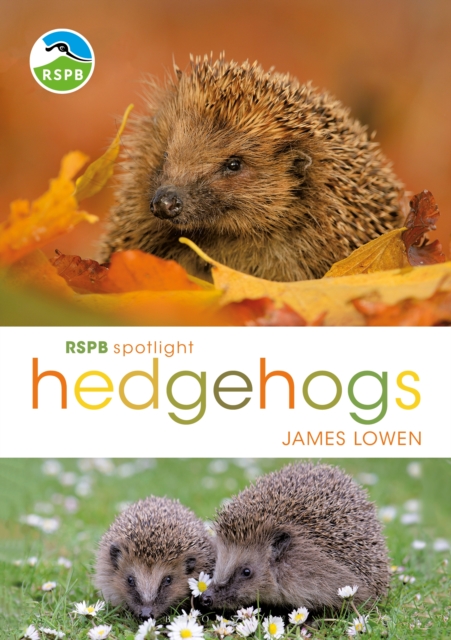
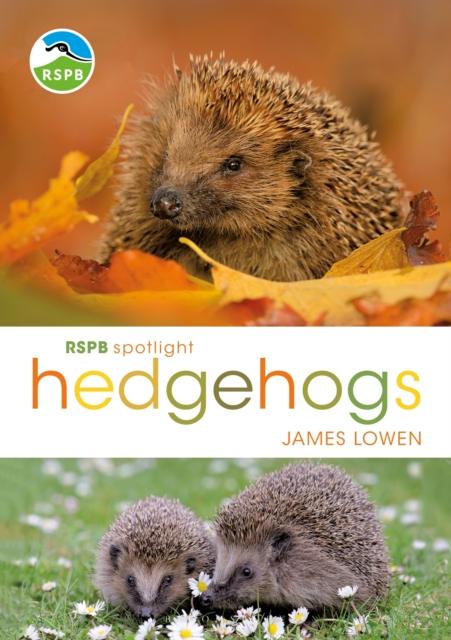
RSPB Spotlight: Hedgehogs is packed with eye-catching, informative colour photos, and features succinct and detailed text written by a knowledgeable naturalist.
RSPB Spotlight: Hedgehogs is packed with eye-catching, informative colour photos, and features succinct and detailed text written by a knowledgeable naturalist.
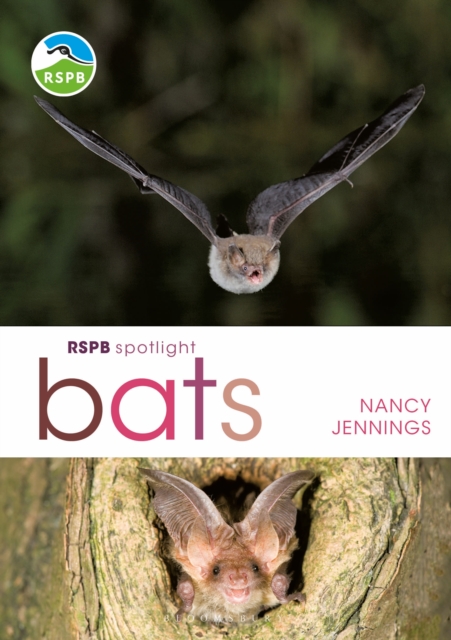
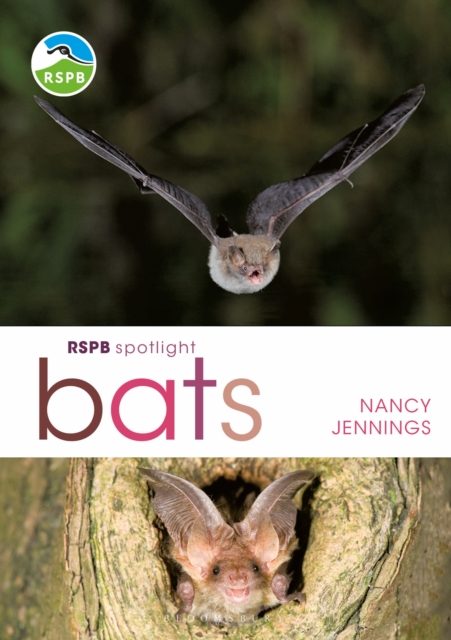
RSPB Spotlight: Bats is packed with eye-catching, informative colour photographs and features succinct, detailed text written by a knowledgeable naturalistThanks to their speed, size and nocturnal habitats, bats are among the most interesting, and least understood, mammals that frequent our homes and gardens.
RSPB Spotlight: Bats is packed with eye-catching, informative colour photographs and features succinct, detailed text written by a knowledgeable naturalistThanks to their speed, size and nocturnal habitats, bats are among the most interesting, and least understood, mammals that frequent our homes and gardens.
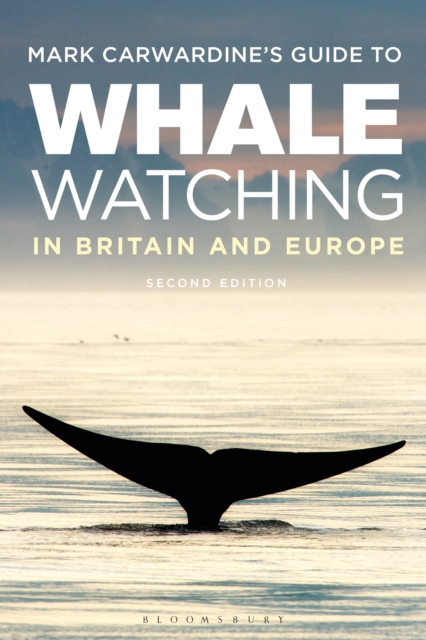
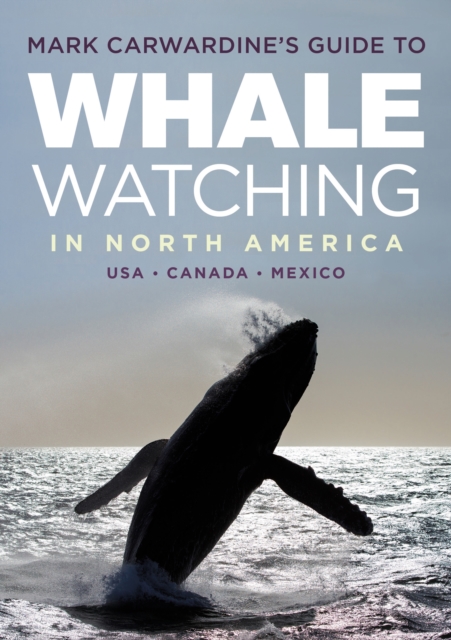
A new and fully updated edition of this popular title, which is the definitive guide to watching whales, dolphins and porpoises in British and other European waters.
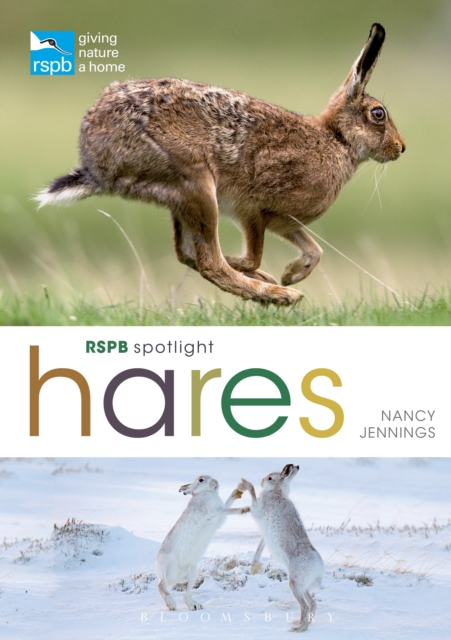
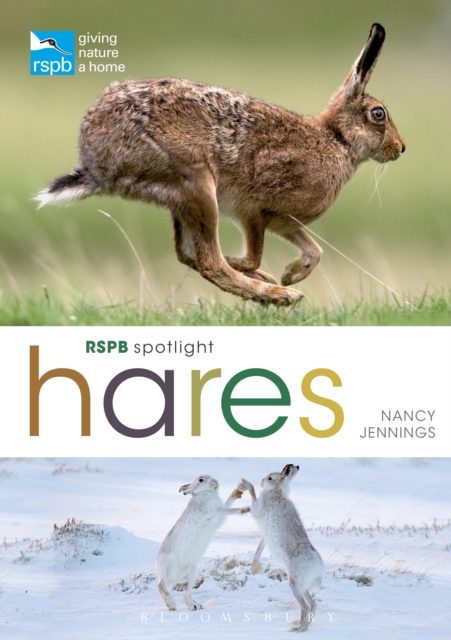
Spotlight: Hares is packed with eye-catching, informative colour photos, and features succinct and detailed text written by a knowledgeable naturalist.
Spotlight: Hares is packed with eye-catching, informative colour photos, and features succinct and detailed text written by a knowledgeable naturalist.
This is the definitive field guide to African Mammals, fully revised and updated following the publication of the groundbreaking Mammals of Africa (2013).
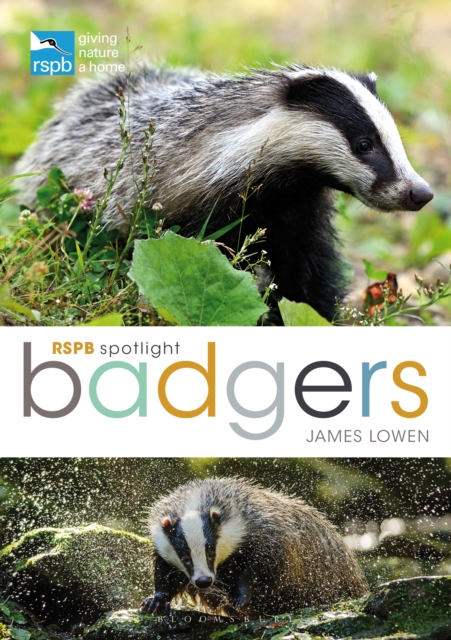
The Spotlight series introduces readers to the lives and behaviours of our favourite animals with eye-catching, colour photography and informative expert text.
The Spotlight series introduces readers to the lives and behaviours of our favourite animals with eye-catching, colour photography and informative expert text.
The new Spotlight series introduces readers to the lives and behaviours of our favourite animals with eye-catching, colour photography and informative expert text.
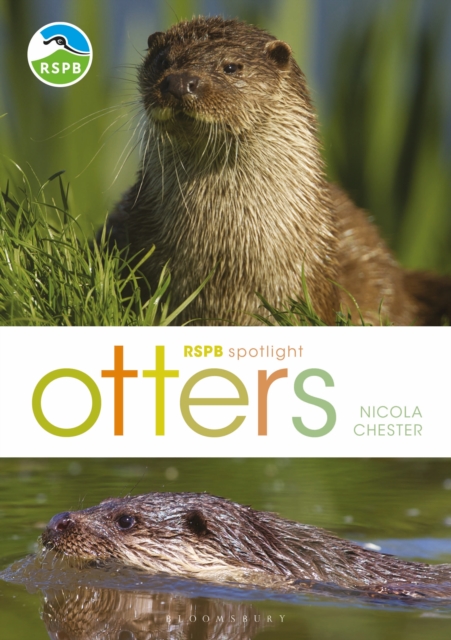
Otters by Nicola Chester is an accessible and lively account of an intriguing and much-loved animal that, surprisingly, is still endangered and rarely seen despite a recent resurgence that has seen it expand from the remote countryside into our cities.
A new and fully updated edition of this popular title, which is the definitive guide to watching whales, dolphins and porpoises in British and other European waters.
Immunological Methods a compendium of basic research techniques being used in one of the largest immunology research institutes, the Basel Institute for Immunology, with particular emphasis given to new methodology.
New York Times bestselling author Susan Donovan welcomes you to Bayberry Island, a special place where a bronze mermaid statue promises to grant true love to anyone who asks with an open heart.
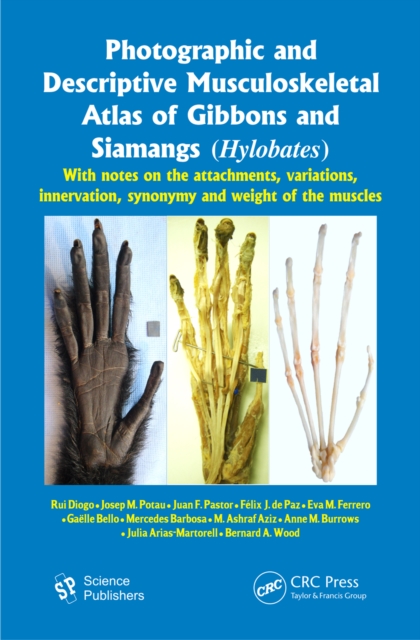
This book is the first photographic and descriptive musculoskeletal atlas of Hylobates, and adopts the same format as the photographic atlas of Gorilla published by the same authors in 2010.
First set down in Latin by the physician and naturalist John Caius in 1576, this is the earliest systematic account of the dogs of England, classifying them by kind and use.