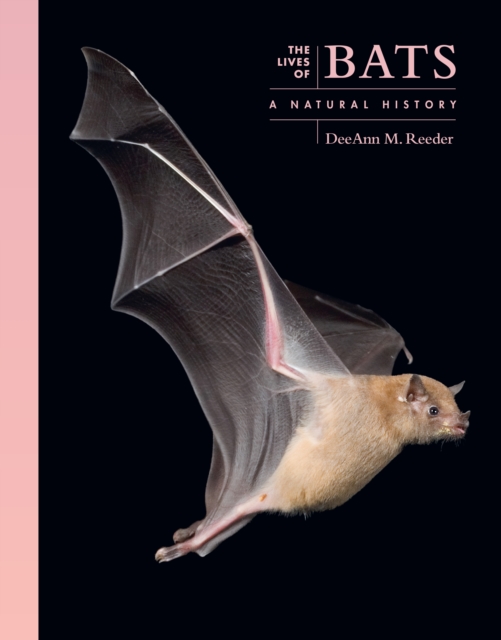
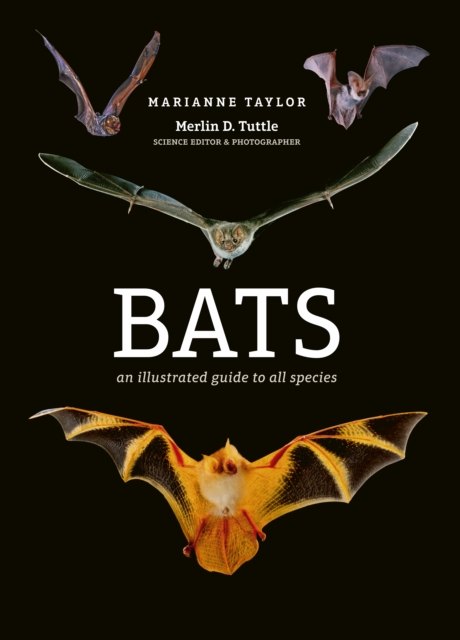
A wonderfully illustrated guide to the natural history of the world's batsBats are the second-largest order of mammals and inhabit almost every corner of the globe, but these secretive creatures are often maligned and misunderstood.
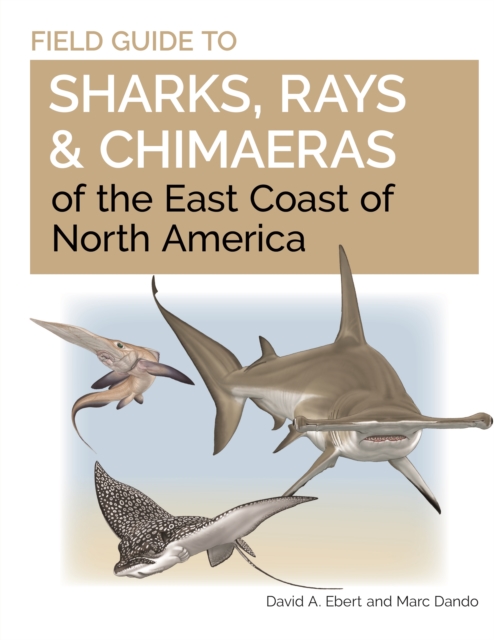
The definitive field guide to all the sharks, rays and chimaeras of eastern North AmericaThe waters off the East Coast of North America are home to an amazing variety of sharks, rays and chimaeras.
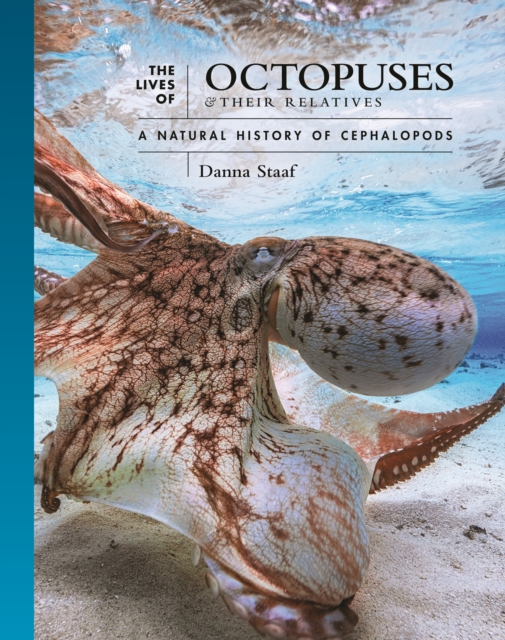
An engaging and beautifully illustrated introduction to some of the world's most interesting and charismatic marine creaturesDive deep into the fascinating world of cephalopodsoctopuses, squid, cuttlefish, and the mysterious nautilusto discover the astonishing diversity of this unique group of intelligent invertebrates and their many roles in the marine ecosystem.
A comprehensive, richly illustrated introduction to the behavior and qualities of the catOf all the domesticated species, cats have enjoyed the most complex relationship with people-one that still leads to arguments about whether you can truly call the cat asleep by your fire "e;tame.
In the tradition of The Inside of a Dog, top science writer and TV personality Jay Ingram shares new insights into the hearts, minds, and bodies of the animals who love us (or do they?
An updated, informative review of the status and biology of the fifty-five species of mammals living wild in Ohio, richly illustrated with photographs, maps, drawings, and original artwork.
An updated, informative review of the status and biology of the fifty-five species of mammals living wild in Ohio, richly illustrated with photographs, maps, drawings, and original artwork.
Launching a new series, Monographs in Behavior and Ecology, this work is an intensive study of five species of New World monkeys--all omnivores with a diet of fruit and small prey.
Robin Dunbar uses economic models to explore the social behavior of the gelada baboon (Theropithecus gelada), a unique species, whose social system is one of the most complex among the primates.
Taking an integrated approach to the biology of marine carnivores, cetaceans, and sirenians, twenty-two prominent researchers compare marine mammals with one another and with terrestrial mammals, providing a framework for fundamental biological and ecological concepts.
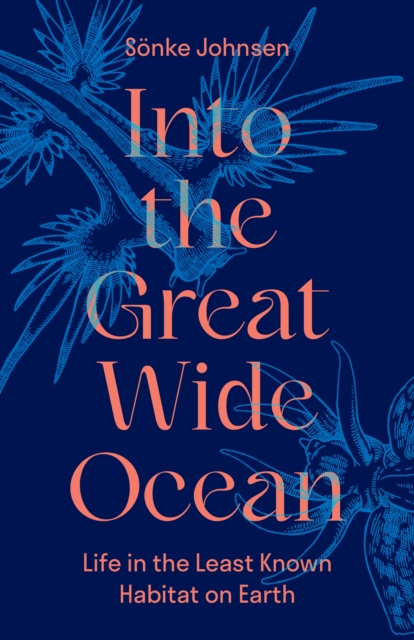
A seagoing scientist explores how life thrives in one of the most mysterious environments on EarthThe open ocean, far from the shore and miles above the seafloor, is a vast and formidable habitat that is home to the most abundant life on our planet, from giant squid and jellyfish to anglerfish with bioluminescent lures that draw prey into their toothy mouths.
In every domain of reasoning-from time and space, to mental states and physical illness-humans deploy an exceedingly diverse range of intuitive 'theories' about how the world works.
In every domain of reasoning-from time and space, to mental states and physical illness-humans deploy an exceedingly diverse range of intuitive 'theories' about how the world works.
A seagoing scientist explores how life thrives in one of the most mysterious environments on EarthThe open ocean, far from the shore and miles above the seafloor, is a vast and formidable habitat that is home to the most abundant life on our planet, from giant squid and jellyfish to anglerfish with bioluminescent lures that draw prey into their toothy mouths.
The badgers of Wytham Woods (Oxford, UK) have been studied continuously and intensively by David Macdonald for almost 50 years (25 of them with his former student and co-author Chris Newman), generating a wealth of data pertaining to every facet of their ecology and evolution.
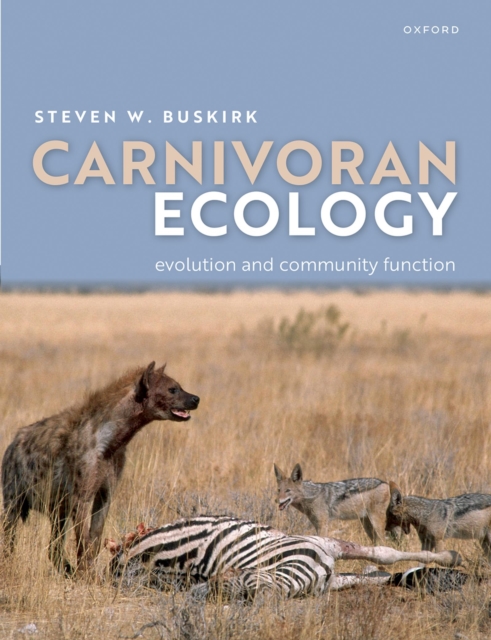
These charismatic mammals, which include dogs, cats, hyenas, weasels, mongooses, seals, sea lions and bears, have always held special importance to humans throughout history and continue to do so today.
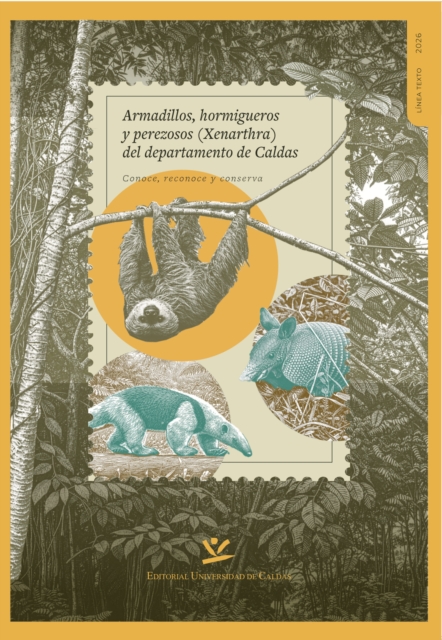
"Armadillos, hormigueros y perezosos (Xenarthra) del Departamento de Caldas: conoce, reconoce y conserva", es una invitación a descubrir la biodiversidad de un grupo evolutivo de mamíferos asombroso y a apoyar iniciativas de educación y conservación.
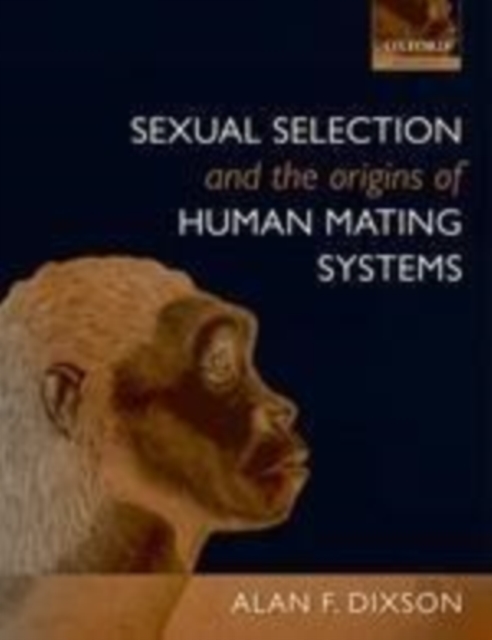
Comparative analyses of the anatomy, reproductive physiology, and behaviour of extant primates and other mammals can offer important insights into the origins of human sexual behaviour, allowing us to reconstruct the origins of human mating systems, the evolution of sexual attractiveness, patterns of mate choice, and copulatory behaviour.
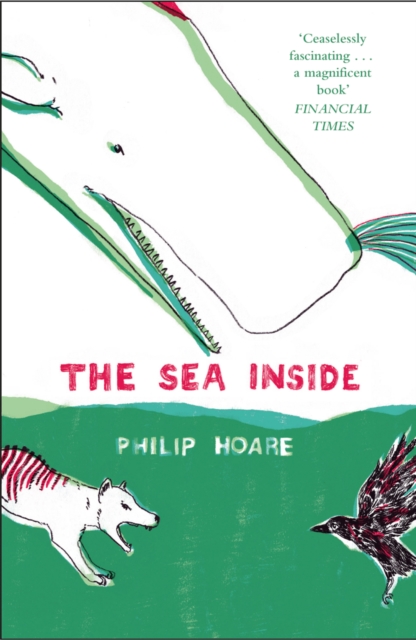
A startling new book, his most personal to date, from Philip Hoare, co-curator of 'Moby Dick: Big Read and winner of the 2009 Samuel Johnson Prize for 'Leviathan'.
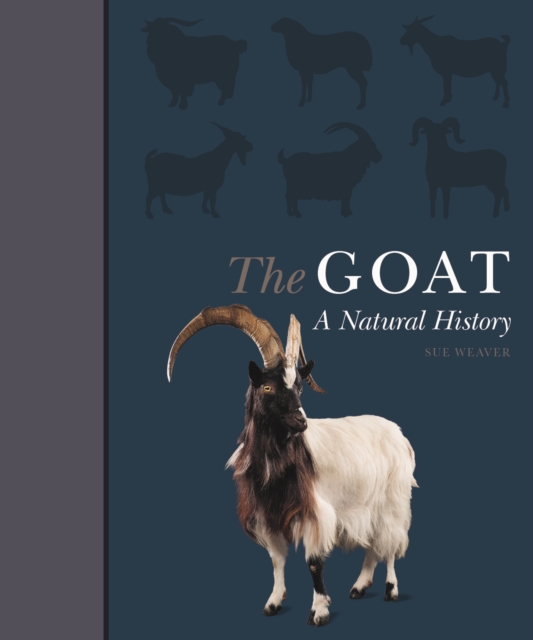
The Goat: A Natural History offers a complete overview of this captivating creature, from the goatish Greek god Pan, to their cognitive capacity and typical milk yields.
Meshing deft scientific text with Tuttle's sumptuous images, it's a superb introduction to the baroque morphologies and flying prowess of these beguiling beasts.
'Full of wonder and forensic intelligence' Isabella Tree, author of WildingA moving account of Madagascar told by a researcher who has spent over fifty years investigating the mysteries of this remarkable island.
Bioanthropology: The Basics offers an engaging and accessible introduction to the science of biological anthropology, exploring human origins, evolution, and the biological dimensions of what it means to be human.
Bioanthropology: The Basics offers an engaging and accessible introduction to the science of biological anthropology, exploring human origins, evolution, and the biological dimensions of what it means to be human.
Bellamente ilustrada, documentada con fotografias de situaciones reales obtenidas en el campo, y con detallada informacion de historia natural, distribucion geografica y descripciones de huellas, excrementos y otros rastros de 60 especies de mamiferos colombianos, esta guia pretende resaltar la importancia del rastreo para detectar la presencia de los mamiferos en Colombia como apreciacion no invasiva de la biodiversidad.
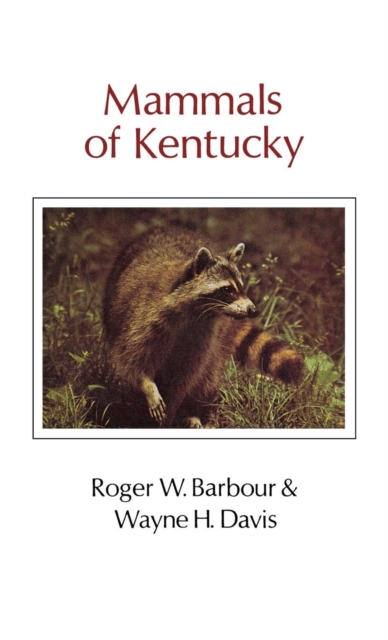
Because of its central situation in the Eastern United States and the variety of habitats to be found within its borders, Kentucky has an interesting mixture of mammals, including some characteristic of the Deep South, the West, and the North.
This new, second edition of Primate Ethnographies: Fieldwork from Across the Globe is a collection of first-person accounts of immersive field studies of primates, people, and institutions, revealing the excitement of studying wild primates and the multi-faceted challenges involved in conducting field research.