The Primate Origins of Human Nature (Volume 3 in The Foundations of Human Biology series) blends several elements from evolutionary biology as applied to primate behavioral ecology and primate psychology, classical physical anthropology and evolutionary psychology of humans.
The book aims to integrate our understanding of mammalian societies into a novel synthesis that is relevant to behavioural ecologists, ecologists, and anthropologists.
Fully integrative approach to the socibiology of caviomorph rodents Brings together research on social systems with that on epigenetic, neurendocrine and developmental mechanisms of social behavior Describes the social systems of many previously understudied caviomorph species, identifying the fitness costs and benefits of social living in current day populations as well as quantified evolutionary patterns or trends Highlights potential parallels and differences with other animal models
Mammalian Toxicology surveys chemical agents and examines how such chemicals impact on human health, emphasizing the importance in minimizing environmental exposure to chemical and physical hazards in our homes, communities and workplaces through such media as contaminated water, soil and air.
Provides a comprehensive overview of one of nature's most engaging mammals Covers fossil history, taxonomy, genetics, physiology, biomechanics, behavior, ecology, and conservation Includes genetic analysis of five of the six subspecies of modern giraffes Includes giraffe network studies from Laikipia Kenya, Etosha National Park, Namibia andSamburu National Reserve, Kenya
Antelopes constitute a fundamental part of ecosystems throughout Africa and Asia where they act as habitat architects, dispersers of seeds, and prey for large carnivores.
INFECTIOUS DISEASES OF WILD MAMMALS AND BIRDS IN EUROPE Infectious Diseases of Wild Mammals and Birds in Europe is a key resource on the diagnosis and treatment of infectious diseases in European wildlife that covers the distinctive nature of diseases as they occur in Europe, including strains, insect vectors, reservoir species, and climate, as well as geographical distribution of the diseases and European regulations for reporting, diagnosis and control.
The genetic information being unlocked by advances in genomic and high throughput technologies is rapidly revolutionizing our understanding of developmental processes in bovine species.
The heartbreaking and ultimately hopeful story of an abandoned polar bear cub named Nora and the humans working tirelessly to save her and her species, whose uncertain future in the accelerating climate crisis is closely tied to our own.
The current high demand for fish and increased awareness of the role of the environment in supporting human well being has led to a situation where attitudes to inland water resources are changing rapidly.
Ciba Foundation Symposium 123 Antidepressants and Receptor FunctionChairman: Dennis Murphy, 1986 Depression is a common and often debilitating affective disorder.
Cell Biology and Immunology of Leukocyte Function is a collection of papers presented at the 12th International Leukocyte Culture Conference, held in Beersheba, Israel on June 1978.
Modulation of Protein Function, Volume XIII, presents the proceedings of the ICN-UCLA Symposium on Molecular and Cellular Biology held in Keystone, Colorado, from February 25-March 2, 1979.
Large-Scale Mammalian Cell Culture is composed of papers presented as part of a symposium sponsored by the American Chemical Society Division of Microbial and Biochemical Technology at the 188th American Chemical Society National Meeting, held at Philadelphia, Pa.
Physiological Adaptations: Desert and Mountain discusses the bodily modifications of different animals accordingly to desert and mountain environments.
Cognitive Processes of Nonhuman Primates covers the proceedings of the Sixth Annual Symposium on Cognition, held at Carnegie-Mellon University on March 26 and 27, 1970.
Motilin focuses on the pharmacology and physiology of motilin, with emphasis on its relationship to interdigestive motor activities and species differences between these two parameters.
Sea Mammals and Oil: Confronting the Risks summarizes the effects of spilled petroleum, or "e;oil, on five groups of marine mammals, including seals, whales and dolphins, sea otters, polar bears, and manatees.
Biochemical Aspects of Prostaglandins and Thromboxanes covers the proceedings of the 1976 Intra-Science Research Foundation Symposium on New Biochemistry of Prostaglandins and Thromboxanes, held in Santa Monica, California.
Cerebral Lateralization in Nonhuman Species explores brain asymmetries in animals and the extent to which such asymmetries relate, in an evolutionary and clinical sense, to the pervasive asymmetries that characterize the human brain.
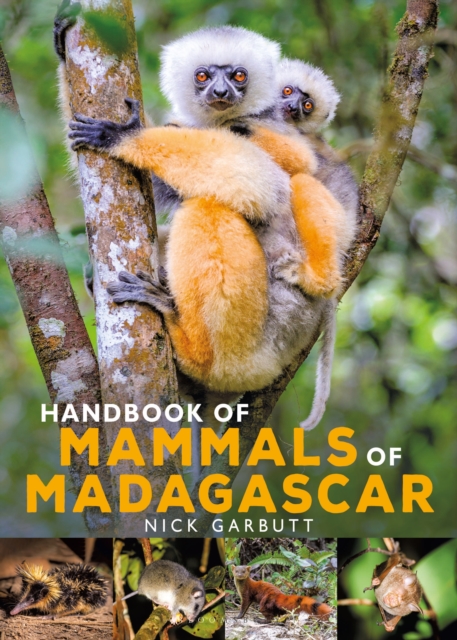
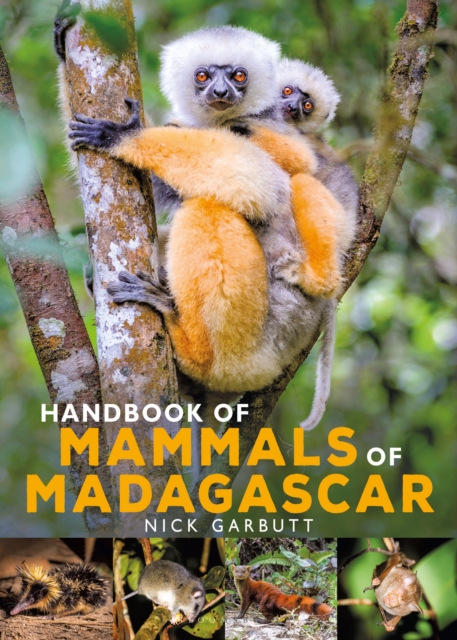
Nocturnal Malagasy Primates: Ecology, Physiology, and Behavior is composed of different studies investigating the "e;strategies adopted by lesser known nocturnal species of Marosalaza forest to cope with the contrasted seasonal conditions.