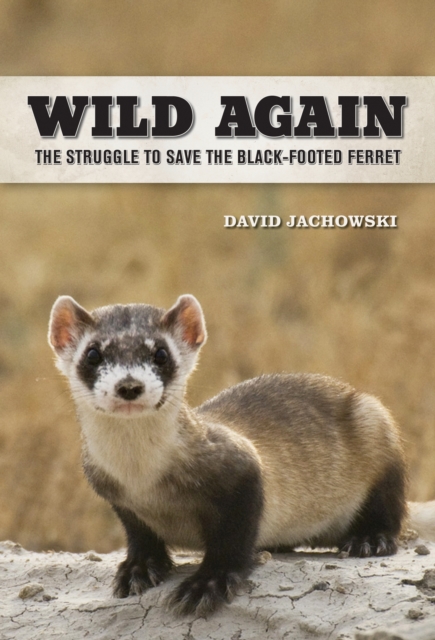
This engaging personal account of one of America's most contested wildlife conservation campaigns has as its central character the black-footed ferret.
China's stunning diversity of natural habitats--from parched deserts to lush tropical forests--is home to more than 10 percent of the world's mammal species.
Neurochemistry of the Retina covers the proceedings of the International Symposium on the Neurochemistry of the Retina held in Athens, Greece, on August 28 - September 1, 1979.
Oral Physiology and Occlusion: An International Symposium contains the proceeding of the "e;"e;Bite Centennial"e;"e; conceived as part of the 1976 Bicentennial Celebration of the College of Medicine and Dentistry of New Jersey.
Advances in the Biosciences, Volume 44: Receptors as Supramolecular Entities exemplifies the concept of transmitter and cotransmitter interactions using GABA receptor as a model.
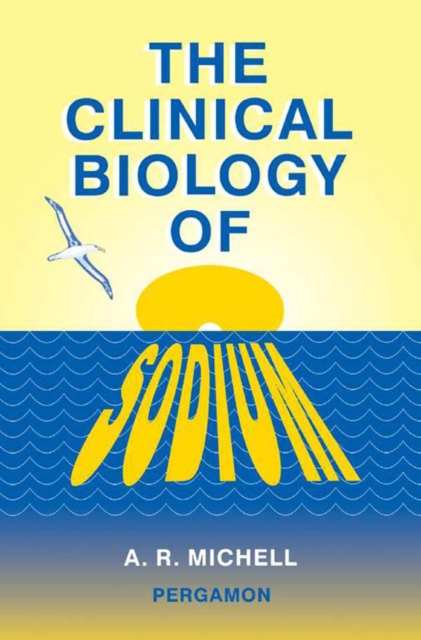
The Clinical Biology of Sodium: The Physiology and Pathophysiology of Sodium in Mammals presents a comparative view of mammalian sodium regulation and its clinical disturbances.
Biotechnology in Growth Regulation focuses on mechanisms of action of growth hormones and how immunological and transgenic procedures can affect growth response.
Hormonal Steroids contains the plenary and symposium lectures delivered to the Fifth International Congress on Hormonal Steroids held at New Delhi on October 30 to November 4, 1978.
Advances in Physiological Sciences, Volume 13: Endocrinology, Neuroendocrinology, Neuropeptides, Part I offers a lengthy discussion of the research, experiments, and investigations on endocrinology, neuroendocrinology, and neuropeptides.
Physiology: Past, Present and Future documents the proceedings of a symposium in honor of Yngve Zotterman held in the Department of Physiology, Medical School, University of Bristol on 11-12 July 1979.
Advances in the Biosciences, Volume 29: Melatonin - Current Status and Perspectives is a compilation of papers by different authors presented in the Proceedings of an International Symposium on Melatonin, held in Bremen, Federal Republic of Germany on September 28-30, 1980.
Advances in Cellular Neurobiology, Volume 2 discusses the central nervous system, focusing on the structure and function of the brain and spinal cord at cellular level and higher brain functions such as learning, memory, and intelligence.
Central Adrenaline Neurons: Basic Aspects and their Role in Cardiovascular Functions contains the proceedings of an international symposium held at The Wenner-Oren Center, Stockholm on August 27-28, 1979.
Central Actions of Angiotensin and Related Hormones investigates the centrally mediated actions of angiotensin and related hormones in the central nervous system (CNS).
Proceedings of the Fourth International Congress on Hormonal Steroids contains plenary speeches and symposia from the Fourth International Congress on Hormonal Steroids held in Mexico City in September 1974
Synaptic Constituents in Health and Disease is a collection of papers from the Proceedings of the Third Meeting of the European Society for Neurochemistry held in Yugoslavia, on August 31-September 5, 1980.
Advances in the Biosciences, Volume 82: Presynaptic Receptors and Neuronal Transporters documents the proceedings of the Official Satellite Symposium to the IUPHAR 1990 Congress held in Rouen, France on June 26-29, 1990.
Developmental Neuropsychobiology is a compendium of papers that deals with developmental neuroscience and developmental psychology, as well as the broad range of approaches toward brain-behavior development.
Molecules, Cells, and Parasites in Immunology contains the proceedings of a symposium on immunology held in Mexico City in the fall of 1979 under the auspices of the National University of Mexico (UNAM).
A fully updated edition of the bestselling guide to the mammals of IndiaCovering the rich diversity of mammal species in India, from tigers, elephants, rhinoceros and whales to primates, rodents and bats, Indian Mammals is field-ready, illustrated and comprehensive in approach.
A marvelously illustrated look at the most deadly predators on the planetTooth and Claw presents the world's top predators as you have never seen them before, from big cats and wild dogs to sharks, reptiles, and killer whales.
From eminent biologists like Alfred Russel Wallace and Charles Darwin to famous authors such as Rudyard Kipling in his Just So Stories, many people have asked, "e;Why do zebras have stripes?
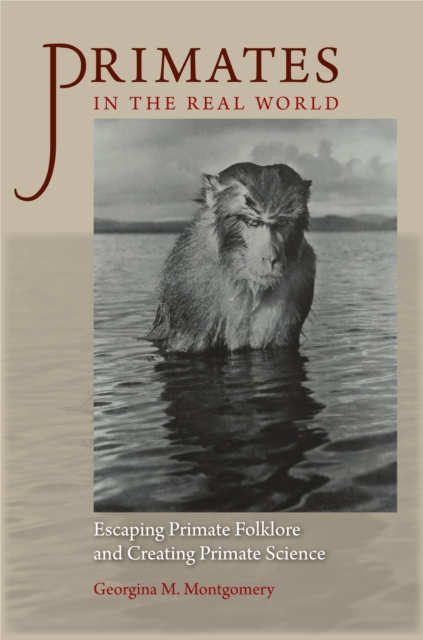
The first ethnographic exploration of the contentious debate over whether nonhuman primates are capable of cultureIn the 1950s, Japanese zoologists took note when a number of macaques invented and passed on new food-washing behaviors within their troop.