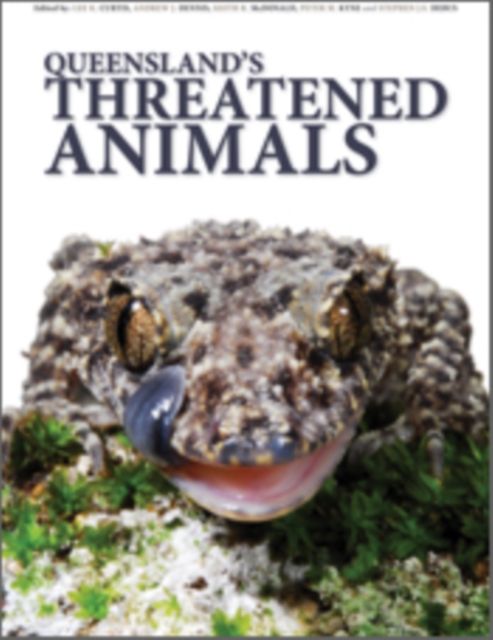
Queensland is home to 70% of Australia's native mammals (226 species), over 70% of native birds (630 species), just over half of the nation's native reptiles (485) and native frogs (127), and more than 11 000 native plant species.
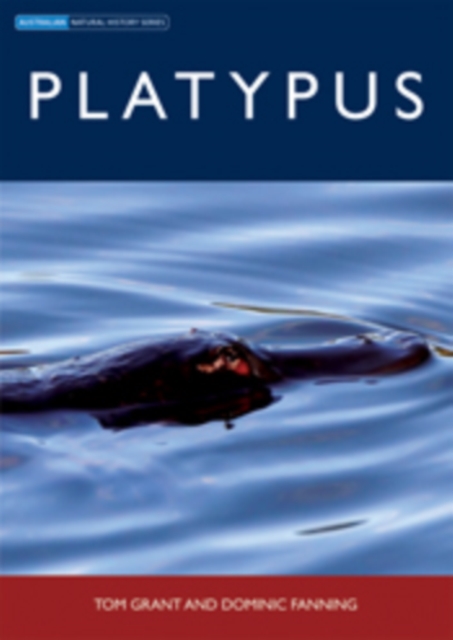
Since it first became known to European scientists and naturalists in 1798, the platypus has been the subject of controversy, interest and absolute wonder.
The bioregion of Australia, New Zealand, Antarctica and New Guinea possesses a unique natural heritage stretching back over 50 million years since the break-up of the great southern continent of Gondwanaland.
This book provides a clear and accessible account of kangaroos, showing how their reproductive patterns, social structure and other aspects of their biology make them well adapted to Australia's harsh climate and demanding environment.
This book provides a clear and accessible account of kangaroos, showing how their reproductive patterns, social structure and other aspects of their biology make them well adapted to Australia’s harsh climate and demanding environment.
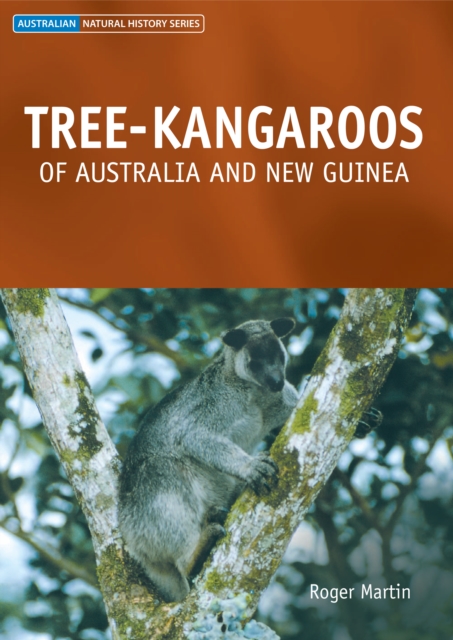
This book covers the proceedings of a major 2006 symposium on macropods that brought together the many recent advances in the biology of this diverse group of marsupials, including research on some of the much neglected macropods such asthe antilopine wallaroo, the swamp wallaby and tree-kangaroos.
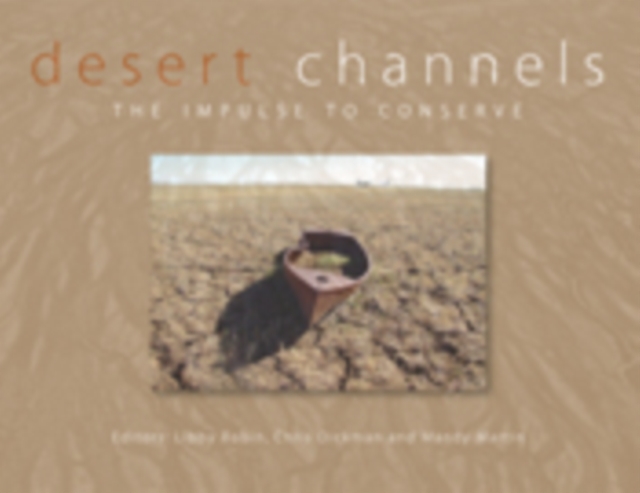
Desert Channels is a book that combines art, science and history to explore the 'impulse to conserve' in the distinctive Desert Channels country of south-western Queensland.
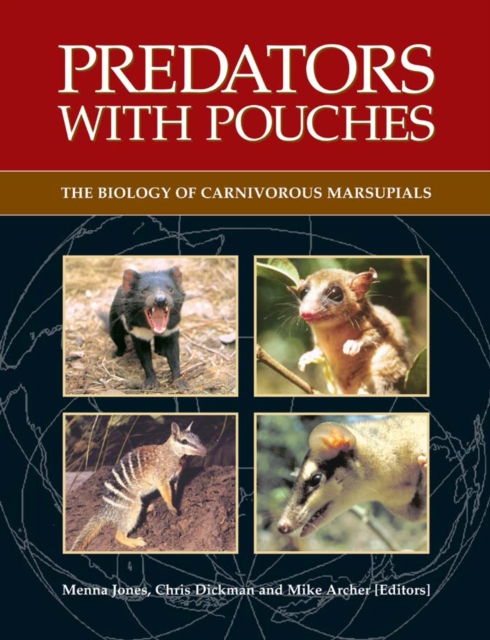
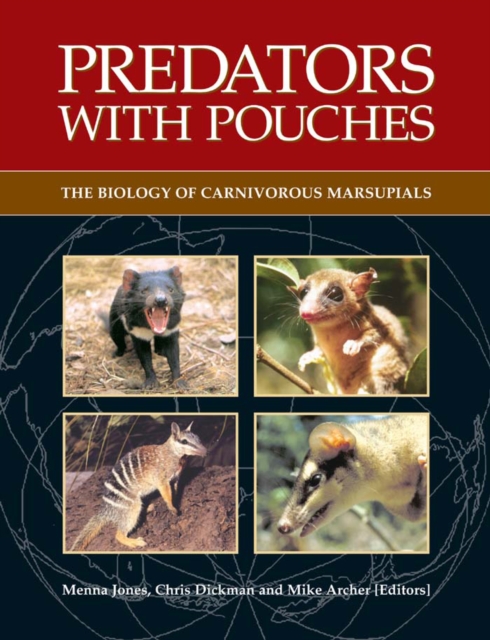
Predators with Pouches provides a unique synthesis of current knowledge of the world’s carnivorous marsupials—from Patagonia to New Guinea and North America to Tasmania.
Since it first became known to European scientists and naturalists in 1798, the platypus has been the subject of controversy, interest and absolute wonder.
Predators with Pouches provides a unique synthesis of current knowledge of the world's carnivorous marsupials-from Patagonia to New Guinea and North America to Tasmania.
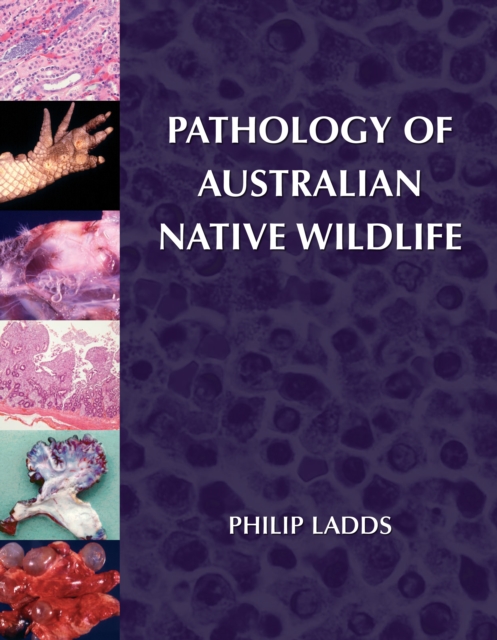
Pathology of Australian Native Wildlife brings together in one volume available information on the pathology of Australian native vertebrate wildlife, excluding fish.
In Medicine of Australian Mammals, more than 30 experts present the most current information available on the medical management of all taxa of Australian native mammals.
Marine Mammals: Fisheries, Tourism and Management Issues brings together contributions from 68 leading scientists from 12 countries to provide a comprehensive, up-to-date review on the way we manage our interactions with whales, dolphins, seals and dugongs.
Over the past half a century research has revealed that marsupials - far from being 'second class' mammals - have adaptations for particular ways of life quite equal to their placental counterparts.
Haematology of Australian Mammals is a valuable guide to collecting and analysing the blood of Australian mammals for haematological studies and diagnosis and monitoring of disease.
This book covers the proceedings of a major 2006 symposium on macropods that brought together the many recent advances in the biology of this diverse group of marsupials, including research on some of the much neglected macropods such asthe antilopine wallaroo, the swamp wallaby and tree-kangaroos.
Over the past half a century research has revealed that marsupials – far from being ‘second class’ mammals – have adaptations for particular ways of life quite equal to their placental counterparts.