Extracellular Matrix contains the proceedings of the symposium "e;"e;The Extracellular Matrix,"e;"e; sponsored by the Michigan Molecular Institute and held in Midland, Michigan, on June 28-July 2, 1982.
The Rhesus Monkey, Volume I: Anatomy and Physiology discusses the anatomic and physiological measurement, microscopic anatomy, learning, skills, general behavior, and vocalization of rhesus monkey.
Biological Basis of Detoxication focuses on the biological processes involved in detoxication, with emphasis on the biochemistry of the removal of xenobiotics from an organism.
The Biosynthesis of Mycotoxins: A Study in Secondary Metabolism focuses on the biosynthetic analysis of mycotoxins, which are inherently a heterogeneous group of metabolites that are formed along the terpene route and the route polyketide, as well as from amino acids.
Neurotransmitters and Anterior Pituitary Function discusses research findings on neurotransmitter-neurohormone interactions in the control of the anterior pituitary.
Pineal and Retinal Relationships presents the proceedings of the Symposium on Pineal and Retinal Relationships, held in Sarasota, Florida on May 3-5, 1985.
The Physiology of Growth focuses on the physiological mechanisms underlying the growth of organs and tissues such as the epidermis, connective tissues, bone and cartilage, blood cells, and the heart.
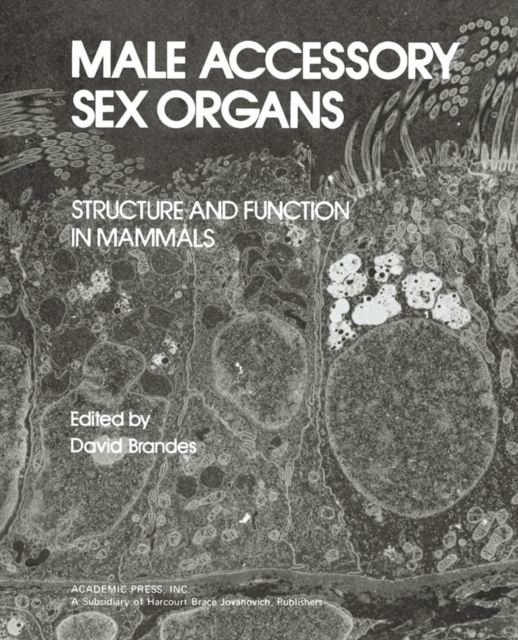
Male Accessory Sex Organs: Structure and Function in Mammals investigates the salient features of subcellular structure and function of some sex hormone-dependent organs as well as the molecular hormonal mechanisms that regulate them.
Immune Surveillance deals with the issues regarding tumor immunology and surveillance, in which the central theme is all about the life span of the mammalian host that is depleted by the environment with mutagenic agents and solutions.
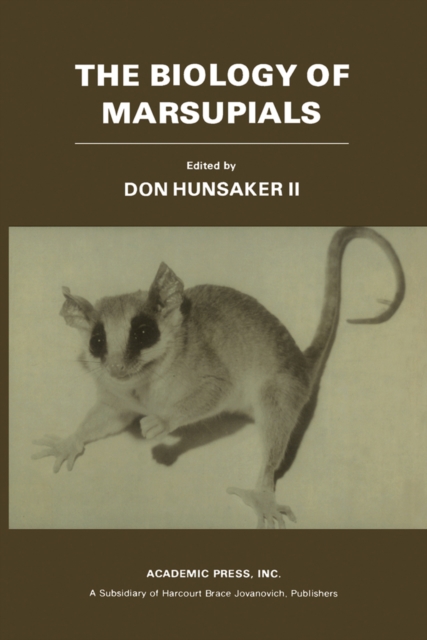
The Biology of Marsupials is a compilation and analysis of the research conducted on New World marsupials that covers both Australian and didelphid marsupials.
Nerve, Organ, and Tissue Regeneration: Research Perspectives presents the proceedings of a symposium held in Harpers Ferry, West Virginia, on September 21-24, 1982.
Developmental NeuroPsychobiology reviews a variety of topics related to developmental neuropsychobiology, a discipline that encompasses developmental neuroscience and developmental psychobiology.
Cells of Immunoglobulin Synthesis documents the proceedings of a symposium on "e;"e;Cells of Immunoglobulin Synthesis"e;"e; held at Arden House, on the Harriman Campus of Columbia University from June 9-11, 1978.
The Glycoconjugates: Mammalian Glycoproteins, Glycolipids, and Proteoglycans Volume II is a collaboration of different experts in the field of molecular biology on the subject of glycoconjugates.
The Glycoconjugates: Mammalian Glycoproteins and Glycolipids, Volume I is a collaboration of different experts in the field of molecular biology on the subject of glycoconjugates.
Cell Biology of the Eye discusses the eye tissues and its role in the investigations on active transport, growth factors, receptors, and differentiation.
Methods in Mammalian Reproduction presents some of the techniques for manipulating, analyzing, observing, testing, and generally experimenting with mammalian mothers and their gametes and embryos.
Plasma Protein Metabolism: Regulation of Synthesis, Distribution, and Degradation covers the concepts concerning the physiological and pathophysiological factors regulating the distribution, degradation, and synthesis of plasma proteins.
The Testis: Advances in Physiology, Biochemistry, and Function, Volume IV, provides an overview of the state of knowledge in the physiology, biochemistry, and function of the testis.
Clinical Neuroendocrinology covers the clinical significance of the advances made in the understanding of relationships between the actions of neurotransmitters and the hypothalamic control of pituitary secretions.
Phagocytosis-Past and Future is a collection of contributions by investigators who met in the Province of Messina, Sicily, in October 1980 to discuss the functions of phagocytic leukocytes in the host-parasite relationship.
Mammalian Protein Metabolism, Volume IV is an 11-chapter text that describes the regulation of protein metabolism in mammals, both at the subcellular level and at the level of the intact organ and of the whole animal.
Changing Concepts of the Nervous System, presents the proceedings of the First Institute of Neurological Sciences Symposium in Neurobiology, held at the University of Pennsylvania in October 1980.
Extracellular Matrix Influences on Gene Expression emerged from the Second international Santa Catalina Island Colloquium that deals with the discussion on the advances in the molecular biology of extracellular matrices and the epigenetic influences on cell function.
Immune Recognition is a modified compilation of an experimental leukocyte culture conference about various aspects of macrophage and lymphocyte biology in relation to the eponymous central theme.
Isozymes, I: Molecular Structure contains manuscripts presented at the Third International Conference on isozymes convened in April 1974 at Yale University.
Cell Biology and Immunology of Leukocyte Function is a collection of papers presented at the 12th International Leukocyte Culture Conference, held in Beersheba, Israel on June 1978.
Isozymes, III: Developmental Biology contains manuscripts presented at the Third International Conference on isozymes convened in April 1974 at Yale University.
Strategies in Cold: Natural Torpidity and Thermogenesis is a collection of review papers presented at the Fifth International Symposium on Mammalian Hibernation, held at Jasper Park Lodge, Alberta, Canada on October 3-8, 1977.
Biology of Memory investigates the biological basis of memory and covers topics ranging from short- and long-term post-perceptual memory to memory storage processes, memory microstructures, chemical transfer, and neuronal plasticity.
Circulatory System Dynamics reviews cardiovascular dynamics from the analytical viewpoint and indicates ways in which the accumulated knowledge can be expanded and applied to further enhance understanding of the normal mammalian circulation, to ascertain the nature of difficulties associated with disease, and to test the effect of treatment.