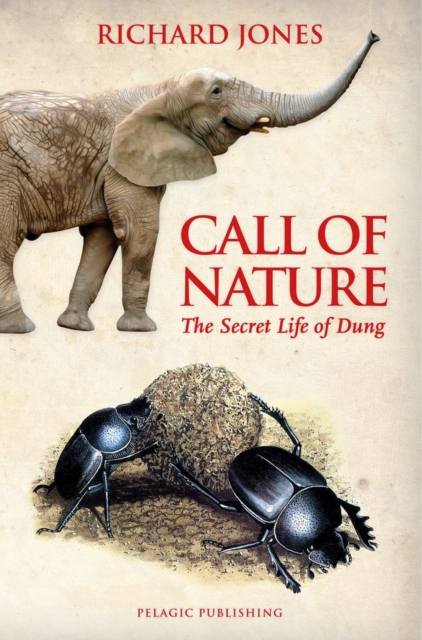
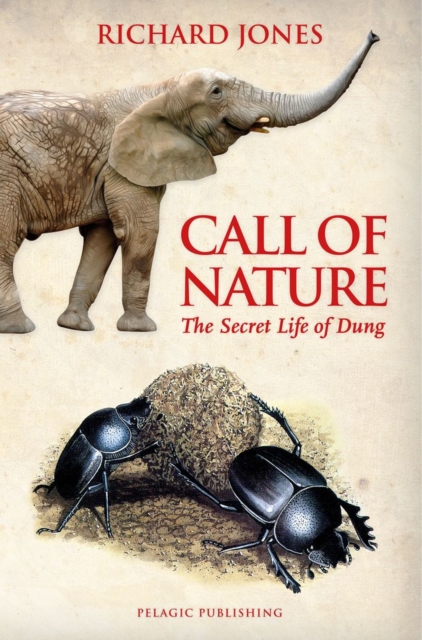
'a true gem' -London Naturalist'I love this book' Nick BakerThe author completes the book with an identification guide to dung itself, so that you can identify the animal that left it behind.
'a true gem' -London Naturalist'I love this book' Nick BakerThe author completes the book with an identification guide to dung itself, so that you can identify the animal that left it behind.
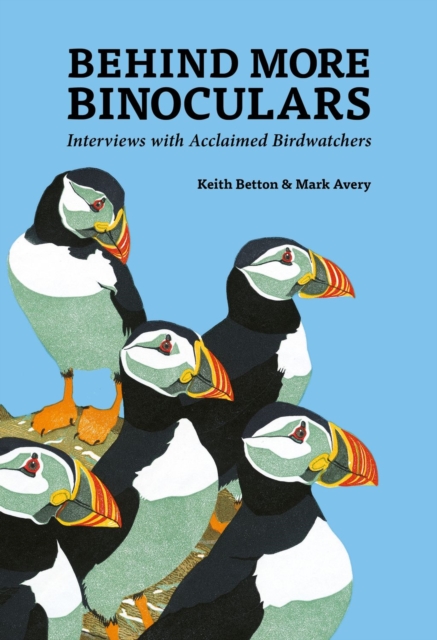
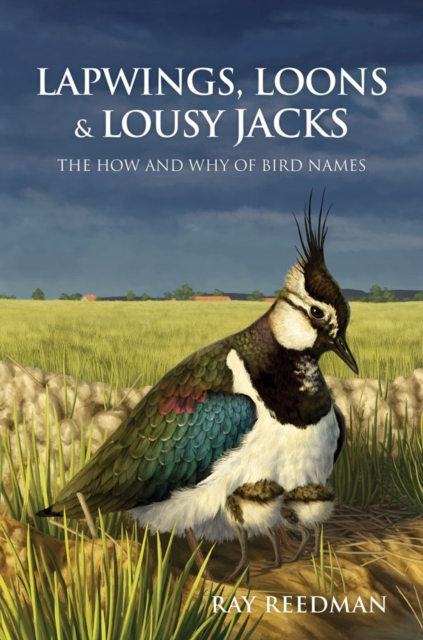
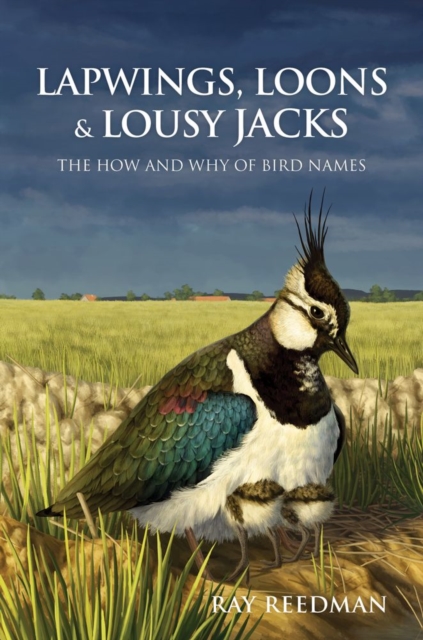
The Lapwing once had many regional names; the Loon has a British-American identity crisis and the respectable-sounding Apostlebird is often called a Lousy Jack.
The Lapwing once had many regional names; the Loon has a British-American identity crisis and the respectable-sounding Apostlebird is often called a Lousy Jack.
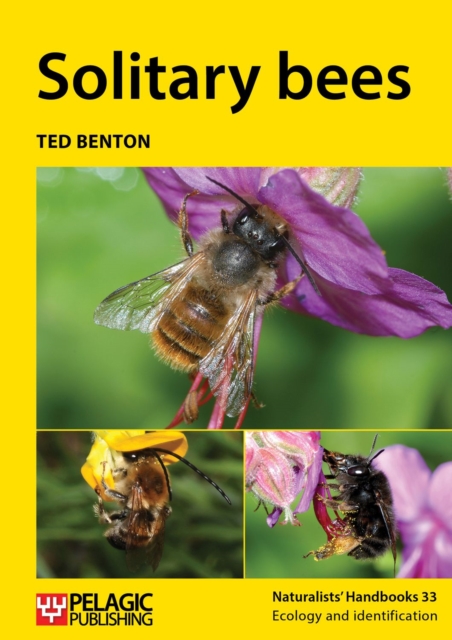
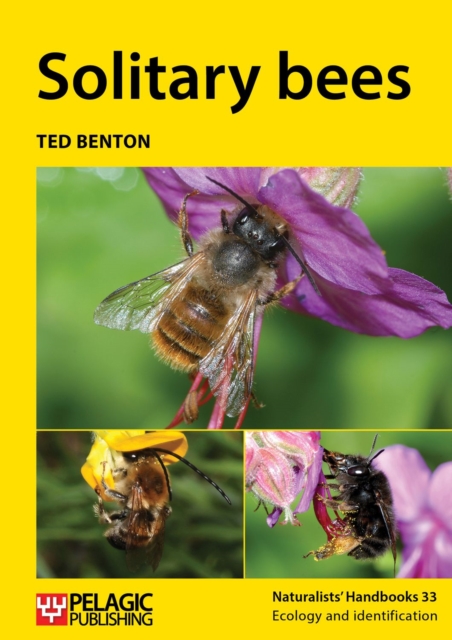
In Britain and Ireland there are about ten times more species of solitary bee than bumblebee and honeybee combined, yet the solitary bees tend to be ignored and we know much less about them.
In Britain and Ireland there are about ten times more species of solitary bee than bumblebee and honeybee combined, yet the solitary bees tend to be ignored and we know much less about them.
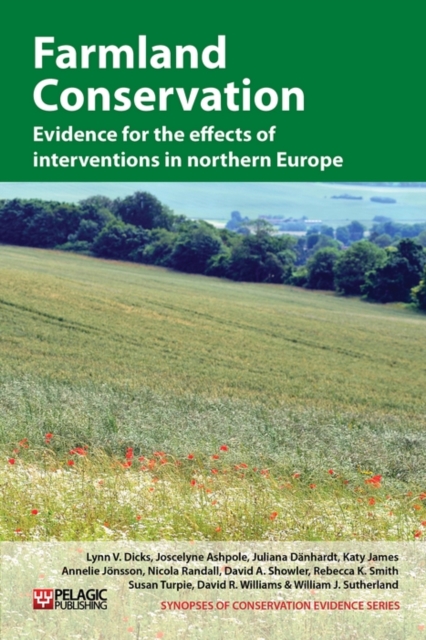
"e;Evidence bases for conservation are becoming increasingly important to convince landowners and politicians of the need to take action in defence of species and habitats all around the world.
"e;Evidence bases for conservation are becoming increasingly important to convince landowners and politicians of the need to take action in defence of species and habitats all around the world.
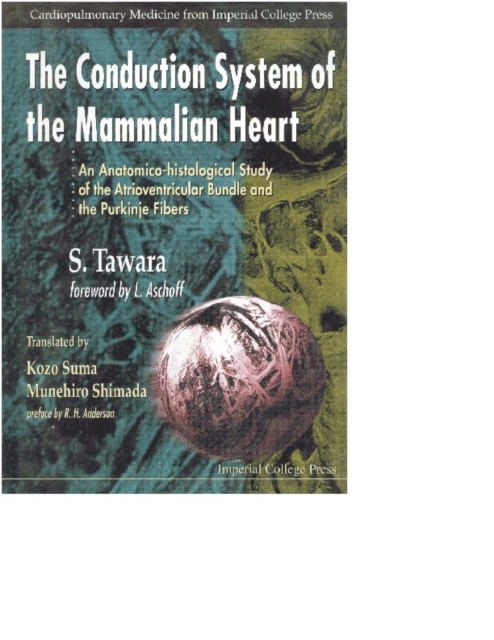
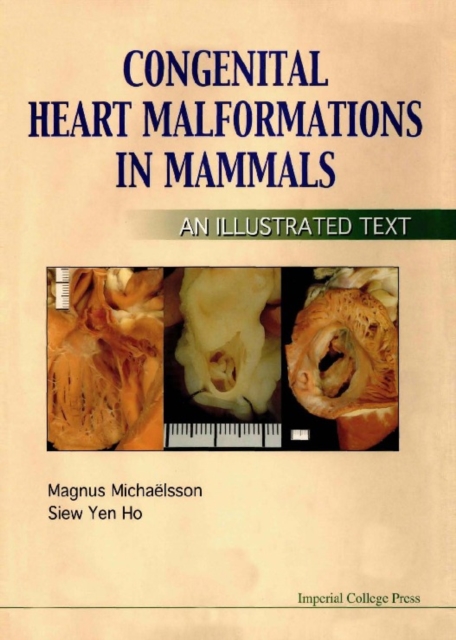
Sunao Tawara's epoch-making work on the excitation conduction system of the mammalian heart paved the way for the advancement of modern cardiology in the 20th century.
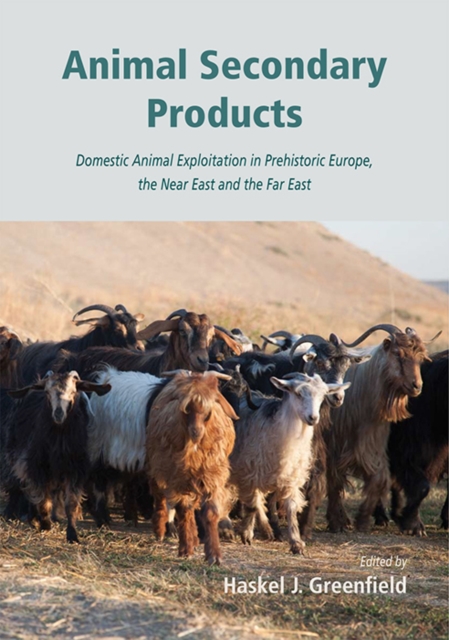
Animal Secondary Products investigates domestic animal exploitation and the animal economy from the Palaeolithic to the Bronze and Iron Ages across Eurasia (Europe, Near East, Siberia and China).
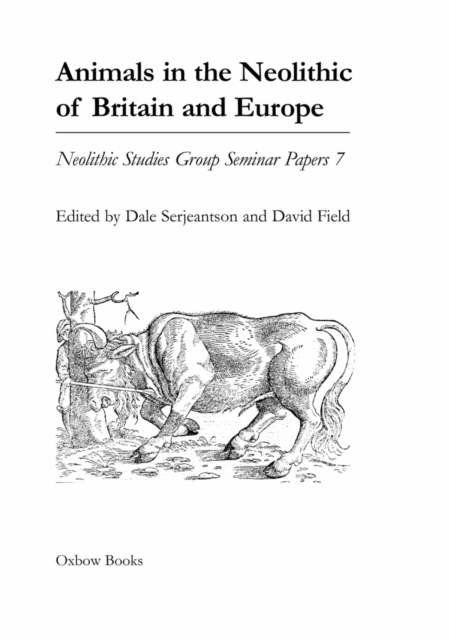
The twelve papers in this edited volume originated from the Neolithic Studies Group seminar held at the British Museum on 10th November 2003 on the subject of Animals in the Neolithic.
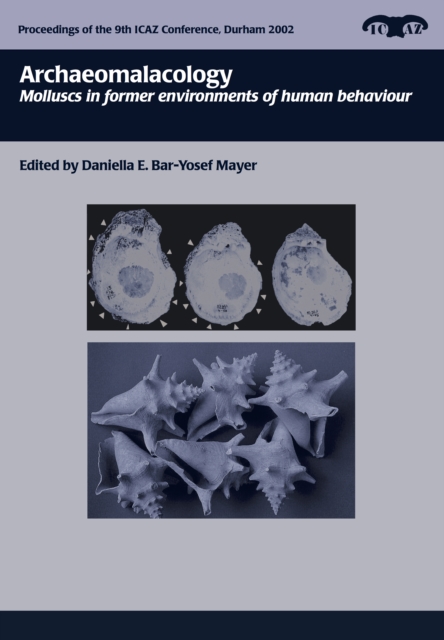
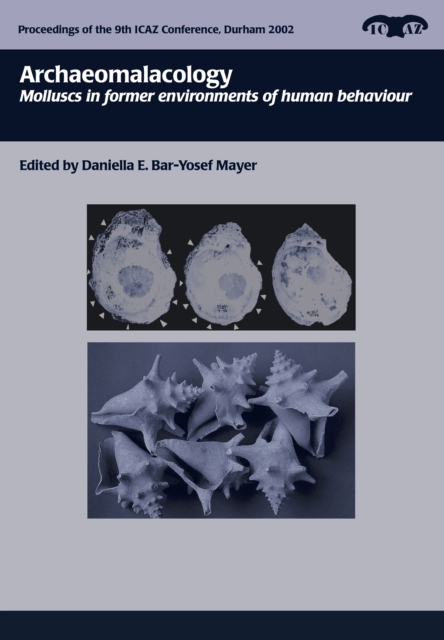
Molluscs are the most common invertebrate remains found at archaeological sites, but archaeomalacology (the study of molluscs in archaeological contexts) is a relatively new archaeological discipline and the field of zooarchaeology is seen by many as one mainly focused on the remains of vertebrates.
Molluscs are the most common invertebrate remains found at archaeological sites, but archaeomalacology (the study of molluscs in archaeological contexts) is a relatively new archaeological discipline and the field of zooarchaeology is seen by many as one mainly focused on the remains of vertebrates.
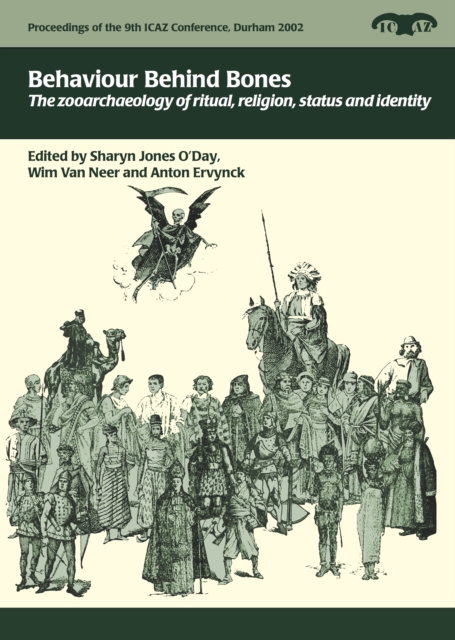
This book is the first in a series of volumes which form the published proceedings of the 9th meeting of the International Council of Archaeozoology (ICAZ), held in Durham in 2002.
This book is the first in a series of volumes which form the published proceedings of the 9th meeting of the International Council of Archaeozoology (ICAZ), held in Durham in 2002.
The analysis of animal bone assemblages from archaeological sites provides much valuable data concerning economic and husbandry practices in the past, as well as insights into cultural and symbolic or ritual activity.