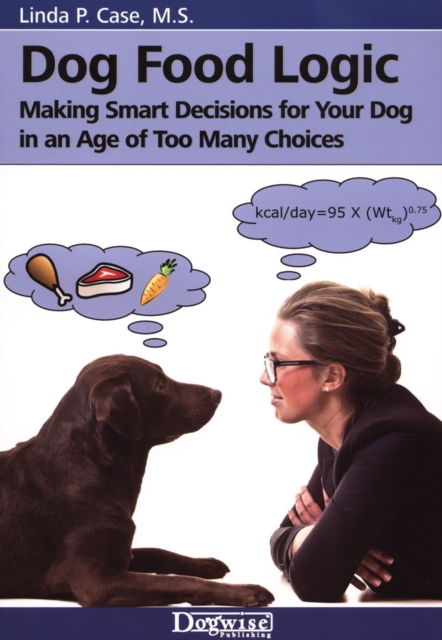
Winner of the DWAA Maxwell Award for 2014, Health and General Care Award Choosing the right dog food in a world with too many choicesWalking down the dog food aisle in a pet supply superstore can present you with an overwhelming number of choices.
The most thought provoking book ever written on dog behavior and trainingGenerations of dogs have been labeled training-lemons for requiring actual motivation when all along they were perfectly normal.
Playing with and exercising your dog (two separate but unrelated things) are the two most important components to having a happy, contented, well-behaved dog.
Winner of the DWAA Maxwell Award for 2013, Best Paperback BookEnter the show ring fully informedWith the exception of those who are already involved in the world of dog shows, few people know much about showing dogs and what it takes to develop a champion.
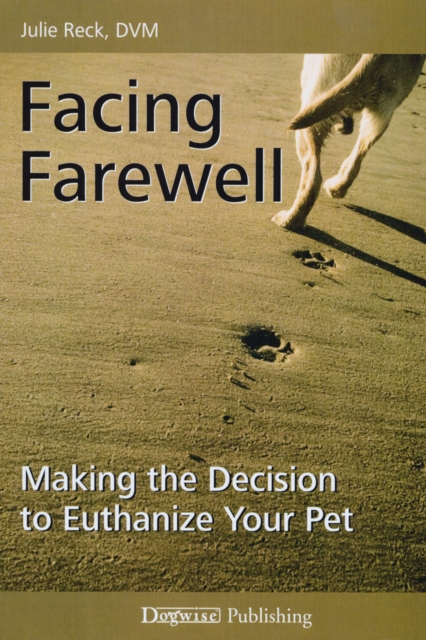
Be informed before you bid farewell to your petOne of the most difficult aspects of being a pet owner is making end of life decisions for beloved dogs and cats.
Help give your dog the key to the kingdom of scentYour dog truly rules when it comes to scenting ability, but you hold the key to allow him to learn how to more fully explore his kingdom.
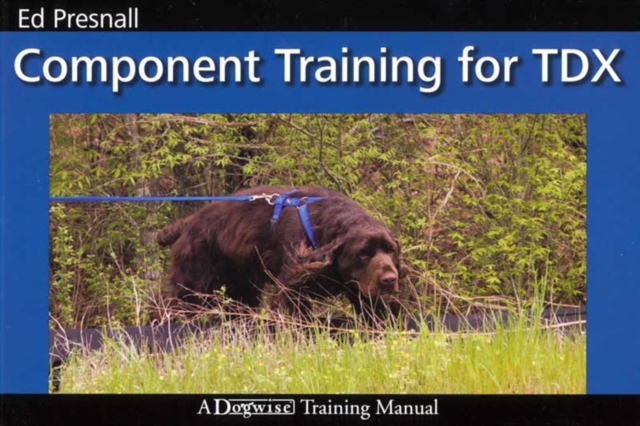
Excellence in Tracking through Component TrainingSuccessful competitive tracking requires the development of a large number of skills on the part of both the dog and the handler.
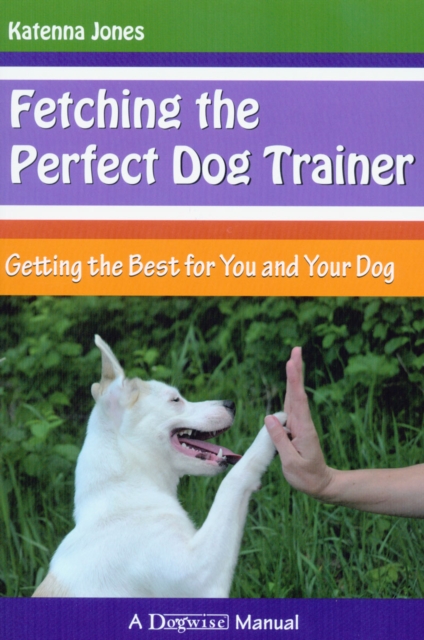
If you are looking for a step-by-step guide to help explain the use of positive reinforcement in training and living with your canine friend, then this is the book for you.
InSight to better understand and train your dogTrainers and animal behaviorists around the globe consider Pam Reid's Excel-erated Learning one of the most important and influential books ever written in the field of dog behavior.
Learn to love competing in obedienceMost books on competitive obedience focus on the training and ring skills you need to be a winner with your dog in the ring?