The genus Perca includes only three species of fish, but they are ubiquitous and abundant in freshwater and brackish environments of the northern hemisphere, from North America to Europe and Asia.
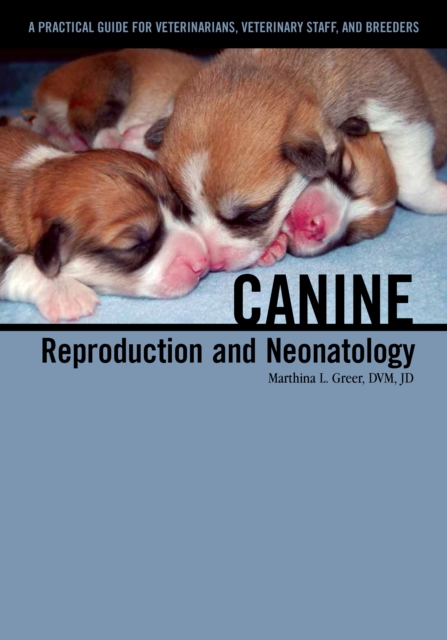
Winner of Dog Writers Association of America's Dogwise Best Book AwardCanine Reproduction is a practical guide for veterinarians and an information source for breeders, kennel operators and others with a financial or humane interest in the breeding and maintenance of dogs.
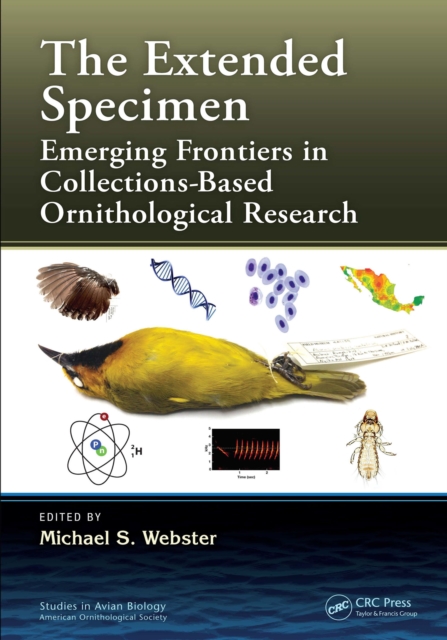
The Extended Specimen highlights the research potential for ornithological specimens, and is meant to encourage ornithologists poised to initiate a renaissance in collections-based ornithological research.
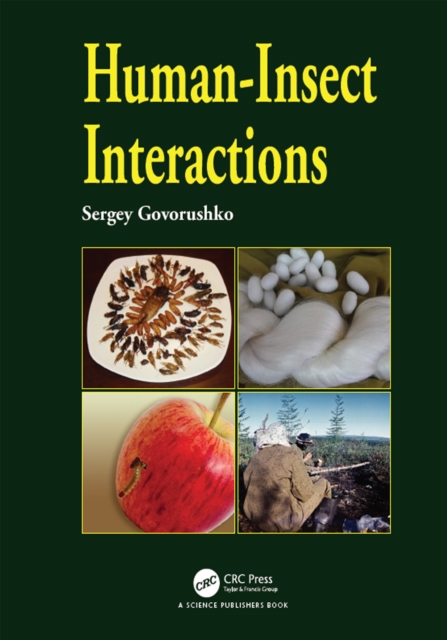
This book presents a 360-degree picture of the world of insects and explores how their existence affects our lives: the "e;good, bad, and ugly"e; aspects of their interactions with humankind.
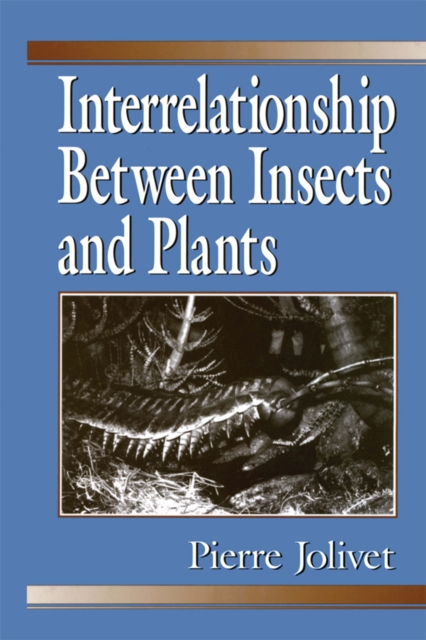
One of the world's most insightful writers on the subject brings together an array of important and readable information on the ways in which insects and plants coexist in nature.
Current Techniques in Small Animal Surgery, Fifth Edition provides current information regarding surgical techniques from the perspective of clinicians who are performing specific procedures on a regular basis.
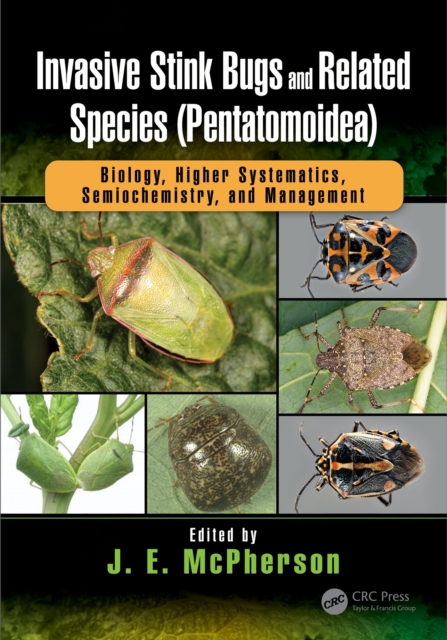
Key features:Presents a brief history of past classifications, a summary of present classification, and speculation on how the classification may evolve in the futureIncludes keys for the identification of families and subfamilies of the Pentatomoidea and for the tribes in the PentatomidaeExplains transmission of plant pathogens and concepts of pathology and heteropteran feeding for the non-specialist Provides an extensive literature review of transmission by stink bugs of viral, bacterial, fungal, and protozoan organisms that cause diseases of plantsDiscusses the diversity of microbial symbionts in the Pentatomidae and related species, showing how microorganisms underpin the evolution of this insect groupReviews semiochemicals (pheromones, kairomones, allomones) of the Pentatomoidea and their vital role in the life histories of pest and beneficial species and their exploitation by natural enemies of true bugs Covers past, current, and future control options for insects, with a focus on stink bugs and related heteropteransThe Superfamily Pentatomoidea (stink bugs and their relatives) is comprised of 18 families with over 8,000 species, the largest of which is the family Pentatomidae (about 5,000 species).
This completely revamped second edition of Avian Medicine and Surgery includes over 260 all-new colour illustrated cases, with questions and answers fully exploring a breadth of diseases and disorders.
Overviews of biochemical, genetic, and molecular perspectives of plant-insect interactions with added emphasis on bioinformatic, genomic, and transcriptome analysis are comprehensively treated in this book.
In this book, leading figures in the field of Developmental Origins of Health and Disease provide up-to-date information from human clinical trials, cohorts, and animal physiology experiments to reveal the interdependence between parental obesity and health of the offspring.
This volume provides insight into gibbon diet and community ecology, the mating system and reproduction, and conservation biology, all topics which represent areas of substantial progress in understanding socio-ecological flexibility and conservation needs of the hylobatid family.
Thissecond edition offers a comprehensive overview of the physiological functionsof vertebrate kidneys from a comparative viewpoint, with particular emphasis onnonmammalian vertebrates.
This book demonstrates how the primate hand combines both primitive and novel morphology, both general function with specialization, and both a remarkable degree of diversity within some clades and yet general similarity across many others.
Arguably biosonar is one of the 'eye-opening' discoveries about animal behavior and the auditory systems of echolocators are front and center in this story.
This book presents cutting edge methods that provide insights into the pathways by which salt and water traverse cell membranes and flow in an orchestrated fashion amongst the many compartments of the body.
This volume offers a comprehensive history of the Mount Desert Island Biological Laboratory (MDIBL), one of the major marine laboratories in the United States and a leader in using marine organisms to study fundamental physiological concepts.
This authoritative volume explores advances in the techniques used to measure percutaneous penetration of drugs and chemicals to assess bioavailability and bioequivalence and discusses how they have been used in clinical and scientific investigations.
Vertebrates and Invertebrates of European Cities: Selected Non-Avian Fauna is the first known account of the vertebrate and invertebrate fauna of several cities in Europe and throughout the rest of the world.
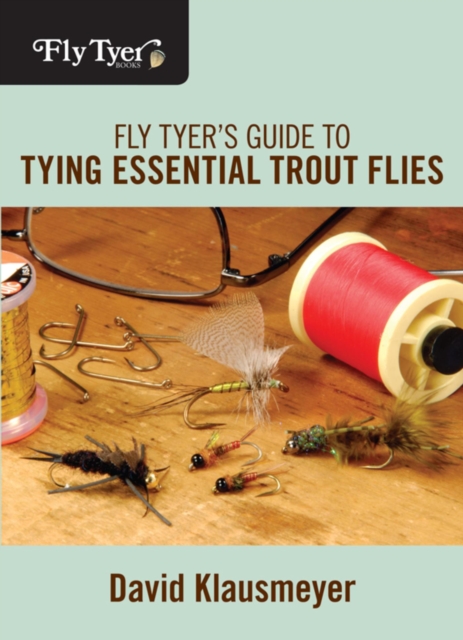
The inaugural title in an upcoming series of species-specific tying manuals produced in coordination with Fly Tyer magazine, Fly Tyer's Guide to Tying Essential Trout Flies provides the beginning and intermediate fly fisher with everything he or she needs to know in order to successfully tie the most successful, tried and true trout patterns.
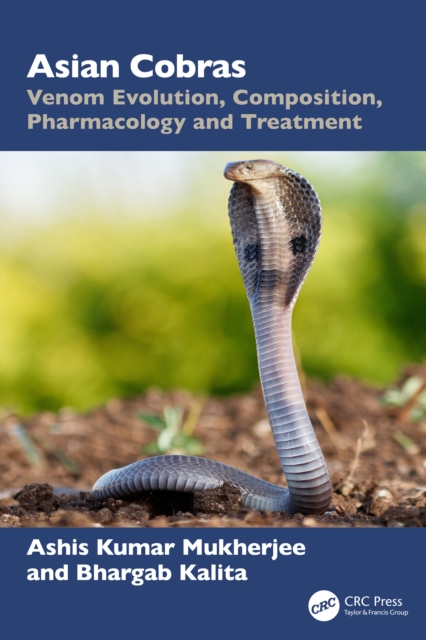
This book comprehensively explores Asian Cobras, covering their evolutionary history, geographic distribution, venom characteristics, pathophysiology of envenomation, and treatment strategies.