Variable Plants and Herbivores in Natural and Managed Systems examines individual, population, species, and community responses of herbivores to plant variation, with emphasis on insects, fungi, bacteria, and viruses.
Sperm Competition and the Evolution of Animal Mating Systems describes the role of sperm competition in selection on a range of attributes from gamete morphology to species mating systems.
Insect Pathology: An Advanced Treatise, Volume 2 reviews the significant progress that has been made in insect pathology, as well as the major research trends in the field.
The Physiology of Crustacea, Volume I: Metabolism and Growth deals with the physiological aspects of metabolism and growth in hundreds of species and higher taxa of Crustacea.
Insect Pathology: An Advanced Treatise, Volume 1 reviews some of the principal developments in insect pathology as well as the major research trends in the field.
Clinical Neuroendocrinology covers the clinical significance of the advances made in the understanding of relationships between the actions of neurotransmitters and the hypothalamic control of pituitary secretions.
Hormonal Steroids: Biochemistry, Pharmacology, and Therapeutics, Volume I focuses on various research on steroids and their biological and medical involvements.
Phagocytosis-Past and Future is a collection of contributions by investigators who met in the Province of Messina, Sicily, in October 1980 to discuss the functions of phagocytic leukocytes in the host-parasite relationship.
The Structure and Function of Nervous Tissue, Volume V: Structure III and Physiology III covers topics relating to nerve growth factor (NGF), neuroglia, central myelinated axon, adrenal medulla, and saccus vasculosus of the nervous system.
Mammalian Protein Metabolism, Volume IV is an 11-chapter text that describes the regulation of protein metabolism in mammals, both at the subcellular level and at the level of the intact organ and of the whole animal.
Changing Concepts of the Nervous System, presents the proceedings of the First Institute of Neurological Sciences Symposium in Neurobiology, held at the University of Pennsylvania in October 1980.
Extracellular Matrix Influences on Gene Expression emerged from the Second international Santa Catalina Island Colloquium that deals with the discussion on the advances in the molecular biology of extracellular matrices and the epigenetic influences on cell function.
Immune Recognition is a modified compilation of an experimental leukocyte culture conference about various aspects of macrophage and lymphocyte biology in relation to the eponymous central theme.
Isozymes, I: Molecular Structure contains manuscripts presented at the Third International Conference on isozymes convened in April 1974 at Yale University.
Cell Biology and Immunology of Leukocyte Function is a collection of papers presented at the 12th International Leukocyte Culture Conference, held in Beersheba, Israel on June 1978.
Isozymes, III: Developmental Biology contains manuscripts presented at the Third International Conference on isozymes convened in April 1974 at Yale University.
Strategies in Cold: Natural Torpidity and Thermogenesis is a collection of review papers presented at the Fifth International Symposium on Mammalian Hibernation, held at Jasper Park Lodge, Alberta, Canada on October 3-8, 1977.
Skeletal Research, An Experimental Approach discusses experimental studies on bone cell and tissue biochemistry, biomechanics, isolation, and methods of analysis.
Determinants of Neuronal Identity brings together studies of a wide range of vertebrate and invertebrate organisms that highlight the determinants of neuronal identity.
Biology of Memory investigates the biological basis of memory and covers topics ranging from short- and long-term post-perceptual memory to memory storage processes, memory microstructures, chemical transfer, and neuronal plasticity.
The Mechanism of Gated Calcium Transport Across Biological Membranes presents the proceedings of a symposium, which was an unprecedented attempt to bring together diverse groups working on various aspects of the problem of gated Ca2+ transport.
Circulatory System Dynamics reviews cardiovascular dynamics from the analytical viewpoint and indicates ways in which the accumulated knowledge can be expanded and applied to further enhance understanding of the normal mammalian circulation, to ascertain the nature of difficulties associated with disease, and to test the effect of treatment.
Prolactin Secretion: A Multidisciplinary Approach covers the proceedings of the 1982 symposium on the frontiers and perspective of prolactin secretion through a multidisciplinary approach, convened in Nabor Carrillo Hall of the Natural University of Mexico.
Steroids in Nonmammalian Vertebrates offers a critical assessment of each identification and/or quantification of a steroid in nonmammalian vertebrates, with particular reference to fishes, amphibians, reptiles, and birds.
Hearts and Heart-Like Organs, Volume 1: Comparative Anatomy and Development focuses on the complexities of the heart and heart-like organs in various species, from the invertebrates and the lower vertebrates to humans.
Metabolic Maps of Pesticides provides a summary of investigations and drawings of the metabolic patterns on pesticides that were collected with the aid of Chemical Abstracts Service (CAS) for the years 1970-1979.
Methods for Studying Mononuclear Phagocytes is a practical guide to the study of mononuclear phagocytes that brings together various well-established and useful methods for examining these cells.
Nucleosides, Nucleotides, and Their Biological Applications contains the proceedings of the Fifth International Round Table on Nucleosides, Nucleotides, and Their Biological Applications held at Research Triangle Park, North Carolina on October 20-22, 1982.
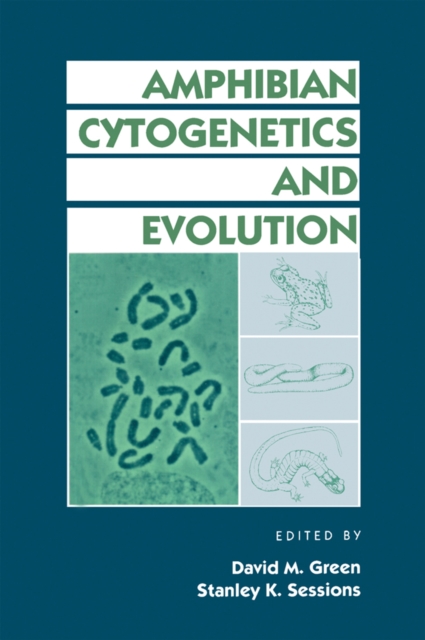
This book appears at a time when molecular cytogenetics is positioned to make a significant impact upon evolutionary studies, enabling problems of chromosomal structure and change to be critically assessed.
Physiological Responses of Marine Biota to Pollutants contains the proceedings of a symposium entitled "e;"e;Pollution and Physiology of Marine Organisms"e;"e; held in Connecticut in November 1975.