This detailed second edition presents a wide variety of marine invertebrate model systems, from cephalochordata to holothurians, along with novel experimental protocols for taking advantage of their unique properties.
This volume provides a compilation of methods that will aid researchers studying virology, immunology, and vaccinology of this devastating disease of swine.
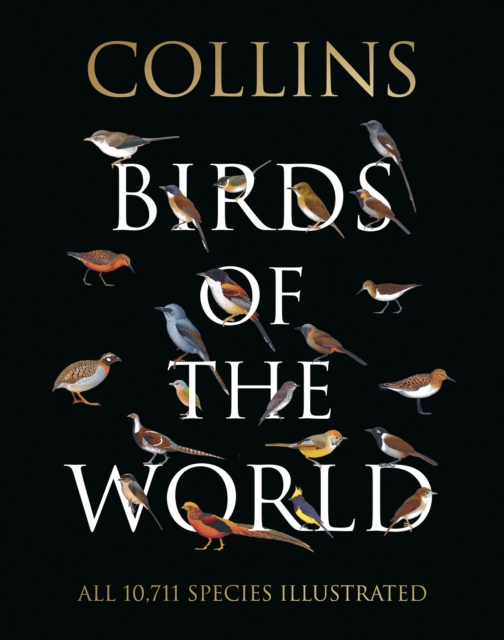
For the first time, the complete collection of the Collins Field Guides' incredibly detailed, accurate and beautiful bird paintings has been brought together in one comprehensive volume.
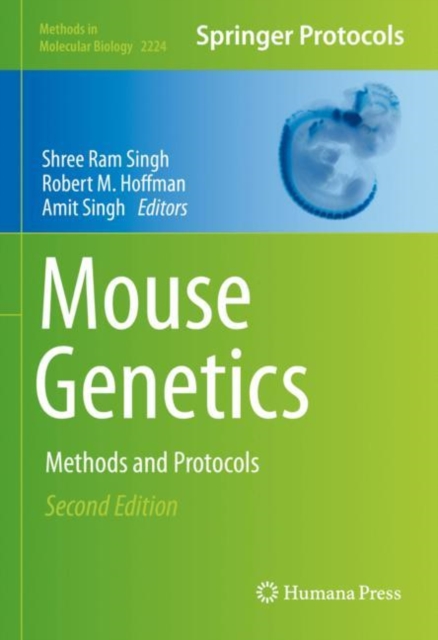
As the drug discovery process shifts more and more toward specifically targeting pathways and molecules, model systems continue to increase in importance, and the mouse, with its versatility, ease of use, and remarkable similarity to the human genome, has clearly risen to the forefront of animal model studies.
Grown exponentially by the genomic revolution, the use of the rat as a model of choice for physiological studies continues in popularity and at a much greater depth of understanding.
The avian influenza (AI) virus, which is the type A influenza virus adapted to an avian host, has been an important pathogen for the poultry industry worldwide for many years.
Cryopreservation and Freeze-Drying Protocols: Second Edition is a compilation of robust, reproducible techniques for the conservation of a wide range of biological materials.
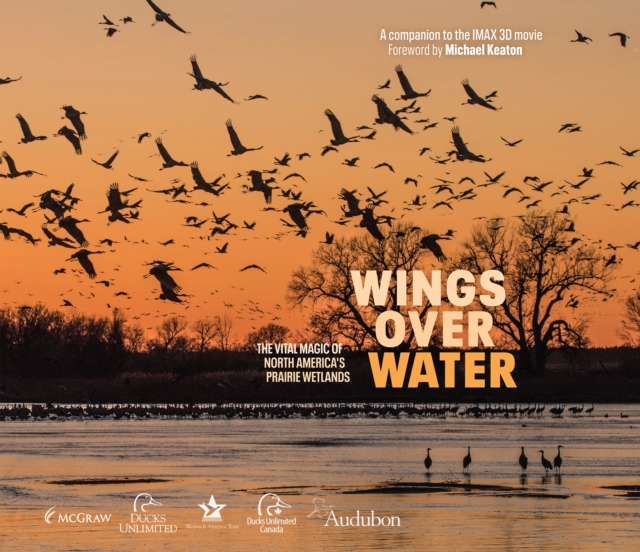
A beautiful, photo-rich companion book to the internationally distributed IMAX film of the same name, Wings Over Water celebrates the prairie wetlands of North America and the birds that live and breed in this critical habitat.
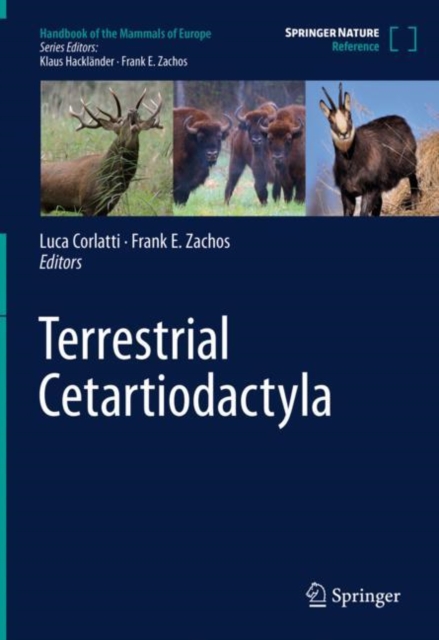
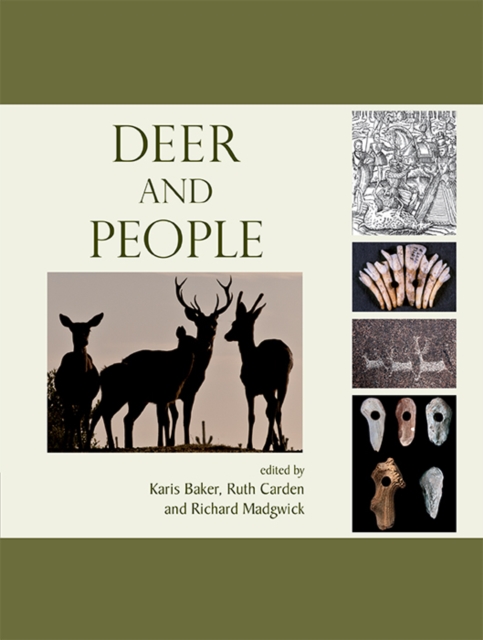
This volume provides comprehensive overviews of each terrestrial cetartiodactyl species' biology including palaeontology, physiology, genetics, reproduction and development, ecology, habitat and diet.
Channels and transporters are multi-functional proteins that mediate substrate transport and signal transmission and simultaneously act as regulators for other proteins and biosensors for environmental materials.
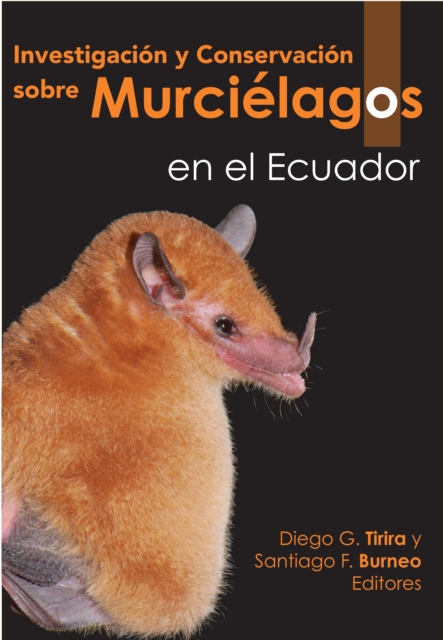
El libro trata sobre diversos temas relacionados con la historia del conocimiento del orden Chiroptera en Ecuador, aspectos ecológicos y geográficos de varias especies, con información relacionada con preferencias de hábitat, patrones de distribución, fragmentación, dieta y uso de refugios; además de análisis de modelamientos geográficos, artículos conceptuales sobre diversidad y revisiones taxonómicas detalladas.
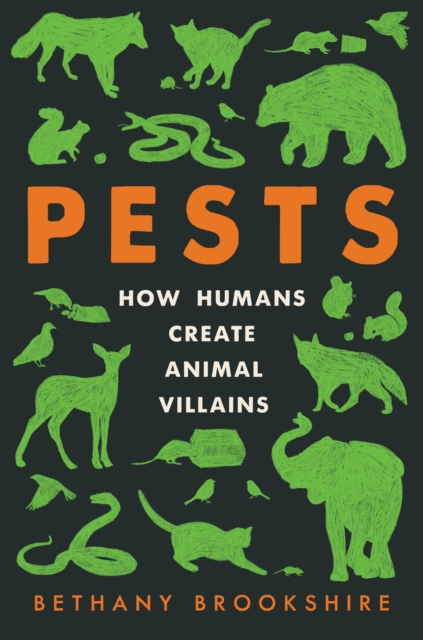
An engrossing and revealing study of why we deem certain animals pests and others notfrom cats to rats, elephants to pigeonsand what this tells us about our own perceptions, beliefs, and actions, as well as our place in the natural worldA squirrel in the garden.
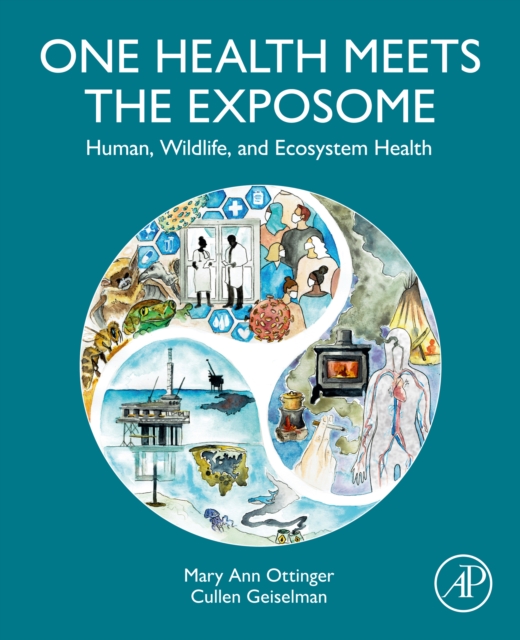
One Health Meets the Exposome: Human, Wildlife, and Ecosystem Health brings together the two powerful conceptual frameworks of One Health and the Exposome to comprehensively examine the myriad of biological, environmental, social, and cultural challenges impacting the interrelated health of humans, wildlife, and ecosystems.
Pests cause damage to the economic value of crops and stored products, while vectors are responsible for the transmission of disease-causing agents in human beings and livestock.
Pests cause damage to the economic value of crops and stored products, while vectors are responsible for the transmission of disease-causing agents in human beings and livestock.
This book introduces readers to a more comprehensive and empirically based approach to psychopathology than any other approach in use by psychological professionals today.
Shortlisted for the 2023 Highland Book Prize'Joyful and mindful, a powerful argument for being still and listening' Sunday TimesA book about birds, birdsong and the countryside they inhabit, from the critically acclaimed author of Raptor.
Ecostacking is a new concept and approach which aims to maximize the benefits of ecosystem service providers in cropping systems to help achieve the goal of long-term sustainable agriculture and food production.
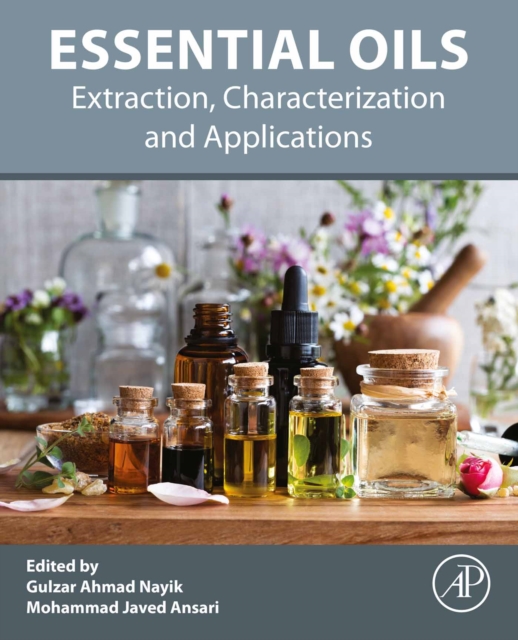
Essential Oils: Extraction, Characterization and Applications covers sixteen essential oils from different herbal and aromatic plants, including production, composition and extraction techniques such as distillation, chemistry and properties, characterization and applications.