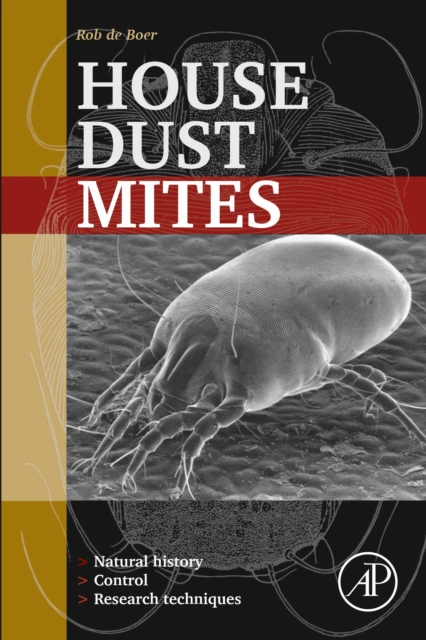
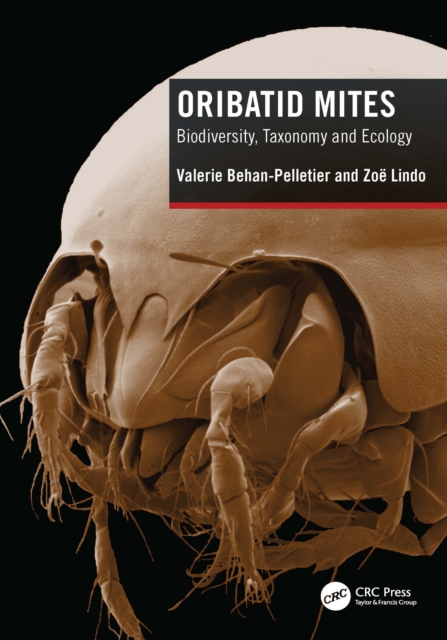
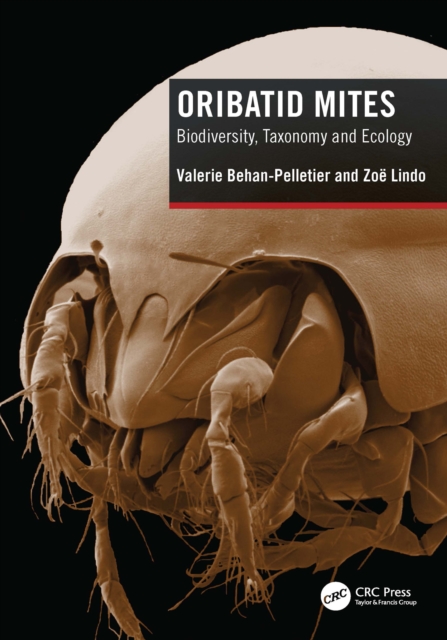
House Dust Mites: Natural History, Control, and Research Techniques presents a complete synthesis of biological information on dust mites from both an ecological and evolutionary perspective.
Members of the phylum Mollusca are among the most conspicuous invertebrates and include such familiar forms as clams, oysters, squids, octopods and snails.
Members of the phylum Mollusca are among the most conspicuous invertebrates and include such familiar forms as clams, oysters, squids, octopods and snails.
Members of the phylum Mollusca are among the most conspicuous invertebrates and include such familiar forms as clams, oysters, squids, octopods and snails.
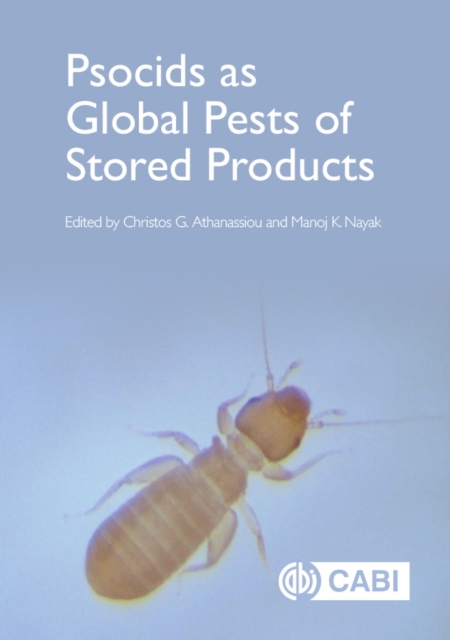
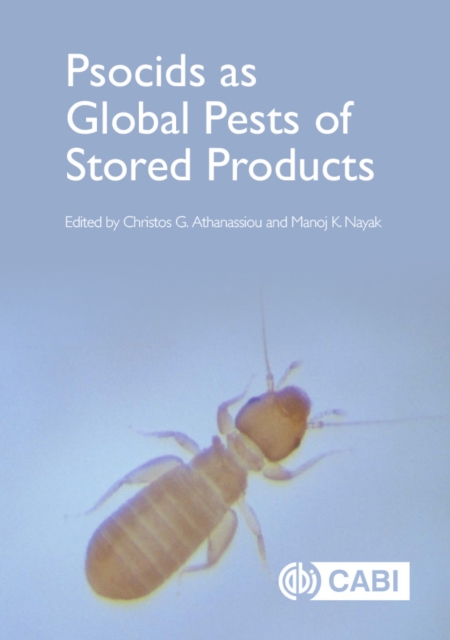
Psocids have become widespread pests of stored products during the last two decades, yet little was known about their biology and management until this change in their pest status.
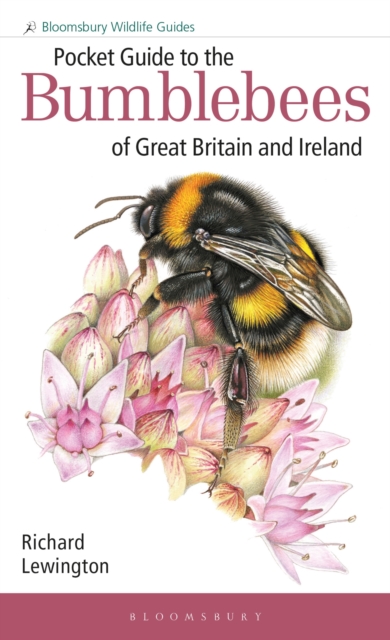
With contributions from Dave Goulson and Gill Perkins, founder and CEO of the Bumblebee Conservation Trust respectively, this illustrated pocket guide is the ideal companion for anyone interested in the naturally occurring species of bumblebee that can be found in the British Isles.
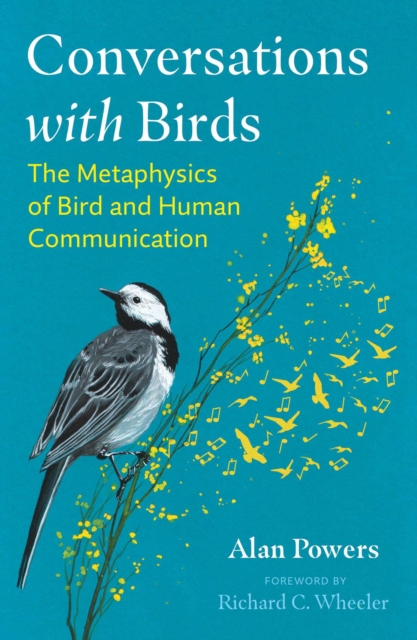
An exploration of communicating with birds and the lessons they can teach us Discusses specific birdtalk techniques and offers insights into many species Looks at the long-standing tradition of avitherapy throughout history and in literature and the arts Explains how song-talk with birds restores peace, calms anxiety, and enhances healthFor decades Alan Powers has studied bird vocalizations, developing the remarkable ability to imitate birds songs and get them to respond and even change tunes.
With The Right Dog For You you will be able to understand the personalities and needs of almost any breed to allow you to choose your perfect companion.
The field of primatology has expanded substantially in the last twenty years, particularly with regard to studies of primates in human-altered landscapes.
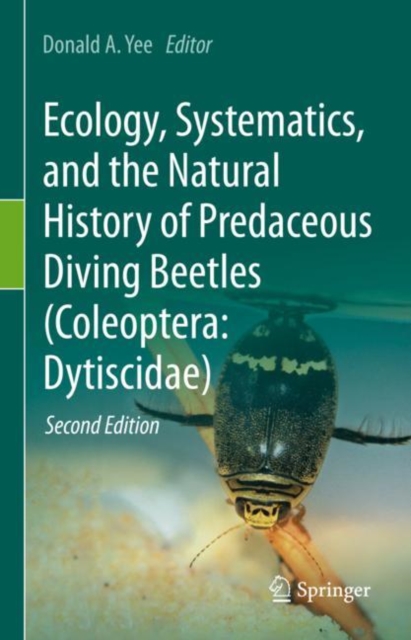
The 2nd edition of this comprehensive book provides one of the most complete overviews of the aquatic beetles in the family Dytiscidae, also known as predaceous diving beetles.
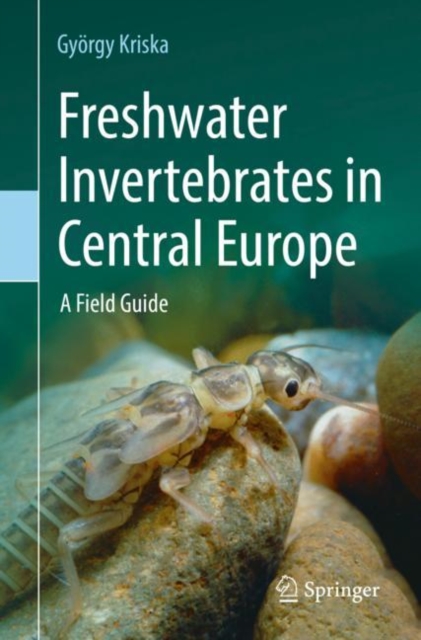
This up-to-date guidebook on freshwater invertebrates of the central European region is a richly illustrated work, providing an excellent source of systematic information on freshwater macroinvertebrates.
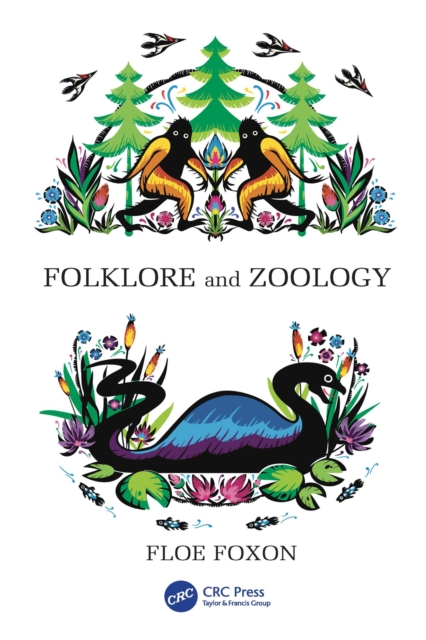
A scientific excursion into folklore, zoology, and cryptozoology, this text highlights a field, often called a pseudoscience, which seriously considers the possible existence of hidden or unknown animals not recognised in conventional zoology.
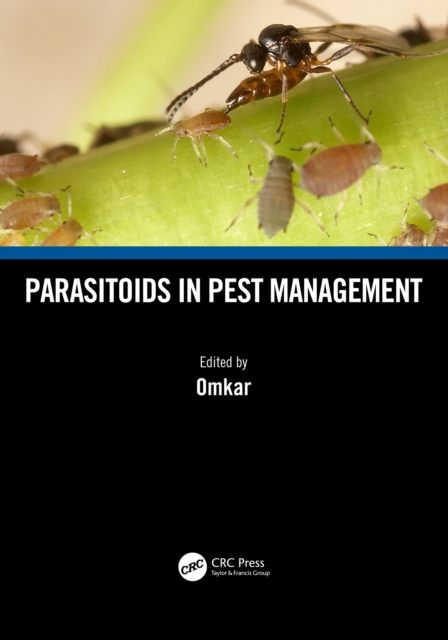
Pests cause economic damage to crops and stored products, while vectors are responsible for the transmission of disease-causing agents in human beings and livestock.
Psocids have become widespread pests of stored products during the last two decades, yet little was known about their biology and management until this change in their pest status.
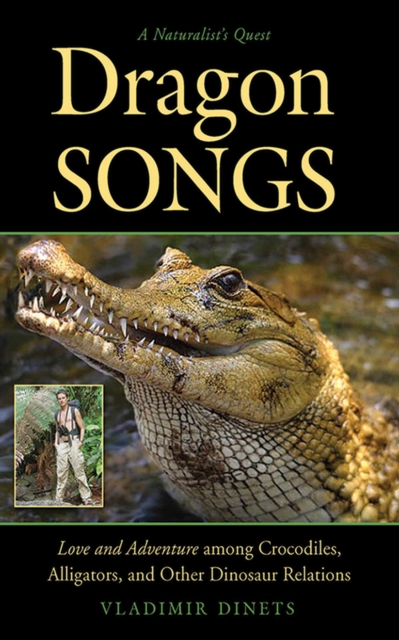
A born naturalist and a fearless traveler, Vladimir Dinets wrote travel guides, conducted field research, and lived a couple of lives before he was accepted into the PhD program in zoology at the University of Miami.
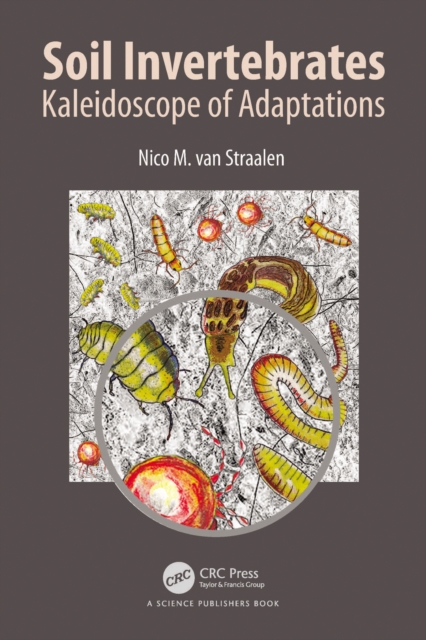
Soil invertebrates make up diverse communities living in soil pores and on the soil surface, digging burrows and tunnels, processing organic matter and interacting with microbes.
This book explores the place of birds in Roman myth and everyday life, focusing primarily on the transitional period of 100 BCE to 100 CE within the Italian peninsula.
This book explores the place of birds in Roman myth and everyday life, focusing primarily on the transitional period of 100 BCE to 100 CE within the Italian peninsula.
Coastal Habitat Conservation: New Perspectives and Sustainable Development of Biodiversity in the Anthropocene offers the latest research and approaches to biodiversity conservation in coastal areas.
Learn to maximize tilapia production in different areas around the worldTilapia is the second-most cultured fish species in the world, and its production is increasing each year.
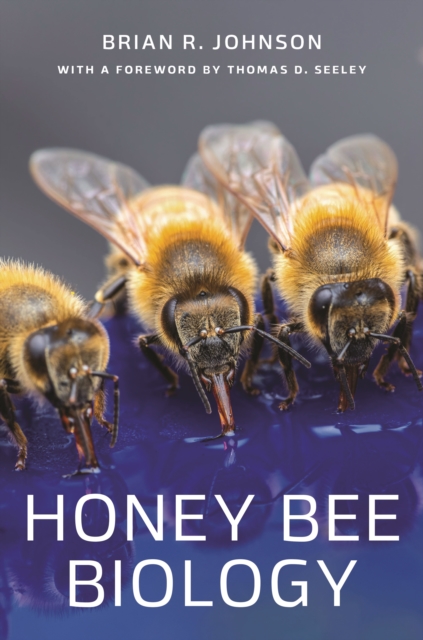
The most comprehensive and up-to-date general reference book on honey bee biologyHoney bees are marvelously charismatic organisms with a long history of interaction with humans.
Bellen, miauen und zirpen, brüllen, röhren und zwitschern, trompeten, wiehern und quaken: Das Sprachkonzert der Tiere ist ebenso ausgeklügelt wie vielfältig.
This book brings a unique perspective to animal movement studies because all studies come from African tropical environments where the great diversity, either biological and structurally (trees, shrubs, vines, epiphytes), present the animals with several options to fulfil their basic needs.
The extraordinary life story of the celebrated naturalist who transformed our understanding of evolutionEnchanted by Daphne is legendary ecologist Peter Grant's personal account of his remarkable life and career.